
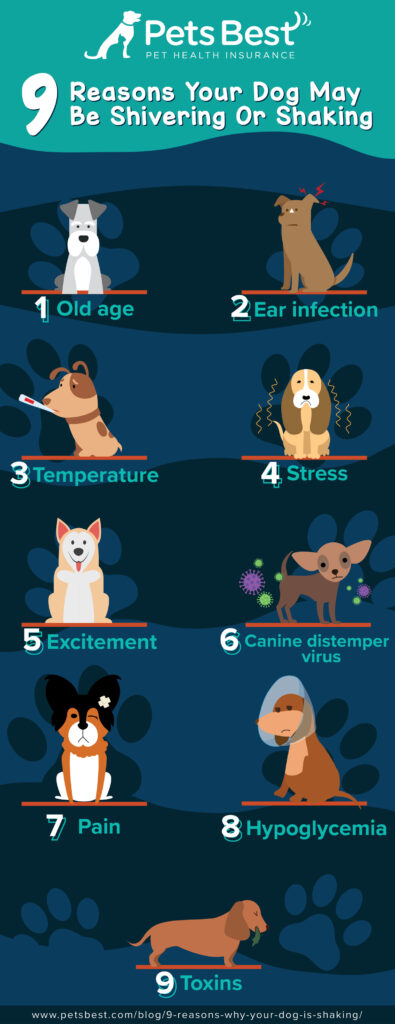
Are you concerned about your dog’s trembling? It’s not always a sign of fear or anxiety. There could be other reasons behind it, some of which can be serious if left untreated. In this article, we’ll explore the possible causes of shaking in dogs and provide guidance on what to do next.
When Is Your Dog Shaking Not Because of Fear?
While fear is a common reason for trembling in dogs, it’s not always the case. If your dog is also showing other symptoms like lack of appetite or lethargy, it’s essential to investigate further. These signs could indicate an underlying health issue that needs attention from a veterinarian.
Causes of Shaking in Dogs
Shaking in dogs can be caused by both physical and psychological factors. Some breeds are more prone to trembling due to their genetic makeup, such as the Pinscher or the Italian Small Leash Dog. However, it’s crucial to rule out other possible causes, especially if your dog is exhibiting additional symptoms.
Foods That Can Cause Trembling in Dogs
Certain foods can trigger shaking in dogs, including aversions like organochlorides, heavy metals, and carbamates. These substances can cause tremors, as well as seizures and convulsions. If you suspect that your dog’s trembling is related to food poisoning or an adverse reaction to a specific ingredient, consult with your veterinarian about the best course of action.
When to Seek Veterinary Attention
If your dog is trembling and showing other symptoms like vomiting or difficulty breathing, it’s essential to seek veterinary attention immediately. Your veterinarian will perform diagnostic tests to determine the underlying cause of your dog’s shaking.
What to Do If Your Dog Is Shaking Due to Fear or Anxiety
If you suspect that your dog is shaking due to fear or anxiety, there are several steps you can take to help calm them down:
1. **Provide a Safe Space**: Create a safe and comfortable space for your dog to relax in. This could be a crate or a quiet room where they feel secure and protected.
2. **Use Positive Reinforcement**: Reward your dog for calm behavior with treats and praise. This can help them associate being calm with positive outcomes.
3. **Desensitize Your Dog**: Gradually expose your dog to the source of their fear, starting from a distance or with a low level of intensity. For example, if your dog is afraid of loud noises, start by playing a recording at a low volume and gradually increase it over time.
4. **Consult a Veterinary Behaviorist**: If your dog’s shaking persists or worsens, consult a veterinary behaviorist for personalized guidance and support. They can help you develop a customized plan to address your dog’s specific needs.
Additional Causes of Shaking in Dogs
In addition to fear and anxiety, there are several other possible causes of shaking in dogs:
- **Medical Conditions**: Certain medical conditions like epilepsy, Parkinson’s disease, and vestibular syndrome can cause trembling.
- **Neurological Disorders**: Neurological disorders like seizures, tremors, and balance problems can also lead to shaking.
- **Physical Injuries**: Physical injuries such as broken bones or trauma can cause shaking in dogs.
How to Treat Your Shaking Dog
The treatment for a shaking dog will depend on the underlying cause of their trembling. Here are some common treatments:
- **Medication**: Medication may be prescribed to treat symptoms like anxiety, seizures, and tremors.
- **Behavioral Therapy**: Behavioral therapy can help address fear, anxiety, and other behavioral issues that may be contributing to your dog’s shaking.
- **Lifestyle Changes**: Making lifestyle changes such as providing a safe and comfortable environment, monitoring your dog’s health closely, and consulting with your veterinarian regularly can also help reduce the likelihood of your dog experiencing this symptom.
Conclusion
Shaking in dogs is not always a sign of fear or anxiety. While these are common causes, there are many other possible reasons behind trembling in dogs. By understanding the causes of shaking in dogs and taking proactive steps to address any underlying issues, you can help your furry friend feel more comfortable and secure. If you’re concerned about your dog’s shaking, consult with your veterinarian for personalized guidance and support.
Frequently Asked Questions
Here are some additional frequently asked questions related to shaking in dogs:
Q: Can I give my dog medication to stop trembling?
A: While over-the-counter medications may seem like an easy solution, they can have unintended consequences. Always consult with your veterinarian before administering any medication to your dog.
Q: How often should I check on my dog when it’s shaking?
A: Keep a close eye on your dog, especially if you suspect that their trembling is caused by a medical issue.
Q: Can I treat my dog at home for tremors?
A: While some minor cases of trembling may be managed at home, more severe cases require professional veterinary attention. Always consult with your veterinarian before attempting to treat your dog at home.
Q: How long does it take to see results when treating a shaking dog?
A: The time it takes to see results will depend on the underlying cause of your dog’s trembling. Be patient and work closely with your veterinarian to develop an effective treatment plan.
Q: Can I use calming aids for my shaking dog?
A: Calming aids like pheromone diffusers or calming supplements can be helpful in reducing anxiety and stress in dogs. However, always consult with your veterinarian before using any new products or treatments.
Q: How do I know if my dog is experiencing a life-threatening condition due to trembling?
A: If your dog’s trembling is accompanied by other symptoms like difficulty breathing, vomiting, or seizures, seek veterinary attention immediately.
Q: Can I prevent my dog from shaking in the future?
A: While some cases of trembling may be unavoidable, there are steps you can take to reduce the likelihood of your dog experiencing this symptom. Provide a safe and comfortable environment, monitor your dog’s health closely, and consult with your veterinarian regularly.
By understanding the causes of shaking in dogs and taking proactive steps to address any underlying issues, you can help your furry friend feel more comfortable and secure.


