
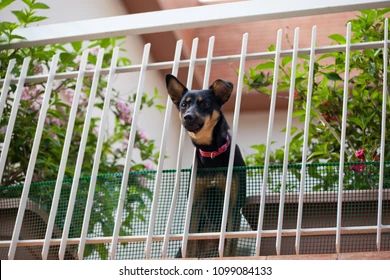
As we step out into the crisp morning air or sit down to enjoy a summer evening, it’s not uncommon to glance up at our neighbor’s balcony and spot an unwelcome guest – a dog. Whether abandoned or belonging to our neighbor, this canine visitor can raise more questions than answers. In this article, we’ll delve into the world of balcony dogs, exploring their motivations, laws surrounding them, and what to do if you encounter one.
Why Are Dogs on Balconies a Problem?
Dogs are not meant for balconies; they require shelter from the elements and space to roam. Leaving a dog unattended on a balcony can lead to discomfort, distress, or even danger. Imagine being confined to a small, exposed area with no escape from the scorching sun or freezing temperatures.
The Psychological Impact of Balcony Dogs
For many people, seeing a dog on their balcony can be unsettling and stressful. It’s natural to feel a sense of unease when confronted with an unexpected situation. The psychological impact of balcony dogs can vary depending on individual circumstances. Some may view it as an opportunity to bond with a lost pet, while others might see it as a nuisance.
What To Do If You See A Dog On Your Balcony
If you spot a dog on your balcony, ask yourself: “Why is this dog here?” Is it abandoned, belonging to someone else, or simply enjoying the view? Approach the situation with caution and curiosity. Observe the dog’s behavior, noting any signs of distress or discomfort.
Abandoned Dogs On Balconies: A Call For Action
If you suspect a dog has been left abandoned on your balcony, don’t hesitate to report it to the authorities. Document the incident, including photos and videos, to provide evidence in case the owner is identified. Abandoning domestic animals is a crime; it’s essential to take action and ensure the animal receives proper care.
The Law Surrounding Dogs On Balconies
Laws regarding balcony dogs are often unclear and inconsistent, making it challenging to determine whether an owner acted with good faith or intentionally placed their pet on the balcony. The ideal scenario: adequate space, shelter from the elements, and access to water.
Key Factors To Consider When Evaluating A Dog’s Balcony Situation
When assessing a dog’s situation on a balcony:
- Evaluate the animal’s condition: Is it healthy, active, or showing signs of distress?
- Assess the available space: Can the dog move freely, find shelter, and access water?
- Consider the time of year and weather conditions: Extreme temperatures can be detrimental to a dog’s well-being.
A Mistreated Dog On The Balcony: Not A Crime, But Still A Concern
Temporary balcony stays do not necessarily constitute an official case of mistreatment. However, if you suspect an animal is suffering due to harsh treatment or confinement, take action and seek help from authorities, veterinarians, and firefighters.
Nocturnal Canine Visitors: Barking And Disturbance
Dogs on balconies at night often bark at every noise they hear, potentially disrupting the peace. Be considerate of your neighbors and take steps to minimize disturbance, especially during warmer months when outdoor activities may be more appealing.
Creating A Safe Balcony Environment
To prevent balcony dogs from getting stuck, follow these simple tips:
- Regularly clean your balcony to remove debris and ensure a safe environment for both humans and animals.
- Install a sturdy railing or barrier to prevent pets from escaping.
- Consider installing a pet gate or screen door to keep unwanted visitors out.
The Role Of Neighbors In Balcony Dog Conundrums
Neighbors can play a crucial role in addressing balcony dog conundrums. By working together, we can create a more compassionate and responsible community for all animals. Here are some ways neighbors can contribute:
- Offer support to pet owners who may be struggling to care for their dogs.
- Report suspicious activity or abandoned pets to the authorities.
- Share knowledge and resources with others to improve our collective understanding of balcony dog issues.
Conclusion
Balcony dogs can be a complex issue, but by working together and understanding their motivations, laws surrounding them, and what to do if you encounter one, we can create a more compassionate and responsible environment for all animals. By following these guidelines and being mindful of the needs and well-being of our furry friends, we can build stronger, more harmonious communities.
Frequently Asked Questions
- What should I do if I see a dog on my balcony?
Approach the situation with caution and curiosity. Observe the dog’s behavior, noting any signs of distress or discomfort. - Can I leave a dog unattended on my balcony?
No, dogs require shelter from the elements and space to roam. Leaving them unattended can lead to discomfort, distress, or even danger. - Is it acceptable to keep a dog on a balcony in extreme temperatures?
No, it’s essential to provide adequate shelter and access to water, especially during hot summer months. - Can I report a dog on my balcony as abandoned if I’m not sure about its ownership?
Yes, it’s always better to err on the side of caution and report any concerns to the authorities. - What should I do if I suspect a dog is mistreated on my balcony?
Take action by contacting authorities, veterinarians, and firefighters for assistance and support. - Can dogs on balconies be noisy at night?
Yes, they often bark at every noise they hear, potentially disrupting the peace. Be considerate of your neighbors and take steps to minimize disturbance. - How can I prevent dogs from getting stuck on my balcony in the first place?
Regularly clean your balcony to remove debris and ensure a safe environment for both humans and animals. - Are there any specific laws or regulations regarding balcony dogs in my area?
Research local laws and regulations regarding animal care and welfare to better understand what’s expected of you as a responsible pet owner or neighbor.


