
As a dog owner, have you ever noticed your furry friend licking its paws excessively? While this behavior may seem harmless at first glance, it can be a sign of an underlying issue that requires attention. In this article, we’ll delve into the reasons behind this habit and explore ways to address it.
What’s Behind the Paw-Licking Habit?
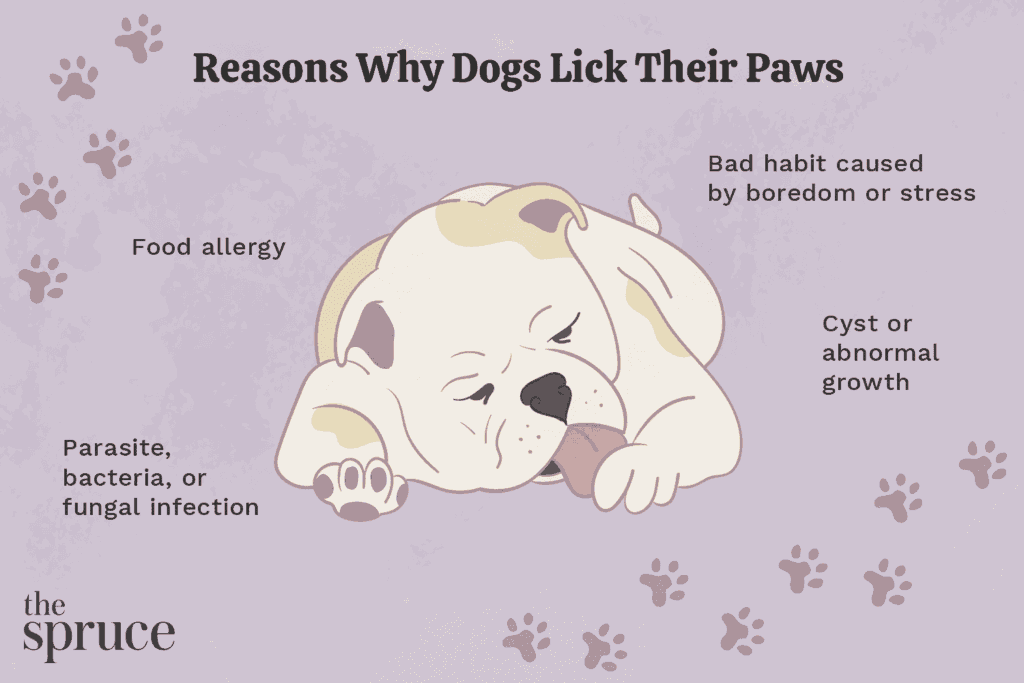
Licking its paws is a natural behavior for dogs, but when done excessively, it can lead to skin irritations, infections, and other health problems. To understand why your dog might be engaging in this behavior, let’s consider some possible causes:
- Skin Irritations: Allergies, contact dermatitis, or other skin conditions can cause discomfort and lead to excessive licking.
- Parasites: Fleas, ticks, or mites can infest a dog’s paws, causing itching and prompting them to lick the area.
- Paw Problems: Injury, cuts, or irritation on the paw pads can trigger this behavior.
Distinguishing Between Normal and Abnormal Licking Behavior
While some licking is normal, excessive or persistent licking can be a sign of an underlying issue. If you’re unsure whether your dog’s paw-licking habit is normal or not, consider the following:
- Frequency: How often does your dog lick its paws? If it’s a rare occurrence, it might be no cause for concern.
- Intensity: Is the licking intense and persistent, or is it more of a gentle, occasional behavior?
- Other Signs: Are there any other signs of discomfort, such as redness, swelling, or discharge?
Addressing Excessive Paw-Licking Behavior
If you’ve determined that your dog’s paw-licking habit is excessive and causing problems, it’s essential to address the issue promptly. Here are some steps you can take:
- Consult a Veterinarian: Schedule an appointment with your veterinarian to rule out any underlying medical issues.
- Identify the Cause: Work with your veterinarian to determine the cause of your dog’s paw-licking behavior.
- Develop a Treatment Plan: Based on the identified cause, create a treatment plan that may include medication, changes in diet or environment, or other interventions.
Additional Tips for Managing Paw-Licking Behavior
While addressing the underlying cause is crucial, there are also some steps you can take to manage your dog’s paw-licking behavior:
- Keep an Eye on Your Dog: Monitor your dog’s licking behavior and report any changes or concerns to your veterinarian.
- Provide a Healthy Environment: Ensure your dog has access to clean water, food, and a comfortable living space.
- Offer Mental Stimulation: Engage your dog in activities that challenge their mind and provide mental stimulation.
Prevention Strategies
Preventing excessive paw-licking behavior requires a combination of good hygiene practices, environmental modifications, and behavioral management techniques. Here are some strategies to help you prevent this habit:
- Keep Your Dog’s Living Space Clean: Regularly clean your dog’s living space, including their bed, toys, and food areas.
- Trim Excess Hair: Keep your dog’s hair trimmed around the paws to reduce irritation and itching.
- Provide Adequate Exercise: Ensure your dog gets regular exercise to reduce stress and boredom that may contribute to excessive paw-licking.
- Use Positive Reinforcement Training: Reward your dog for good behavior, such as ignoring their paws or showing no interest in licking them.
Conclusion
Excessive paw-licking behavior can be a sign of an underlying issue, but with the right approach, you can address it and help your dog feel more comfortable. By consulting a veterinarian, identifying the cause, developing a treatment plan, and implementing additional management strategies, you can help your furry friend overcome this habit.
Frequently Asked Questions
Q: What is the difference between normal and abnormal paw-licking behavior in dogs?
A: Normal paw-licking behavior involves occasional licking of the paws to clean them. Abnormal behavior, on the other hand, involves excessive or persistent licking that can lead to skin irritations, infections, or other health problems.
Q: How often should I check my dog’s paw-licking behavior?
A: It’s essential to monitor your dog’s paw-licking behavior regularly, especially if you suspect it might be abnormal. Keep an eye out for changes in frequency, intensity, or any signs of discomfort.
Q: Can I treat my dog’s paw-licking behavior at home?
A: While some management strategies can be implemented at home, such as keeping your dog’s living space clean and providing mental stimulation, it’s crucial to consult a veterinarian to rule out underlying medical issues. Your veterinarian can help you develop an effective treatment plan.
Q: How long does it take for my dog to overcome paw-licking behavior?
A: The time it takes for your dog to overcome excessive paw-licking behavior varies depending on the underlying cause and effectiveness of the treatment plan. Be patient, as overcoming this habit can take time and effort.
Q: Can I use medication to treat my dog’s paw-licking behavior?
A: Medication may be prescribed by a veterinarian to address underlying skin conditions or allergies causing excessive paw-licking. However, always follow the recommended dosage and treatment plan under the guidance of a veterinarian.
Q: Are there any natural remedies that can help treat my dog’s paw-licking behavior?
A: While some natural remedies, such as oatmeal baths or anti-inflammatory supplements, may be beneficial in managing symptoms, it’s essential to consult with a veterinarian before administering any new treatments. Your veterinarian can recommend safe and effective solutions.
Q: Can I prevent excessive paw-licking behavior in my dog?
A: By ensuring your dog has access to clean water, food, and a comfortable living space, providing mental stimulation, and keeping an eye on their licking behavior, you can help reduce the likelihood of excessive paw-licking. Regular veterinary check-ups and addressing any underlying issues promptly can also prevent this behavior from becoming a problem.
Additional Resources
If you’re struggling to manage your dog’s paw-licking behavior or need additional guidance, consider consulting with the following resources:
- Your veterinarian: Schedule regular check-ups to monitor your dog’s health and address any concerns.
- Animal behaviorists: Consult with certified animal behaviorists for personalized advice on managing your dog’s behavior.
- Dog training classes: Enroll in dog training classes to learn effective behavioral management techniques.
By understanding the reasons behind paw-licking behavior, identifying potential causes, and implementing effective management strategies, you can help your furry friend feel more comfortable and reduce the risk of skin irritations and other health problems.


