
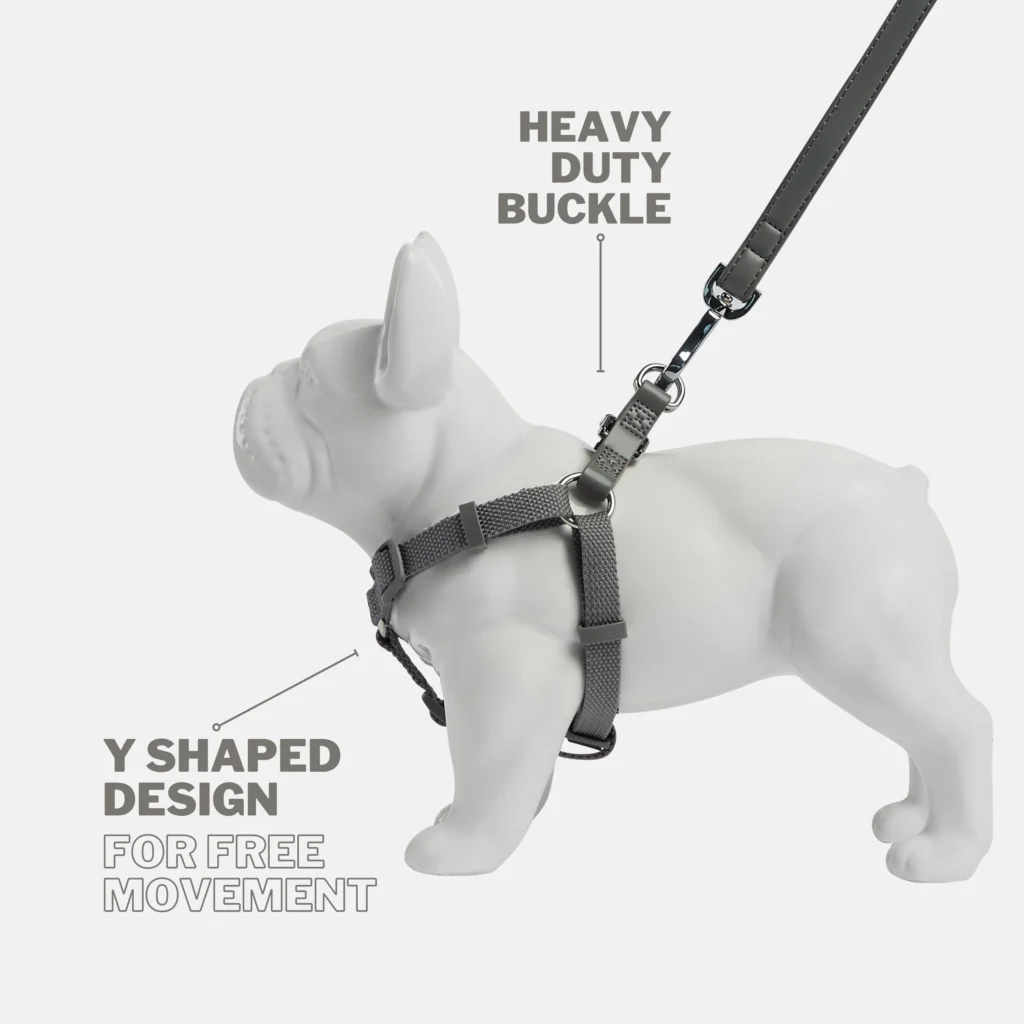
As a responsible dog owner, you want to ensure your furry friend’s safety while on walks. One essential accessory is a dog harness, which can be a game-changer for both you and your canine companion. In this article, we’ll delve into the world of dog harnesses, exploring their benefits, types, and how to choose the right one for your dog.
The Importance of Dog Harnesses
Dog harnesses have become an indispensable part of many dog owners’ daily routines. Unlike collars, which can constrict a dog’s neck or lead to choking hazards, harnesses distribute the force evenly across their chest and shoulders. This makes them perfect for dogs that pull on the leash or engage in energetic play.
Not only do harnesses ensure your dog’s safety but also reduce the risk of discomfort and anxiety caused by tight collars. Moreover, they allow dogs to breathe freely and move comfortably while walking, making it easier for both you and your dog to enjoy outdoor activities together.
Types of Dog Harnesses
When it comes to choosing a dog harness, there are several types to consider:
- Scapular Harnesses: Designed for larger breeds, these harnesses fit snugly across the scapulae (shoulder blades) and provide excellent support.
- H-Back Harnesses: Featuring an H-shaped design, these harnesses distribute the force of the leash across the dog’s chest and shoulders, making them ideal for medium to large breeds.
- Buckled Harnesses: Simple and easy to use, these harnesses feature a buckle that secures the leash to the dog’s body.
Factors to Consider When Choosing a Dog Harness
When selecting a dog harness, consider the following factors:
- Size: Ensure the harness is the correct size for your dog, taking into account their weight, length, and breed.
- Material: Choose a durable material that can withstand regular use and cleaning.
- Adjustability: Look for a harness with adjustable straps to ensure a secure and comfortable fit.
- Comfort: Consider the comfort level of the harness, ensuring it won’t cause any skin irritation or discomfort.
Tips for Putting on a Dog Harness
Putting on a dog harness can be a daunting task, especially if your dog is not accustomed to wearing one. Here are some tips to make the process smoother:
- Start with short sessions: Begin by introducing the harness gradually, allowing your dog to become comfortable with its presence.
- Use positive reinforcement: Reward your dog with treats and praise for calm behavior while wearing the harness.
- Practice regularly: Consistency is key when training your dog to wear a harness.
Common Mistakes to Avoid
To ensure a safe and successful experience, avoid the following common mistakes:
- Forcing your dog to wear a harness if they’re uncomfortable or resistant.
- Using a harness that’s too small or too large for your dog.
- Failing to clean and maintain the harness regularly.
Conclusion
A dog harness is an essential accessory for any responsible dog owner. By understanding the benefits, types, and factors to consider when choosing a harness, you can ensure your furry friend’s safety and comfort while on walks. Remember to start with short sessions, use positive reinforcement, and practice regularly to make the process smoother.
FAQs
- How often should I clean my dog’s harness?
- Regular cleaning helps maintain hygiene and prevent bacterial growth.
- Can I use a dog harness for puppies?
- Puppies may require smaller sizes or specialized harnesses designed specifically for their age and breed.
- Are there any health risks associated with using a dog harness?
- Harnesses can cause skin irritation if not properly fitted or made from poor-quality materials.
- Can I use a dog harness for dogs with neck injuries?
- Consult with your veterinarian before introducing a harness, especially if your dog has pre-existing neck injuries.
- How do I choose the right size for my dog’s harness?
- Measure your dog’s girth and chest circumference to determine the correct size.
By following these guidelines and tips, you can ensure a safe and comfortable experience for both you and your furry friend while enjoying outdoor activities together.


