
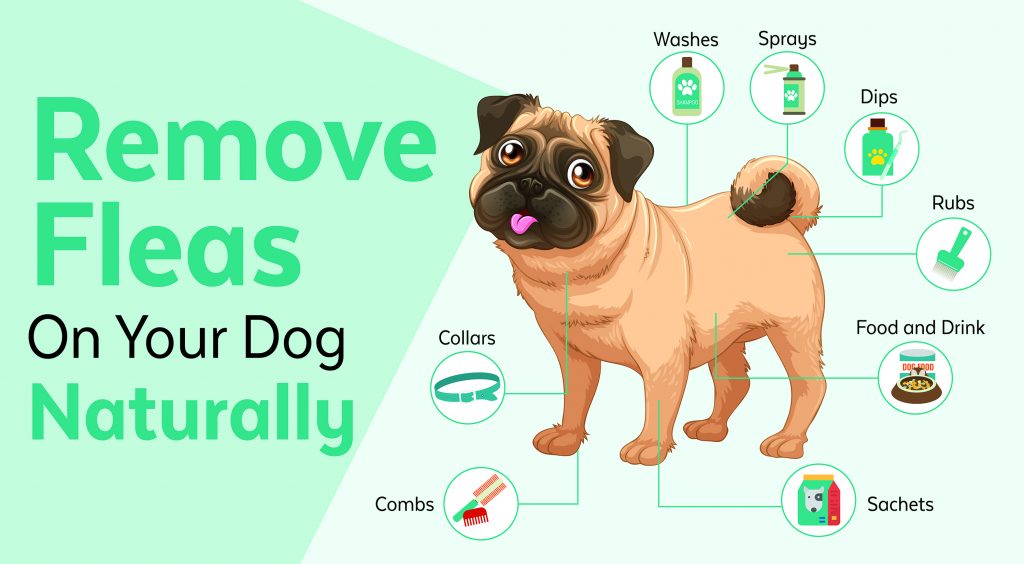
As the weather warms up, it’s essential to be aware of the potential for flea infestations in our furry friends. Fleas are common parasites that can cause discomfort, skin irritations, and even transmit diseases to humans and animals alike. In this article, we’ll delve into the world of fleas, exploring their characteristics, symptoms, prevention methods, and treatment options.
Fleas 101: What You Need to Know
Fleas are scientifically known as Ctenocephalides canis, and they primarily target dogs, but can also infest cats and occasionally humans. These pesky insects feed on the blood of their hosts, causing discomfort, allergic reactions, and potentially leading to secondary skin infections.
Recognizing the Signs of Flea Infestation
To identify a flea infestation, look out for these common symptoms:
- Pruritus (itching) caused by flea bites
- Redness and irritation around the affected areas
- Excessive grooming or licking
- Hair loss due to excessive scratching
- Flea dirt (small, dark specks) in your dog’s stool or on their fur
Common Areas Affected by Fleas
Fleas tend to target specific areas of the body, including:
- The lumbosacral region (lower back)
- Inner thighs
- Abdomen
- Base of the tail
- Collar and neck area
How to Prevent Flea Infestations
Prevention is key when it comes to flea control. Here are some effective methods to keep those unwanted critters at bay:
- Regular grooming and inspection of your dog’s coat
- Use a flea preventative medication or treatment on your dog, such as spot-on treatments or shampoos
- Wash your dog’s bedding regularly
- Vacuum frequently, especially in areas where your dog spends most of their time
Natural Alternatives to Flea Prevention
While chemical-based products are effective, some pet owners prefer natural alternatives for flea prevention. Consider these options:
- Flea-repelling essential oils (e.g., tea tree oil, lavender oil)
- Dietary supplements containing omega-3 fatty acids and other nutrients
- Flea-preventing herbs (e.g., citronella, lemongrass)
Treating Flea Infestations
If your dog is already infested with fleas, it’s essential to treat them promptly. Here are some common treatment options:
- Topical treatments (spot-on medications)
- Oral medications
- Shampoos and conditioners specifically designed for flea control
- Home remedies (e.g., baking soda baths, apple cider vinegar sprays)
Preventing Flea Allergies
Flea allergies can cause significant discomfort and distress in dogs. To prevent flea allergy dermatitis:
- Regularly inspect your dog’s coat for signs of fleas or flea dirt
- Use a flea preventative medication on your dog
- Consider using a flea-repelling spray or shampoo
The Risks of Flea Infestations
Flea infestations can have serious consequences, including:
- Skin irritation and secondary infections
- Anemia due to excessive blood loss
- Allergic reactions and hypersensitivity
- Transmission of diseases (e.g., tapeworms)
By understanding the risks and taking proactive steps, you can help protect your furry friend from flea infestations.
Frequently Asked Questions
- Can humans get fleas from dogs?
Yes, humans can get fleas from dogs, especially if they’re bitten by an infected animal. - How often should I wash my dog’s bedding?
Regular washing of your dog’s bedding can help reduce the risk of flea infestations. - What are some effective natural alternatives to flea prevention?
Some natural alternatives include flea-repelling essential oils, dietary supplements containing omega-3 fatty acids, and flea-preventing herbs like citronella and lemongrass. - Can I use shampoo to treat a flea infestation?
While shampoos can help reduce the number of fleas on your dog’s coat, they may not be enough to completely eliminate an infestation. - How do I prevent flea allergies in my dog?
Regularly inspecting your dog’s coat for signs of fleas or flea dirt, using a flea preventative medication, and considering flea-repelling sprays or shampoos can help prevent flea allergy dermatitis.
Common Causes of Flea Infestations
While fleas can infest any dog at any time, some factors increase the risk of an infestation:
- Exposure to other animals that carry fleas
- Presence of pets in close proximity (e.g., cats, rabbits)
- Poor hygiene and grooming practices
- Climate and humidity levels
How Fleas Spread
Fleas can spread through various means, including:
- Direct contact with an infected animal
- Indirect contact with flea eggs or larvae
- Contaminated environments (e.g., carpets, furniture)
Preventing Re-Infestation
To prevent re-infestation after treatment, follow these steps:
- Regularly inspect your dog’s coat for signs of fleas or flea dirt
- Use a flea preventative medication on your dog
- Maintain good hygiene and grooming practices
- Wash your dog’s bedding regularly
Conclusion
Fleas are common parasites that can cause significant discomfort and distress in dogs. By understanding their characteristics, recognizing the signs of infestation, and taking proactive steps to prevent and treat infestations, you can help protect your furry friend from these pesky critters. Remember, prevention is key, so stay vigilant and take action if you suspect a flea infestation.
Additional Tips
- Keep your home clean and free of clutter, which can help reduce the number of fleas present.
- Consider using a dehumidifier to make it more difficult for fleas to survive in your environment.
- If you have multiple pets, consider using a flea preventative medication that targets all members of the household.
By following these tips and being aware of the risks associated with flea infestations, you can help keep your furry friend healthy and happy.


