
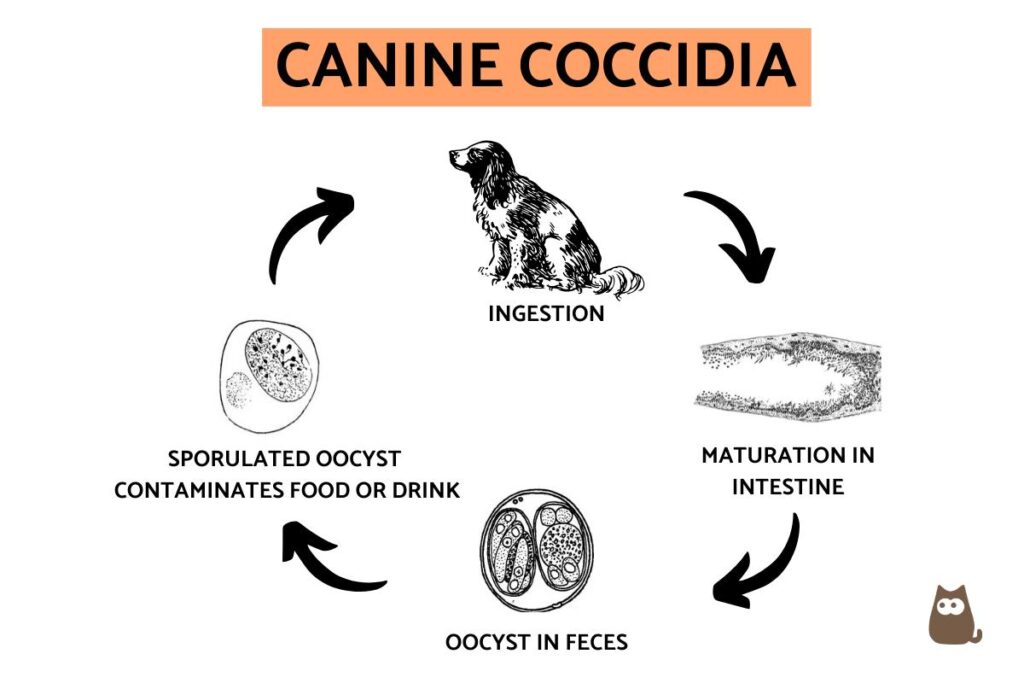
As we delve into the world of canine health, it’s essential to understand one of the most common parasitic infections affecting our beloved pets – coccidiosis. While it primarily affects dogs and cats, other animals can also be affected in a less severe manner. In this article, we’ll explore the causes, symptoms, treatment options, and prevention strategies for coccidiosis in dogs.
What is Coccidiosis?
Coccidiosis is a parasitic infection caused by single-celled organisms called coccidia. These microscopic parasites enter the intestines of infected animals through contaminated feces or airborne routes. Once inside, they form colonies and can infect other animals through direct contact with fecal matter.
Types of Coccidiosis
There are two main types of coccidiosis: subclinical and clinical. The subclinical form is less severe, where the animal may not show symptoms but can still transmit the infection to others. The clinical form, on the other hand, presents more obvious symptoms, such as diarrhea, bloody stools, and lethargy.
Causes of Coccidiosis in Dogs
Coccidiosis enters a dog’s body through various routes:
- Ingestion of contaminated feces from infected animals
- Airborne transmission from infected animals
- Direct contact with fecal matter from infected animals
In addition to these primary causes, other factors can contribute to the development of coccidiosis in dogs. These include:
- Poor sanitation and hygiene practices
- Inadequate veterinary care
- Malnutrition or gastrointestinal disorders
- Exposure to contaminated water sources or food
Symptoms of Coccidiosis in Dogs
Common symptoms of coccidiosis in dogs include:
- Diarrhea: This is one of the most common symptoms, and it can range from mild to severe.
- Bloody stools: In some cases, the diarrhea may be accompanied by bloody stools.
- Lethargy: Infected dogs may become lethargic or listless due to the infection.
- Loss of appetite: Dogs with coccidiosis may lose their appetite, leading to weight loss and other complications.
- Weight loss: Chronic diarrhea can lead to significant weight loss in affected dogs.
- Pale gums: In severe cases, infected dogs may develop pale gums due to the infection.
- Vomiting: Some dogs with coccidiosis may experience vomiting, which can be accompanied by bloody stools or diarrhea.
Prevention Strategies for Coccidiosis in Dogs
To prevent coccidiosis in dogs, follow these steps:
- Maintain a clean living environment to reduce the risk of contamination
- Regularly inspect your dog’s feces and remove any signs of infection
- Provide a balanced diet to support your dog’s overall health
- Schedule regular veterinary check-ups for fecal exams
- Ensure proper sanitation and hygiene practices in your home
- Avoid exposure to contaminated water sources or food
- Keep your dog up-to-date on vaccinations and parasite control measures
Treatment Options for Coccidiosis in Dogs
The most effective treatment for coccidiosis is prevention. However, if your dog has already been infected, the following treatments can be used:
- Medications to kill the parasites and prevent further infection
- Dietary changes to support your dog’s digestive health
- Supportive care, such as fluid therapy or nutritional supplements, in severe cases
Conclusion
Coccidiosis is a common parasitic infection affecting dogs worldwide. By understanding its causes, symptoms, treatment options, and prevention strategies, you can help protect your furry friend from this potentially life-threatening disease.
FAQs: Coccidiosis in Dogs
- Q: How do I prevent coccidiosis in my dog?
A: Maintain a clean living environment, regularly inspect your dog’s feces, provide a balanced diet, and schedule regular veterinary check-ups. - Q: Can I treat coccidiosis in dogs at home?
A: No, it is best to consult with a veterinarian for proper diagnosis and treatment. They can prescribe medications to kill the parasites and prevent further infection. - Q: Are all types of coccidia dangerous to humans?
A: Only certain species of coccidia can infect humans. It’s essential to take precautions when handling fecal matter or contaminated surfaces. - Q: How long does it take for a dog to recover from coccidiosis?
A: Recovery time varies depending on the severity of the infection and the effectiveness of treatment. In general, dogs can start showing improvement within a few days of treatment. - Q: Can I give my dog over-the-counter medication for coccidiosis?
A: No, it is best to consult with a veterinarian before administering any medication. They can prescribe the most effective treatment option for your dog’s specific needs. -
Q: Are there any natural remedies that can help prevent or treat coccidiosis in dogs?
A: While some natural remedies may be beneficial, they should not replace veterinary care. Always consult with a veterinarian before using alternative treatments. -
Q: Can I get infected with coccidiosis if I handle my dog’s feces?
A: Yes, it is possible to become infected through contact with contaminated feces or surfaces. Practice good hygiene and take precautions when handling your dog’s waste. -
Q: How often should I clean my dog’s living environment?
A: Regularly inspect your dog’s feces and remove any signs of infection. Clean the area thoroughly with a disinfectant to prevent further contamination. -
Q: Can I use flea preventatives to treat coccidiosis in dogs?
A: No, flea preventatives are not effective against coccidiosis. Consult with your veterinarian for proper treatment options. - Q: Are there any genetic factors that can increase my dog’s risk of developing coccidiosis?
A: Yes, some breeds are more prone to coccidiosis due to their digestive system or immune response. Consult with your veterinarian if you have concerns about your dog’s breed or health status.
By understanding the causes, symptoms, treatment options, and prevention strategies for coccidiosis in dogs, you can help protect your furry friend from this potentially life-threatening disease. Always consult with a veterinarian for proper diagnosis and treatment.


