
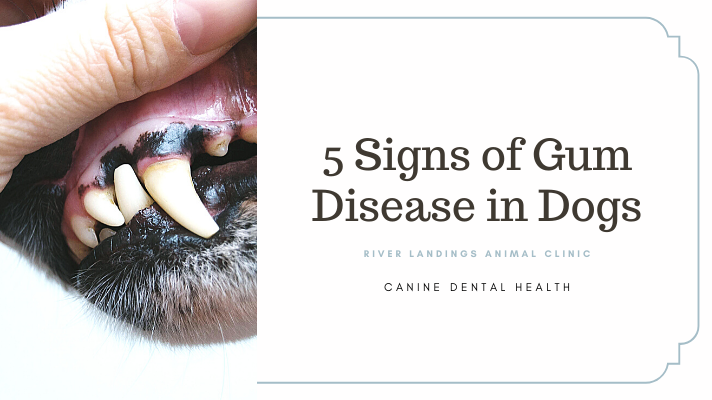
As a dog owner, it’s natural to want the best for your furry friend. When it comes to oral health, there are many factors that can impact your dog’s overall well-being. One concerning symptom is black gums, which can be a sign of underlying issues. In this article, we’ll delve into the causes, symptoms, and treatment options for black gums in dogs.
The Importance of Oral Health
Oral health is an essential aspect of your dog’s overall health. Gingivitis, a common condition that affects dogs, can lead to more serious issues if left untreated. By monitoring your dog’s oral health closely and intervening promptly when necessary, you can help prevent these problems from arising.
Causes of Black Gums in Dogs
Black gums can be caused by various factors, including:
- Gingival Hyperpigmentation: This is the most common cause of black gums in dogs. Hyperpigmentation occurs when there’s an excessive production of melanin, responsible for skin and gum coloration.
- Gingivitis: Gingivitis is a common condition that can cause red, swollen, or bleeding gums. In some cases, gingivitis can also lead to black gums.
- Trauma: Trauma to the gums can cause localized hyperpigmentation. For example, if a dog bites its lip or mouth on a hard object, it may develop a black spot on the gums.
- Systemic Diseases: Certain systemic diseases, such as Addison’s disease or Cushing’s syndrome, can cause hyperpigmentation of the gums.
Symptoms Associated with Oral Disease
The presence of black gums in dogs can be a sign of various oral diseases, including gingivitis, periodontal disease, and gum tumors. In addition to the coloration of the gums, there are other symptoms associated with these conditions that may help identify them:
- Persistent bad breath
- Difficulty eating or chewing food
- Bleeding from the gums during mastication (chewing) or dental cleaning
- Swelling or redness of the gums
- Pus secretion from the gums
- Loss of teeth or looseness of teeth
- Increased salivation or mucous in the mouth
Diagnosis of Gingivitis
Gingivitis in dogs can be a sign of various underlying conditions, making it essential to undergo an accurate diagnosis through a veterinary examination.
Visual Examination
The veterinarian will conduct a visual examination of the gums to assess the extent of the issue. If your dog has black gums, additional tests may be necessary to determine the underlying cause.
Clinical Tests
The veterinarian may also perform clinical tests to identify the cause of gingivitis in dogs. These tests can include:
- Dental radiographs (x-rays) to identify any underlying dental issues
- Blood tests to evaluate for infections or other conditions
- Biopsy of the gums to examine for abnormal cells or other abnormalities
Treatment and Management
If your dog has black gums or other symptoms of oral disease, it’s essential to consult with a veterinarian for an accurate diagnosis and treatment plan.
Home Remedies
To prevent the formation of black gums in dogs, you can adopt some good oral hygiene practices. Firstly, regular dental cleaning is recommended using a dog-specific toothbrush and toothpaste. Alternatively, natural remedies such as coconut oil or baking soda can help reduce plaque and tartar buildup on your dog’s teeth.
Veterinary Treatments
If your dog has black gums or other symptoms of oral disease, it’s essential to consult with a veterinarian for an accurate diagnosis and treatment plan. The veterinarian may recommend the following:
- Professional dental cleaning: This involves removing plaque and tartar from the surface of your dog’s teeth.
- Antibiotic treatment: If there are bacterial infections involved, the veterinarian may prescribe antibiotics to combat them.
- Specific gel or mouthwash: The veterinarian may recommend a gel or mouthwash specifically designed for treating black gums.
Prevention and Recommendations
Prevention is key to maintaining healthy gums in dogs. Here are some tips that can help:
- Regular Dental Cleaning: Regular dental cleaning can help remove plaque and tartar, which are the primary causes of gingivitis.
- Dry Food: Dry food can help reduce bacterial plaque on your dog’s teeth.
- Chewable Toys: Chewable toys can help reduce plaque buildup by removing bacteria from your dog’s teeth.
- Regular Veterinary Visits: Regular veterinary visits can help identify any oral health issues early, preventing them from worsening.
Frequently Asked Questions
Q: What are the common causes of black gums in dogs?
A: The most common cause of black gums in dogs is gingival hyperpigmentation. Other possible causes include gingivitis, trauma, and systemic diseases.
Q: How can I prevent black gums in my dog?
A: Regular dental cleaning, using dry food instead of wet food, providing chewable toys, and regular veterinary visits can help prevent black gums in dogs.
Q: What are the symptoms associated with oral disease?
A: Symptoms associated with oral disease include persistent bad breath, difficulty eating or chewing food, bleeding from the gums, swelling or redness of the gums, pus secretion from the gums, loss of teeth or looseness of teeth, and increased salivation or mucous in the mouth.
Q: How do I diagnose gingivitis in my dog?
A: A veterinarian can diagnose gingivitis in your dog through a visual examination and clinical tests such as dental radiographs (x-rays) and blood tests.
Q: What are the treatment options for black gums in dogs?
A: Treatment options for black gums in dogs include professional dental cleaning, antibiotic treatment, and specific gel or mouthwash.
Q: Can I treat black gums at home?
A: While some home remedies such as coconut oil or baking soda can help reduce plaque and tartar buildup on your dog’s teeth, it’s essential to consult with a veterinarian for an accurate diagnosis and treatment plan.
Additional Tips for Maintaining Healthy Gums
In addition to the tips mentioned above, there are several other ways to maintain healthy gums in dogs:
- Brush your dog’s teeth regularly using a dog-specific toothbrush and toothpaste.
- Provide your dog with plenty of fresh water to help rinse away bacteria and debris from their mouth.
- Avoid giving your dog bones or hard treats that can cause damage to their teeth and gums.
- Consider adding supplements such as vitamin E or omega-3 fatty acids to your dog’s diet, which can help promote healthy gum health.
Conclusion
Black gums in dogs can be a concerning symptom, but with proper diagnosis and treatment, it is possible to manage the condition effectively. By adopting good oral hygiene practices, preventing common causes of gingivitis, and recognizing early signs of oral disease, you can help maintain your dog’s overall health and well-being.
Remember to consult with a veterinarian if you have any concerns about your dog’s oral health or if you notice any unusual symptoms such as black gums. With proper care and attention, your furry friend can enjoy a healthy, happy smile for years to come!


