
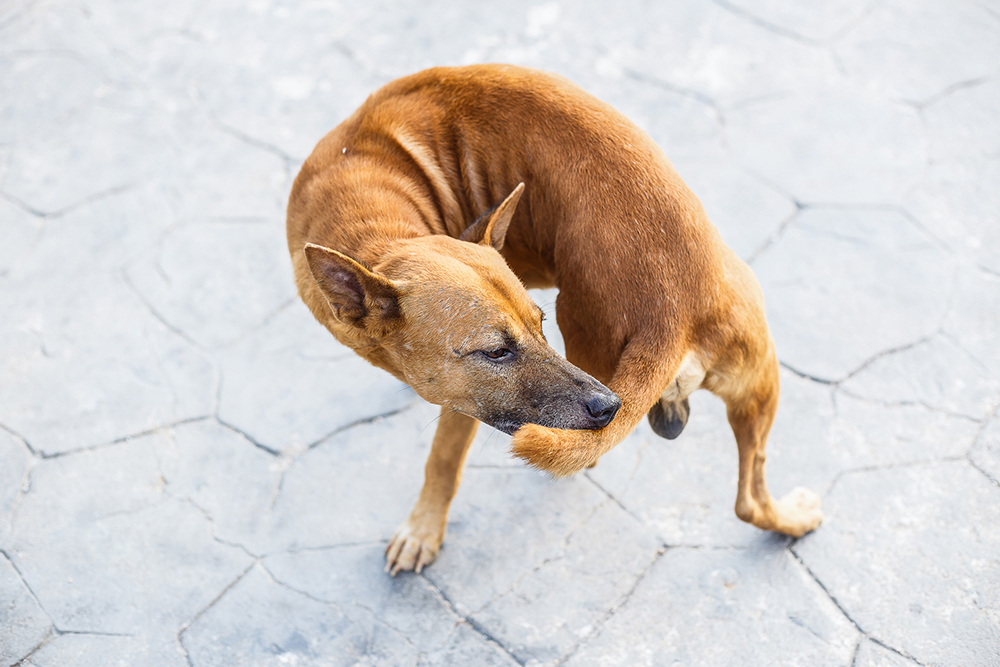
When we see a dog engaging in self-mutilation, such as biting its own tail, it can be concerning and sometimes alarming. But what does this behavior really mean? Is it a sign of boredom, stress, or something more serious?
In this article, we will delve into the causes, remedies, and significance of canine self-mutilation.
Causes of Canine Self-Mutilation
Before we explore the potential solutions, let’s first understand what might be causing your dog to bite its own tail. Some common causes include:
- Dermatitis from flea bites: Fleas can cause skin irritation and allergic reactions in dogs.
- Trauma or injury to the tail: A fall or a blow to the tail can cause pain and lead to self-mutilation behavior.
- Morsing (chewing) at the tail: Some dogs may engage in this behavior due to boredom, stress, or anxiety.
- Fractures of the tail: A broken tail can be painful and lead to self-mutilation behavior as a way to relieve pain.
- Skin allergies or irritations: Skin allergies or irritations can cause discomfort and lead to self-mutilation behavior.
It’s essential to note that self-mutilation can be a sign of an underlying issue, and it’s crucial to seek professional help from a veterinarian behavioralist or neurologist.
Remedies for Canine Self-Mutilation
If you’ve identified the cause of your dog’s self-mutilation behavior, there are several remedies you can try:
- Provide regular exercise and mental stimulation: Regular physical activity and mental stimulation can help reduce stress and anxiety.
- Rotate toys and activities to keep your dog engaged: Rotate toys and activities regularly to prevent boredom.
- Ignore the behavior altogether (if it’s not a severe issue): Ignoring the behavior may not be effective, but if the behavior is minor, ignoring it for a short period of time might help.
- Work with a veterinarian behavioralist or neurologist to develop a customized treatment plan: A professional can help you identify the underlying cause and develop a treatment plan tailored to your dog’s specific needs.
Significance of Canine Self-Mutilation
In addition to being a sign of an underlying issue, canine self-mutilation can also have broader implications for your dog’s well-being. For instance:
- It may indicate stress or anxiety: Self-mutilation behavior can be a coping mechanism for dogs experiencing stress or anxiety.
- It could be a result of boredom or lack of stimulation: Dogs need mental and physical stimulation to prevent boredom and self-mutilation behavior.
- In some cases, it might be a symptom of a neurological disorder: Certain neurological disorders can cause self-mutilation behavior in dogs.
By understanding the causes and significance of canine self-mutilation, you can take steps to address your dog’s behavior and promote their overall health and happiness.
What to Do When Your Dog Self-Mutilates
If you’re concerned about your dog’s self-mutilation behavior, here are some steps you can take:
- Consult with a veterinarian behavioralist or neurologist to rule out underlying medical issues: A professional can help identify any underlying medical issues that may be contributing to the behavior.
- Provide regular exercise and mental stimulation to keep your dog engaged: Regular physical activity and mental stimulation can help reduce stress and anxiety.
- Rotate toys and activities to prevent boredom: Rotate toys and activities regularly to prevent boredom and self-mutilation behavior.
- Ignore the behavior altogether (if it’s not a severe issue): Ignoring the behavior may not be effective, but if the behavior is minor, ignoring it for a short period of time might help.
- Work with a professional to develop a customized treatment plan: A veterinarian behavioralist or neurologist can help you identify the underlying cause and develop a treatment plan tailored to your dog’s specific needs.
What Not to Do When Your Dog Self-Mutilates
When dealing with canine self-mutilation, there are several things you should avoid:
- Don’t scold or punish your dog, as this can create more stress and anxiety.
- Avoid ignoring the behavior altogether, as this can lead to increased frustration and potential harm to your dog.
- Don’t try to handle or restrain your dog, as this can cause further injury or distress.
By understanding the causes, remedies, and significance of canine self-mutilation, you can take steps to address your dog’s behavior and promote their overall health and happiness.
Frequently Asked Questions (FAQs)
- Why does my dog bite its own tail?
- This could be a sign of stress, anxiety, or boredom.
- What causes dermatitis from flea bites?
- Fleas can cause skin irritation and allergic reactions in dogs.
- Can self-mutilation be a symptom of a neurological disorder?
- Yes, it could be a sign of an underlying neurological issue.
- How can I prevent my dog from biting its own tail?
- Provide regular exercise, mental stimulation, and rotate toys and activities to keep your dog engaged.
Conclusion
Canine self-mutilation is a complex behavior that requires understanding and professional help. By recognizing the causes of this behavior and taking steps to address it, you can promote your dog’s overall health and happiness. Consult with a veterinarian behavioralist or neurologist to rule out underlying medical issues and develop a customized treatment plan tailored to your dog’s specific needs. With patience, persistence, and the right guidance, you can help your dog overcome self-mutilation behavior and live a happy and healthy life.


