
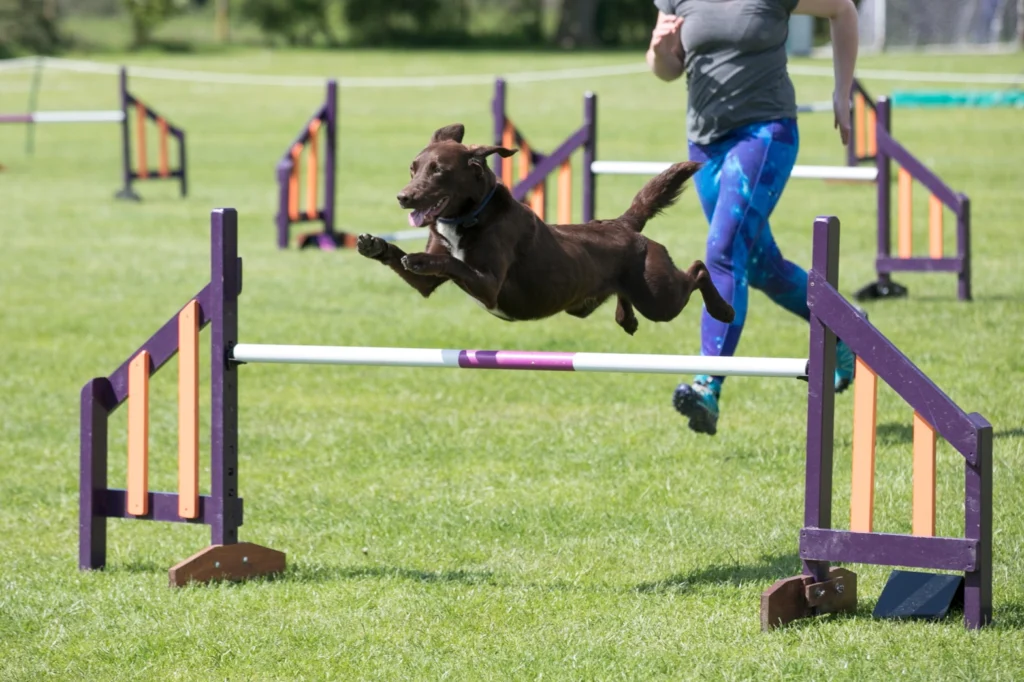
Are you interested in starting an agility dog program for your furry friend? Look no further! This article will guide you through the process of getting started, from choosing the right equipment to creating a fun and challenging obstacle course.
What is Agility Dog?
Agility dog, also known as “dog agility” in some countries, is a canine sport that aims to improve the physical fitness of dogs and their bond with their human companions. It’s an exciting activity that requires patience, consistency, and positive reinforcement training.
Agility dog involves guiding your dog through a variety of obstacles, such as tunnels, jumps, and weave poles, while promoting teamwork, trust, and communication between you and your dog. The sport has become increasingly popular in recent years, with many dog owners and trainers participating in agility competitions and events around the world.
Is Agility Dog Right for Your Dog?
While any breed can participate in agility dog, certain breeds are more suited to the sport due to their athleticism, size, and temperament. For example:
- Border Collies, Australian Shepherds, and German Shepherds excel in agility dog due to their high energy levels and strong work ethic.
- Smaller breeds like Chihuahuas, Poodles, and Shih Tzus can participate in agility dog, but they may require more time and effort to complete obstacles.
However, with proper training and motivation, dogs of all shapes and sizes can enjoy this fun activity. The most important thing is that your dog enjoys the process and is motivated by positive reinforcement techniques.
Creating a Basic Obstacle Course
A basic agility course typically includes four essential obstacles:
- Slalom: A narrow passage through cones or poles that requires the dog to weave through them quickly.
- Jumping: Hurdles or jumps that challenge the dog’s jumping ability and coordination.
- Contact Obstacles: Tunnels, A-frames, or teeter-totters that test the dog’s agility and confidence.
- Weave Poles: A row of poles that the dog must weave through while moving at a steady pace.
When creating your obstacle course, keep in mind the following tips:
- Start with short courses and gradually increase the length and difficulty as your dog becomes more confident.
- Use positive reinforcement training techniques to guide your dog through the obstacles.
- Make sure the obstacles are safe and suitable for your dog’s size, breed, and age.
Choosing the Right Equipment
Before setting up an obstacle course, you’ll need to gather the necessary equipment. Here are some essential items:
- Cones or poles for slalom
- Hurdles or jumps for jumping
- Tunnels, A-frames, or teeter-totters for contact obstacles
- Weave poles for weaves
You can purchase these items at pet stores, online marketplaces, or specialty dog training equipment suppliers. Some popular brands include:
- Pup-Proofing Supplies
- Agility Equipment Company
- Doggy Daycare Supply Co.
Tips for Setting Up an Obstacle Course
- Use natural obstacles: Incorporate elements of nature, such as logs, rocks, and hills, into your obstacle course to make it more challenging and engaging.
- Incorporate problem-solving elements: Add problems that require your dog to think critically, such as finding a hidden treat or navigating through a tunnel with a twist.
- Vary the difficulty level: Gradually increase the difficulty of obstacles as your dog becomes more confident and skilled.
Working with Your Dog
Agility dog is a team sport that requires strong communication and partnership between you and your dog. Here are some essential skills to develop:
- Body Language: Learn to read your dog’s body language, including tail wagging, ear positioning, and posture.
- Vocal Cues: Use clear, concise vocal cues to guide your dog through the course.
- Hand Signals: Incorporate hand signals to reinforce verbal commands.
Getting Started: Tips for New Dog Owners
- Consult with a veterinarian: Before starting any new exercise program, consult with your vet to ensure your dog is healthy and ready for physical activity.
- Start slow: Begin with short training sessions (10-15 minutes) and gradually increase the duration as your dog becomes more comfortable.
- Be patient: Agility dog requires patience, consistency, and positive reinforcement training.
Conclusion
Agility dog is an exciting and rewarding activity that can strengthen the bond between you and your furry friend. By following these tips and guidelines, you’ll be well on your way to creating a fun and challenging obstacle course for your dog. Remember to always prioritize your dog’s safety, health, and happiness.
Frequently Asked Questions (FAQs)
- Q: Can any breed participate in agility dog?
A: While any breed can participate, certain breeds are more suited to the sport due to their athleticism, size, and temperament. - Q: How often should I train my dog for agility dog?
A: Start with short sessions (10-15 minutes) and gradually increase the duration as your dog becomes more comfortable. - Q: What’s the best way to teach my dog to navigate obstacles?
A: Use positive reinforcement training techniques, such as treats, praise, and affection, to guide your dog through the course. - Q: Can I use my old dog for agility dog if they’re not in top physical condition?
A: It’s essential to consult with a veterinarian before starting any new exercise program, especially if your dog has health issues or mobility limitations. - Q: How can I ensure my dog is safe during agility training?
A: Always prioritize your dog’s safety by using proper equipment, monitoring their behavior and physical condition, and providing regular breaks. - Q: Can I use puppies for agility dog training?
A: While puppies can participate in agility dog, it’s essential to wait until they’re at least 4-6 months old and have developed basic obedience skills before starting formal training. - Q: How do I measure my dog’s progress in agility dog?
A: Track your dog’s improvement by monitoring their speed, accuracy, and confidence when navigating obstacles. - Q: Can I participate in agility dog competitions with my dog if they’re not fully trained?
A: While it’s tempting to compete early on, it’s essential to prioritize your dog’s safety and well-being by waiting until they’ve reached a level of proficiency and physical fitness that ensures their success in competition.
Advanced Agility Dog Training Techniques
- Course navigation: Teach your dog to navigate complex courses with multiple obstacles and challenges.
- Distance jumping: Gradually increase the distance between jumps to challenge your dog’s athleticism and coordination.
- Tunneling: Incorporate tunnels into your obstacle course to test your dog’s speed, agility, and problem-solving skills.
Conclusion
Agility dog is a fun and rewarding activity that can strengthen the bond between you and your furry friend. By following these tips and guidelines, you’ll be well on your way to creating a challenging and engaging obstacle course for your dog. Remember to always prioritize your dog’s safety, health, and happiness.
Additional Resources
- American Kennel Club (AKC) Agility Dog Guide
- International Agility Council (IAC) Agility Dog Training Tips
- agility dog training videos on YouTube
By following these tips and guidelines, you’ll be well on your way to creating a fun and challenging obstacle course for your dog. Remember to always prioritize your dog’s safety, health, and happiness. Happy agility training!


