
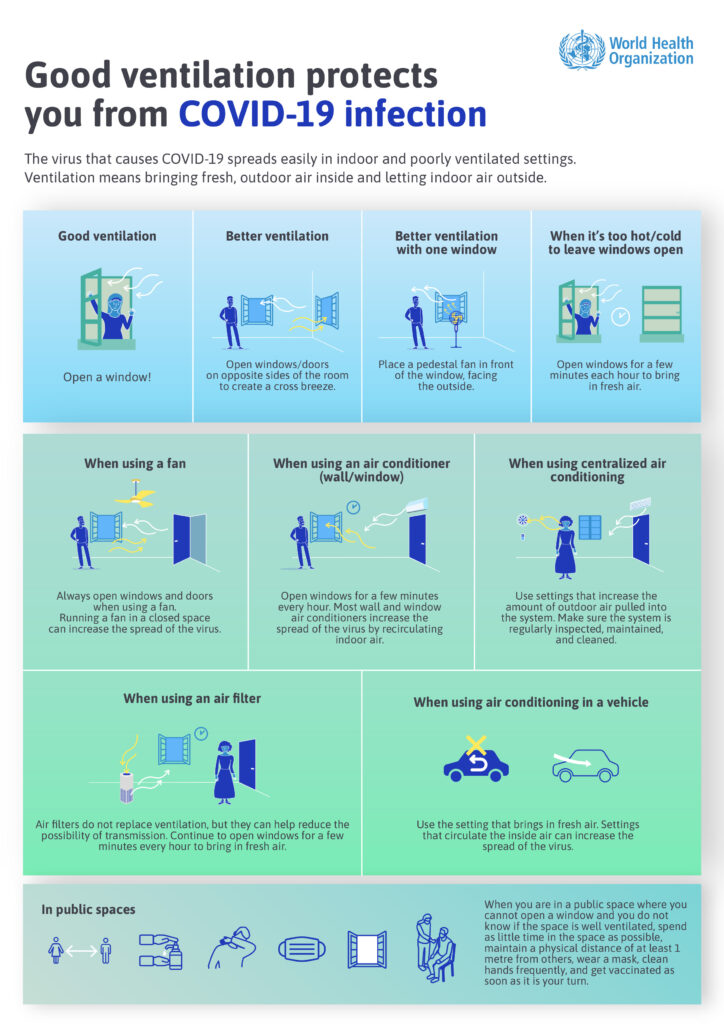
As the summer season approaches, many of us are thinking about how we can enjoy the warmer weather while minimizing our risk of contracting COVID-19. One common concern is whether air conditioning can spread the virus, and what steps we can take to ensure our homes and offices remain safe.
Understanding How Air Conditioning Works
Before we dive into the specifics, it’s essential to understand how air conditioning works. Air conditioners circulate air throughout a building or home, cooling it down through refrigeration. While this process is designed to keep us comfortable, it can also pick up viruses and other airborne pathogens if not properly maintained.
The Science Behind Air Conditioning and Viruses
Air conditioning systems work by circulating air through a coil, which absorbs heat from the surrounding environment. This process can be beneficial for removing viral particles from the air, but it can also introduce new particles into the system if not properly maintained.
In terms of how viruses interact with air conditioning systems, research suggests that:
- Airborne pathogens such as COVID-19 can become trapped in the air conditioning system’s filters and surfaces.
- Particle size plays a crucial role in determining whether a virus will be removed by an air conditioner. Larger particles are more likely to be trapped, while smaller particles may pass through the filter and remain airborne.
Can Air Conditioning Spread the Coronavirus?
The short answer is no – air conditioning itself cannot spread the coronavirus. However, if the air conditioner is not properly cleaned and maintained, it can potentially harbor viruses. This is especially true for older or poorly maintained systems, which may have hidden crevices and areas where bacteria and viruses can accumulate.
Conserving Safety with Precautions
To ensure your safety, follow these tips:
- Regular Cleaning: Before using the air conditioner, clean its filters and surfaces to prevent the buildup of dust, dirt, and germs.
- Sanitizing High-Touch Areas: Pay particular attention to high-touch areas such as grilles, vents, and control panels. Use a disinfectant spray or wipes to sanitize these areas.
- Proper Maintenance: Schedule regular maintenance for your air conditioner to ensure it is working efficiently and effectively.
Air Quality Monitoring: A Crucial Step in Preventing the Spread of COVID-19
Investing in an air quality monitor can help you track indoor and outdoor pollutant levels, including airborne pathogens. This information can be invaluable in helping you take preventative measures to minimize your risk of contracting COVID-19.
Some key features to look for in an air quality monitor include:
- Particulate matter (PM) sensors: These detect particulate pollutants such as dust, smoke, and pollen.
- Volatile organic compounds (VOCs): These measure the levels of chemicals emitted by indoor sources such as cleaning products, paints, and adhesives.
- Carbon dioxide (CO2) sensors: These track the levels of CO2 in your home or office.
Using a HEPA Filter: A Cost-Effective Way to Remove Airborne Pathogens
High-efficiency particulate air (HEPA) filters are designed to capture particles as small as 0.3 microns, making them an effective way to remove airborne pathogens from the air. By using a HEPA filter in your air conditioner or vacuum cleaner, you can significantly reduce the amount of viral particles in the air.
Some key benefits of using a HEPA filter include:
- Improved indoor air quality: By removing particulate pollutants and airborne pathogens, HEPA filters help create a healthier indoor environment.
- Reduced allergy symptoms: HEPA filters are particularly effective at removing allergens such as dust mites, pollen, and pet dander.
- Increased energy efficiency: Some air conditioners come equipped with built-in HEPA filters, which can improve their overall energy efficiency.
Temperature Control: A Simple Way to Reduce the Risk of COVID-19 Transmission
Lowering your thermostat by just one degree can save you 5% of energy costs, while also reducing the risk of viral transmission. This is because lower temperatures are less conducive to the growth and survival of viruses.
When it comes to temperature control, consider the following tips:
- Maintain a consistent temperature: Avoid sudden changes in temperature, as these can disrupt your body’s natural temperature regulation.
- Use a thermostat with a timer: Set your thermostat to turn off when you’re not home or sleeping to save energy and reduce exposure to airborne pathogens.
By taking these precautions and following the tips outlined above, you can enjoy your air conditioning while minimizing your risk of contracting COVID-19. Stay safe and healthy!


