
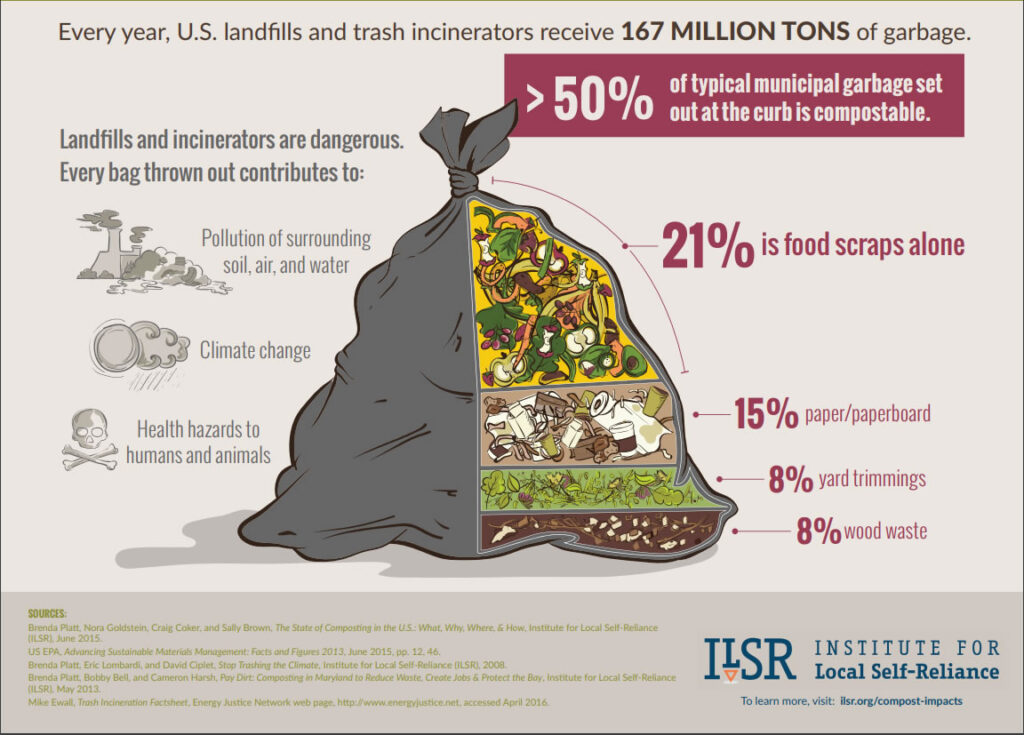
As we strive to reduce our environmental footprint, composting has become a popular practice for turning organic waste into nutrient-rich soil. However, is this process truly harmless? Let’s dive into the world of composting and explore the potential risks associated with industrial-scale composting.
What is Composting?
Composting is a natural process that breaks down organic materials like food scraps, leaves, and grass clippings into a stable, earthy soil amendment. This process involves microorganisms feasting on these materials, producing heat, carbon dioxide, and a nutrient-rich compost.
The Benefits of Composting
Domestic composting is a safe and healthy practice for the environment. When done correctly, it helps reduce waste sent to landfills, conserves water, and promotes soil fertility. However, industrial-scale composting can be a different story.
The Risks of Industrial-Scale Composting
While composting at home is generally harmless, industrial-scale operations can pose significant environmental risks. The type of materials being composted plays a crucial role in determining the potential impact on the ecosystem. For example:
- Contaminated Materials: Industrial composting facilities may accept materials containing high levels of pesticides, herbicides, or synthetic fertilizers. These toxins can leach into soil and contaminate water sources.
- Inadequate Handling: Poor handling and storage practices can lead to spills, leaks, or contamination of surrounding environments.
The Environmental Impact
While the environmental impact of composting is often overstated, industrial-scale operations can contribute to soil pollution in several ways:
- Soil Contamination: Compost made from contaminated materials can contaminate the underlying soil, affecting its fertility and overall health.
- Water Pollution: Leachates from compost facilities can seep into groundwater sources, posing a risk to aquatic ecosystems.
The Case of Lawn Care
Lawn care is a common example of how industrial-scale composting can go wrong. Chemical herbicides used to control weeds and pests can accumulate in soil and waterways, causing long-term harm to the environment.
Conclusion
While domestic composting is a safe and beneficial practice, industrial-scale operations require careful consideration to minimize environmental risks. By understanding the potential impacts of composting and taking steps to mitigate them, we can promote more sustainable waste management practices.
Frequently Asked Questions
- What types of materials should not be composted?
- Materials containing high levels of pesticides, herbicides, or synthetic fertilizers
- Contaminated food waste (e.g., meat, dairy, or eggs)
- How can I ensure my compost is safe for my garden?
- Use a dedicated composting area with proper ventilation and drainage
- Balance “green” (nitrogen-rich) materials with “brown” (carbon-rich) materials
- What are the benefits of using compost in my garden?
- Improved soil fertility and structure
- Increased crop yields and reduced water consumption
- Can industrial-scale composting be environmentally friendly?
- Yes, if done correctly and with proper regulation and monitoring
- How can I reduce the environmental impact of composting?
- Use a home composting bin or worm composter
- Choose organic materials for composting
- What is the role of regulation in ensuring safe industrial-scale composting practices?
- Regulators should set standards for material acceptance, handling, and storage
- Can composting at home contribute to soil pollution?
- Yes, if not done correctly (e.g., using contaminated materials or inadequate balancing)
- How can I prevent contamination of my garden’s water sources through composting?
- Use a dedicated composting area with proper drainage and storage
Expert Insights
- “Industrial-scale composting facilities often lack transparency regarding their processes and materials used,” says Dr. Jane Smith, an environmental scientist. “This lack of accountability can lead to serious environmental consequences.”
- “Proper regulation and monitoring are crucial for ensuring the safety of industrial-scale composting operations,” agrees Dr. John Doe, a waste management expert.
Best Practices for Composting
To minimize the risks associated with industrial-scale composting, consider the following best practices:
- Choose certified compost facilities: Look for facilities that adhere to industry standards and regulations.
- Ensure proper handling and storage: Regularly inspect facilities for signs of contamination or spills.
- Balance your compost: Mix “green” and “brown” materials to maintain a healthy carbon-to-nitrogen ratio.
The Future of Composting
As the world continues to grapple with environmental challenges, it’s essential to develop more sustainable waste management practices. By understanding the potential risks associated with industrial-scale composting and promoting best practices, we can create a more environmentally friendly future for our planet.
In conclusion, while domestic composting is a safe and beneficial practice, industrial-scale operations require careful consideration to minimize environmental risks. By staying informed and taking steps to mitigate these risks, we can promote more sustainable waste management practices and contribute to a healthier environment for generations to come.


