
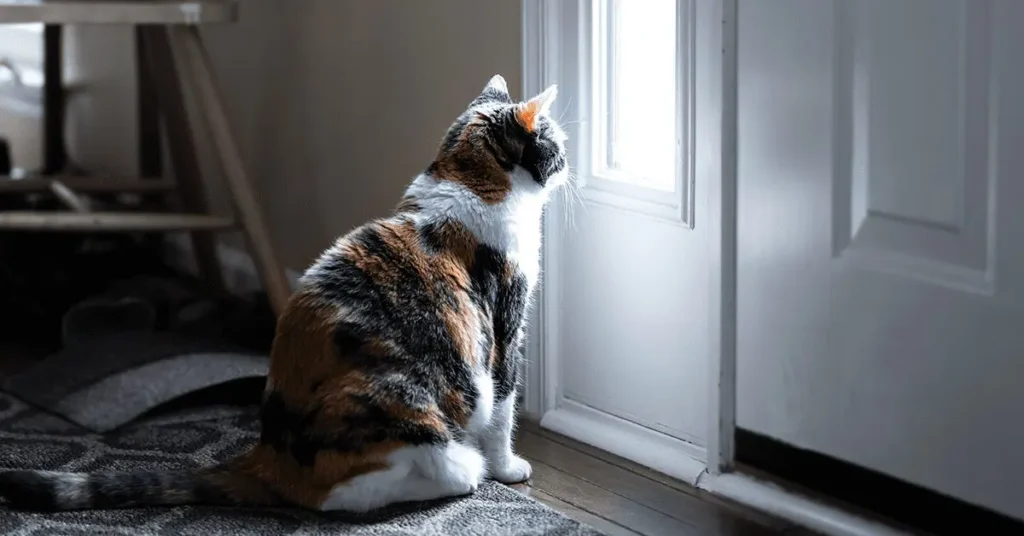
Is a cat living alone really lonely?
While it’s true that cats are often thought of as solitary animals, some studies suggest that they can feel just as much loneliness as humans do. However, the relationship between cats and loneliness is complex, and there’s still much to be learned about their emotional lives.
In this article, we’ll explore whether a cat living alone really feels lonely, and what you can do to help your feline friend cope with feelings of isolation.
Understanding Cat Behavior
Before we dive into the world of cat emotions, it’s essential to understand how cats behave when they’re left alone. Some cats are perfectly happy to spend time on their own, while others may exhibit signs of stress or anxiety when left without human interaction.
Cats are naturally crepuscular animals, meaning they’re most active at dawn and dusk. This natural instinct can lead them to be more alert and sensitive to their surroundings, making them more prone to feeling lonely if they’re left alone for extended periods.
Signs Your Cat Is Lonely
So, how do you know if your cat is feeling lonely? Here are some common signs:
- Changes in appetite: A decrease or increase in food intake can be a sign that your cat is stressed or anxious.
- Changes in routine: If your cat’s daily routine is disrupted, they may become more restless or agitated.
- Destructive behavior: Cats are notorious for their mischievous ways, but if you notice your cat destroying furniture or other household items, it could be a sign of boredom or frustration.
- Vocalization: Cats use vocalizations to communicate with us and each other. If your cat is meowing or crying more than usual, it may be trying to tell you that they’re feeling lonely.
How Long Can a Cat Stay Alone?
The amount of time a cat can stay alone depends on various factors, including their age, breed, and individual personality. Generally speaking, cats can tolerate being left alone for short periods of time without too much issue.
- 8-10 hours: This is a typical range for most adult cats, who can easily spend the day sleeping or engaging in self-directed activities.
- Long-term separation: If your cat is left alone for extended periods (more than 12 hours), they may start to exhibit signs of stress or anxiety, such as pacing, panting, or excessive vocalization.
Preventing Loneliness in Cats
While cats can thrive on their own, there are ways to minimize the risk of loneliness and ensure your cat stays happy and healthy:
- Provide mental stimulation: Engage your cat’s mind with puzzle toys, treat-dispensing toys, or interactive games.
- Create a stimulating environment: Add new textures, smells, or sights to your home to keep your cat engaged and curious.
- Consider a feline companion: If possible, introducing a second cat to the household can provide companionship for your feline friend.
The Role of Technology in Helping Lonely Cats
Fortunately, technology has come up with innovative solutions to help cats cope with loneliness. Here are some examples:
- Interactive toys and games: These devices stimulate your cat’s mind and body, providing entertainment and exercise.
- Camera monitoring systems: Some cameras allow you to check in on your cat remotely, ensuring they’re safe and happy while you’re away.
- Automated feeders and dispensers: These gadgets ensure your cat always has access to fresh food and water.
Conclusion
While cats can exhibit signs of loneliness, it’s essential to remember that each feline is unique, and what works for one cat may not work for another. By understanding your cat’s behavior, providing mental stimulation, creating a stimulating environment, and using technology to their advantage, you can help minimize the risk of loneliness in your feline friend.
Frequently Asked Questions
- Can cats get bored?
Yes, cats can get bored just like humans do! Providing mental stimulation through toys and activities can help prevent boredom. - How often should I check on my cat when I’m away?
It’s essential to establish a regular routine for checking in on your cat, such as twice a day or once an hour, depending on their individual needs. - Can I leave my cat alone for extended periods without any issues?
While cats can tolerate being left alone for short periods, prolonged separation (more than 12 hours) may lead to stress and anxiety. - Will a feline companion help alleviate loneliness in my cat?
Introducing a second cat to the household can provide companionship for your feline friend, but it’s crucial to consider their compatibility before making a decision. - Are there any specific toys or activities that can help reduce loneliness in cats?
Engaging your cat with puzzle toys, treat-dispensing toys, and interactive games can stimulate their mind and body, providing entertainment and exercise.
By understanding the complex relationship between cats and loneliness, you can take steps to create a happy and healthy environment for your feline friend. Whether it’s providing mental stimulation, creating a stimulating environment, or using technology to their advantage, there are many ways to help your cat cope with feelings of isolation.


