
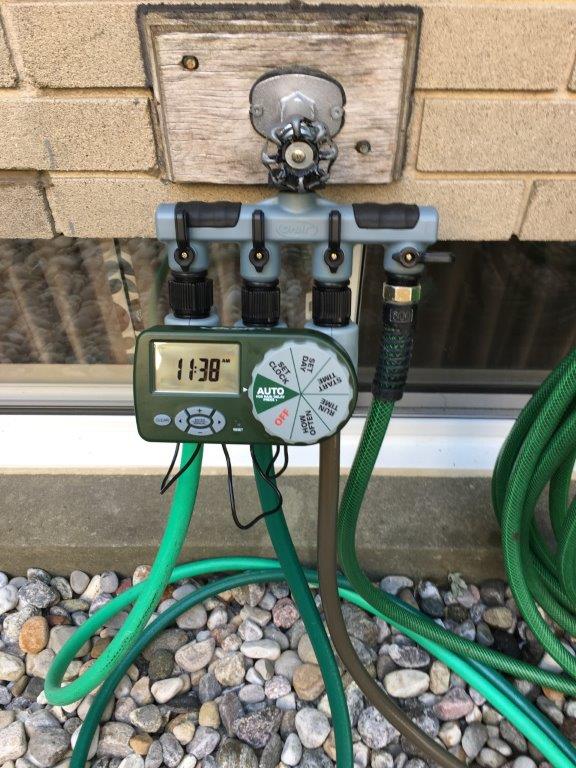
Are you tired of wasting water on your garden or lawn? Do you want to save money on your water bill and reduce your environmental impact? Look no further! This article will guide you through the process of creating a smart irrigation system that uses buried pipes, also known as an “interrated” irrigation system. We’ll cover everything from designing the system to installing it.
What is Smart Irrigation?
Smart irrigation systems use advanced technologies such as sensors and timers to optimize water usage. These systems can detect soil moisture levels, temperature, and other environmental factors to determine when to irrigate. This approach not only saves water but also reduces evaporation and runoff, making it an effective solution for drought-resistant watering.
Designing Your Smart Irrigation System
Before you start digging, it’s essential to design your irrigation system. Here are the steps to follow:
- Map out your garden or lawn: Use a piece of paper or a software tool to create a map of your outdoor space.
- Identify obstacles and trees: Mark any trees, gardens beds, or other obstacles that could interfere with your irrigation system.
- Determine the source of water: Choose a location for your main water supply line.
Choosing the Right Kit
There are many kits available on the market that can help you create an interrated irrigation system. When selecting a kit, consider the following factors:
- System size: Choose a kit that’s suitable for your garden or lawn size.
- Components included: Look for kits that include all necessary components, such as tubing, valves, and fittings.
- Ease of installation: Opt for kits with simple installation instructions.
Popular Kit Options
Some popular kit options include:
- Leroy Merlin Irrigation Kit: This kit includes a 25-meter tube, valves, and fittings, perfect for small gardens or lawns.
- Amazon’s Smart Irrigation Kit: This kit includes a 25-meter tube, valves, and fittings, along with a timer and sensors to optimize water usage.
Installing Your Smart Irrigation System
Once you’ve chosen your kit, it’s time to install your smart irrigation system. Here are the steps to follow:
- Dig trenches: Use a shovel or backhoe to dig trenches for your tubing.
- Lay tubing: Place the tubing in the trenches and connect it to your main water supply line.
- Install valves and fittings: Connect the valves and fittings according to the manufacturer’s instructions.
Additional Tips for Installing Your Smart Irrigation System
- Use a level to ensure that your irrigation system is properly aligned.
- Connect valves and fittings in a way that minimizes water loss due to leaks or kinks.
- Test your system before use to ensure it’s working correctly.
Maintenance and Troubleshooting
Regular maintenance and troubleshooting are crucial for ensuring the longevity of your smart irrigation system. Here are some tips:
- Check soil moisture levels regularly: Use a moisture meter or observe changes in plant growth to determine when to irrigate.
- Clean valves and fittings regularly: Remove debris and sediment that can accumulate and cause leaks.
- Inspect tubing for damage: Look for signs of damage, such as cuts or punctures.
Benefits of Smart Irrigation Systems
Smart irrigation systems offer a range of benefits, including:
- Water savings: These systems use advanced technologies to optimize water usage, reducing waste and minimizing environmental impact.
- Increased efficiency: By detecting soil moisture levels and adjusting irrigation schedules accordingly, smart irrigation systems can reduce evaporation and runoff.
- Cost-effectiveness: Regular maintenance and troubleshooting can help extend the lifespan of your system.
Conclusion
Creating a smart irrigation system using an interratted irrigation system is a simple and effective way to save water on your garden or lawn. By following these steps, you can create a customized system that meets your specific needs. Don’t forget to check out our guide on how to install a smart irrigation system for more detailed instructions.
Frequently Asked Questions (FAQs)
- What is the best way to calculate soil moisture levels?: You can use a moisture meter or observe changes in plant growth.
- How often should I irrigate my garden or lawn?: It depends on factors such as weather conditions, soil type, and plant needs. Use a rain sensor and adjust irrigation schedules accordingly.
- Can I install an interratted irrigation system myself?: Yes, with the right kit and tools. Follow manufacturer instructions for installation.
- What are some common mistakes when designing an interratted irrigation system?: Poor mapping of garden or lawn, insufficient soil moisture monitoring, and incorrect water pressure levels.
- How can I ensure my smart irrigation system is efficient and cost-effective?: Use sensors to monitor water usage, adjust irrigation schedules based on weather conditions, and perform regular maintenance checks.
Additional Resources
- Irrigation System Guide: A comprehensive guide to designing and installing an interratted irrigation system.
- Rain Sensor Tutorial: Learn how to install a rain sensor for optimal soil moisture monitoring.
By following these steps and tips, you can create a smart irrigation system that saves water and reduces your environmental impact.


