
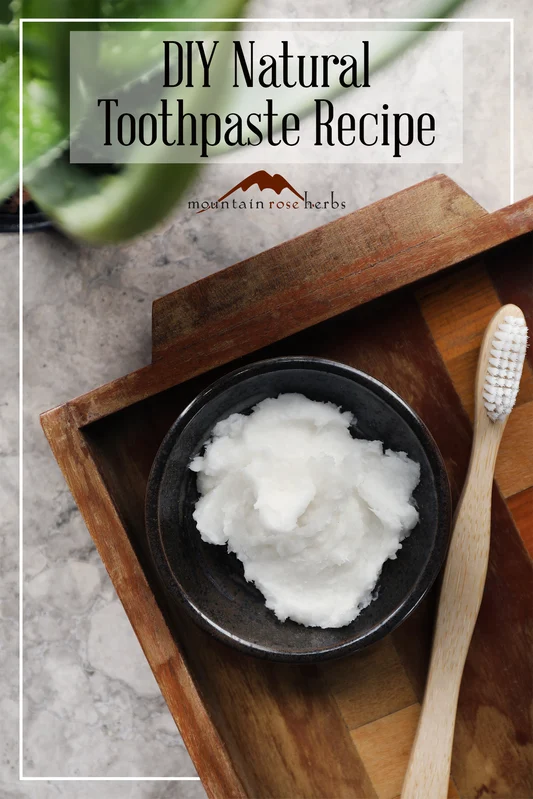
As a healthy and conscious individual, it’s great that you’re considering making your own toothpaste at home. This not only allows you to control the ingredients but also helps reduce the risk of using harsh chemicals found in commercial toothpastes.
But before we dive into the world of DIY toothpaste, let’s talk about why it’s essential to test its abrasiveness. You see, a toothpaste that’s too rough can damage your teeth and gums, leading to issues like sensitivity, decay, and even gum recession.
The Scricchiolamento Test: A Simple Way to Ensure Your Toothpaste is Safe
To put your toothpaste through its paces, you’ll need to perform the scricchiolamento test. This simple test involves placing a small amount of toothpaste between two incisors and gently moving them back and forth. If you hear a scricching sound, it’s a sign that the toothpaste is too coarse and may not be suitable for your teeth.
Why is the Scricchiolamento Test Important?
You see, commercial toothpastes often contain harsh abrasives like silica or calcium carbonate, which can damage your teeth over time. By testing your DIY toothpaste, you can ensure it’s safe to use on your teeth and gums.
A Brief History of Toothpaste: From Ancient Civilizations to Modern Times
To understand the importance of making your own toothpaste, let’s take a brief look at its history. In ancient civilizations like Egypt, China, and India, people used natural ingredients like chalk, ashes, and herbs to clean their teeth.
Fast-forward to the 19th century, when commercial toothpastes began to emerge. These early toothpastes often contained harsh chemicals like mercury and strontium chloride, which were later found to be detrimental to oral health.
The Benefits of Making Your Own Toothpaste
So, why should you make your own toothpaste at home? Here are just a few benefits:
- Control over ingredients: By making your own toothpaste, you can choose the natural ingredients that work best for your teeth and gums.
- Reduced risk of harsh chemicals: Commercial toothpastes often contain harsh chemicals that can damage your teeth and gums. By avoiding these ingredients, you can reduce your risk of oral health issues.
- Cost-effective: Making your own toothpaste at home can be a cost-effective alternative to buying commercial toothpaste.
A Simple Recipe for Homemade Toothpaste
So, are you ready to give making your own toothpaste a try? Here’s a simple recipe to get you started:
Ingredients:
- 6 teaspoons of baking soda
- 1/2 teaspoon of salt
- 3 teaspoons of coconut oil
- 10 drops of peppermint essential oil
Instructions:
- Mix all the ingredients together in a small bowl until they form a smooth paste.
- Store your toothpaste in an airtight container at room temperature.
Natural Remedies for Oral Health
While making your own toothpaste is a great way to control the ingredients, there are other natural remedies you can try to support oral health:
- Fruits: Certain fruits like strawberries, blueberries, and raspberries have been shown to have antibacterial properties that can help reduce plaque and prevent gum disease.
- Ginger: Ginger has anti-inflammatory properties that can help reduce swelling and pain in the gums.
- Saltwater Rinse: Rinsing your mouth with saltwater can help reduce inflammation and kill bacteria.
How to Choose the Right Ingredients for Your Toothpaste
Choosing the right ingredients for your toothpaste is crucial. Here are some factors to consider:
- Baking Soda: Baking soda is a natural abrasive that helps remove plaque and tartar from teeth. However, it can be harsh on gums if used in excess.
- Coconut Oil: Coconut oil has antimicrobial properties that can help reduce plaque and prevent gum disease. It’s also gentle on teeth and gums.
- Salt: Salt has antibacterial properties that can help kill bacteria in the mouth. However, it can be too harsh for some people’s teeth and gums.
Tips for Making Your Own Toothpaste
Here are a few tips to keep in mind when making your own toothpaste:
- Start with small batches: Making small batches of toothpaste allows you to test the ingredients and adjust the recipe as needed.
- Use a glass jar: Glass jars are gentler on teeth and gums than plastic containers, which can leach chemicals into your toothpaste.
- Label your container: Clearly label your container with the date and ingredients used, so you can keep track of when to make fresh batches.
Common Mistakes to Avoid When Making Your Own Toothpaste
Here are a few common mistakes to avoid when making your own toothpaste:
- Using too much baking soda: Baking soda can be harsh on gums if used in excess. Start with small amounts and adjust as needed.
- Using the wrong type of oil: Some oils, like olive oil, can be too harsh for teeth and gums. Stick to gentle oils like coconut or sesame oil.
- Not testing your toothpaste: Always test your toothpaste before using it regularly to ensure it’s safe for your teeth and gums.
Conclusion
Making your own toothpaste at home is a great way to control the ingredients, reduce the risk of harsh chemicals, and support oral health. By testing the scricchiolamento test and choosing natural ingredients, you can create a homemade toothpaste that’s safe and effective for your teeth and gums.
Frequently Asked Questions
Q: Is making my own toothpaste at home worth it?
A: Absolutely! By controlling the ingredients and avoiding harsh chemicals, you can reduce your risk of oral health issues and support overall well-being.
Q: What are some natural ingredients I can use in my homemade toothpaste?
A: Some popular natural ingredients include baking soda, coconut oil, salt, and essential oils like peppermint and tea tree oil.
Q: How often should I make my own toothpaste at home?
A: It’s recommended to make your own toothpaste every 1-2 months or when the ingredients start to run low.
Q: Can I use any type of fruit in my homemade toothpaste?
A: While certain fruits like strawberries and raspberries have antibacterial properties, it’s best to stick with fruits that are gentle on teeth and gums.


