
As the world becomes increasingly aware of the importance of self-care and mindfulness, many people have discovered the joy of taking care of small things at home, especially when it comes to nature. One such activity that has gained popularity in recent months is creating a terrarium, also known as a “mini indoor garden.” In this article, we will guide you through the process of creating your own terrarium, from choosing the right plants and animals to designing and setting up the perfect habitat.
What is a Terrarium?
A terrarium is a small, enclosed space that contains living plants or animals. It can be a self-sustaining ecosystem or a miniature environment that requires maintenance. The key to creating a successful terrarium is understanding the needs of the plants and animals you choose to include.
Choosing the Right Plants and Animals
When selecting plants and animals for your terrarium, it’s essential to consider their compatibility and specific requirements. Some plants thrive in low-light conditions, while others prefer bright, direct sunlight. Similarly, some animals require a warm environment, while others are adapted to cooler temperatures.
Here are some popular options for beginners:
- Plants: Ferns, mosses, succulents, air plants
- Animals: Small insects (e.g., bees, butterflies), snails, slugs, or even small reptiles like geckos
Step-by-Step Guide to Creating a Terrarium
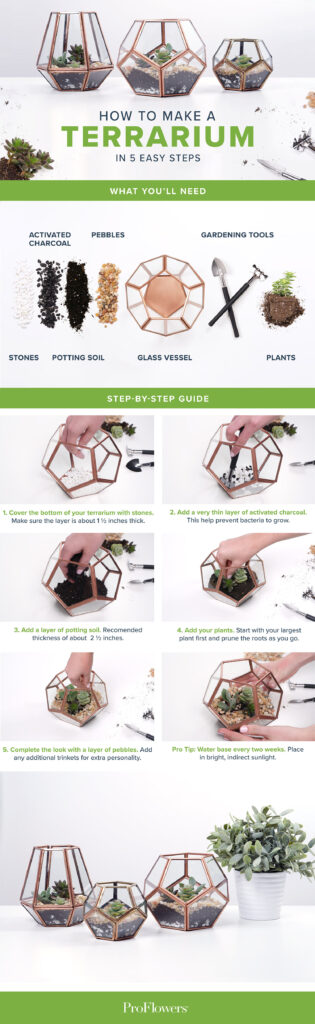
Creating a terrarium is a relatively simple process. Here’s a step-by-step guide:
- Selecting the Container: Choose a clear glass container that fits your desired size and style. Make sure it has a wide mouth for easy access and maintenance.
- Preparing the Substrate: Select a suitable substrate (soil or medium) for your plants, taking into account their specific needs. Some terrariums may require a specialized soil blend.
- Adding Decorations: Add rocks, pebbles, or small decorative items to create visual interest and stability in the terrarium.
- Planting and Animal Introduction: Carefully plant your chosen species and introduce the animals you’ve selected. Make sure not to overcrowd the terrarium, as this can lead to competition for resources.
- Watering and Maintenance: Water your terrarium sparingly, as overwatering can lead to mold and fungal growth.
Designing Your Terrarium
Once you have your container and plants chosen, it’s time to design your terrarium:
- Choosing a Theme: Decide on a theme or style for your terrarium, such as tropical, desert, or forest.
- Creating a Landscape: Arrange rocks, pebbles, and other materials to create a visually appealing landscape.
- Adding Decorative Elements: Add decorative elements like small figurines, shells, or mosses to enhance the visual appeal of your terrarium.
Tips and Tricks
Here are some valuable tips for creating a thriving terrarium:
- Maintain Temperature: Ensure your terrarium maintains a stable temperature range for the plants and animals you’ve chosen.
- Monitor Humidity: Keep an eye on humidity levels to prevent overwatering.
- Avoid Overcrowding: Give each plant enough space to grow without overcrowding.
- Use a Thermometer: Monitor the temperature of your terrarium to ensure it stays within the optimal range for your plants and animals.
- Avoid Over-Handling: Handle your terrarium minimally, as excessive touching can cause stress to the plants and animals.
Common Mistakes to Avoid
When creating a terrarium, there are several common mistakes that beginners make. Here are some of them:
- Overwatering: Too much water can lead to mold and fungal growth.
- Under-Planting: Not enough plants can lead to competition for resources and stress.
- Incorrect Substrate Choice: Using the wrong substrate can lead to poor drainage or nutrient deficiencies.
- Inadequate Lighting: Insufficient light can slow down plant growth and cause stress.
Conclusion
Creating a terrarium is a rewarding hobby that can bring joy and relaxation to your life. By following these steps and tips, you’ll be well on your way to creating a thriving miniature ecosystem that will captivate your senses and inspire your imagination.
Frequently Asked Questions (FAQs)
- What are the most popular plants for terrariums?
- Ferns, mosses, succulents, air plants
- Can I use any type of container for a terrarium?
- No; choose a clear glass or plastic container to allow for light penetration.
- How often should I water my terrarium?
- Check the substrate moisture levels regularly and adjust watering accordingly.
- What are some popular animals for terrariums?
- Small insects, snails, slugs, geckos
- Can I create a self-sustaining terrarium ecosystem?
- Yes; research and choose plants that thrive in low-light conditions and have adapted to each other’s needs.
- How long does it take for a terrarium to mature?
- Several months to several years, depending on the species chosen.
- Can I use artificial lighting for my terrarium?
- Yes; but ensure the light source is not too intense or harsh.
- What are some common mistakes when creating a terrarium?
- Overwatering, overcrowding, and neglecting temperature and humidity levels.
By following these guidelines and tips, you’ll be well on your way to creating a thriving terrarium that will bring you joy and relaxation for years to come. Remember to be patient and observe your terrarium’s needs carefully, as it is a living ecosystem that requires attention and care.


