
Understanding the Risks of UV Exposure
Exposure to UV rays without adequate sun protection can lead to serious health risks. That’s why we’re dedicating this article to exploring the possibility of creating your own natural sunscreen, ensuring a healthy tan without breaking the bank or compromising on efficacy.
UV radiation from the sun is a major contributor to skin cancer, premature aging, and sunburns. The American Academy of Dermatology recommends using a broad-spectrum sunscreen with an SPF of at least 30 daily, even on cloudy days, as UV rays can pass through clouds. Furthermore, the Skin Cancer Foundation advises against using tanning beds or artificial sources of UV radiation, as they increase the risk of skin cancer.
Why DIY Sunscreen?
Before diving into our DIY recipes, it’s essential to consult with a dermatologist to determine the best approach for your specific skin type and needs. However, with caution and creativity, you can create effective sunscreens at home. Here are some benefits of using DIY sunscreen:
- Natural ingredients: Many commercial sunscreens contain harsh chemicals that can be detrimental to our health. By choosing natural ingredients, you can avoid these risks.
- Customization: With a DIY approach, you can tailor your sunscreen recipe to suit your skin type and needs.
- Cost-effective: Making your own sunscreen at home can save you money in the long run.
- Reducing plastic waste: By avoiding single-use sunscreens, you’ll contribute to reducing plastic waste.
Recipe 1: Karite Butter and Aloe Vera Sunscreen
Our first recipe combines two well-known ingredients that have gained popularity in recent years: karite butter and aloe vera. These natural moisturizers can help soothe and protect your skin while providing adequate UV protection.
To prepare this sunscreen, you’ll need:
- 250 grams of karite butter
- 3 tablespoons of aloe vera gel
- 1 tablespoon of pure zinc oxide
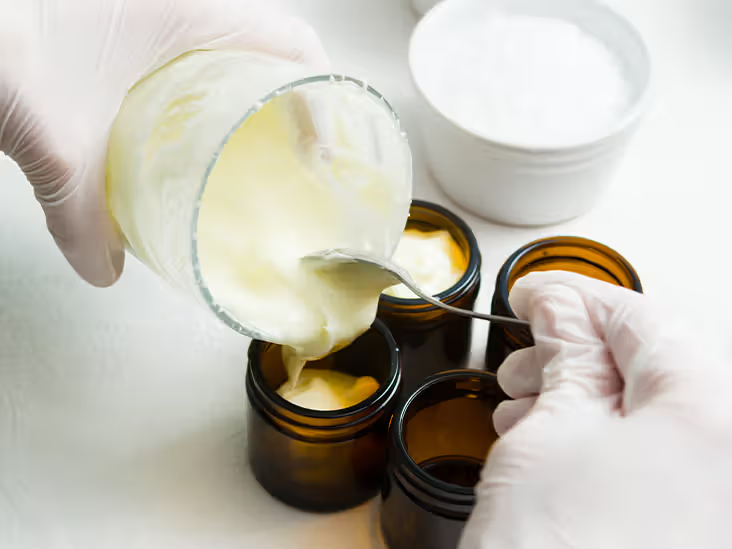
Melt the karite butter in a double boiler or microwave-safe bowl. Add the aloe vera gel and mix well. Stir in the zinc oxide until fully incorporated.
Recipe 2: Coconut Oil and Olive Oil Sunscreen (Note: Not for use as primary sunscreen)
Our second recipe is perfect for those who want to add a natural glow to their skin without compromising on protection. However, please note that this sunscreen should be used after applying a broad-spectrum sunscreen with at least SPF 30.
To prepare this sunscreen, you’ll need:
- 150 ml of olive oil
- 50 ml of coconut oil
- 50 ml of beeswax
- 2 tablespoons of zinc oxide powder (approximately 10% zinc oxide)
- 5-7 drops of your preferred essential oil
Melt the beeswax in a double boiler or microwave-safe bowl. Combine the olive and coconut oils, adding the zinc oxide powder until fully incorporated. Stir in the essential oil.
Tips for Using Your DIY Sunscreen
Before using your homemade sunscreen, keep these tips in mind:
- Always store your sunscreen in an airtight container at room temperature.
- Apply your sunscreen frequently throughout the day, especially after showering or bathing.
- Be sure to reapply every two hours or immediately after swimming or sweating.
The Importance of Zinc Oxide
Zinc oxide is a key ingredient in our DIY sunscreens. This natural mineral provides excellent UV protection and has been shown to be effective against UVA and UVB rays. When using zinc oxide, remember that the more you add, the higher the SPF (at least 10).
Conclusion
While DIY sunscreens may not offer the same level of convenience as commercial products, they can provide a natural alternative for those seeking a healthier approach to sun protection. By following our recipes and tips, you can create effective sunscreens at home while reducing your exposure to harsh chemicals.
Frequently Asked Questions (FAQs)
-
Can I use my DIY sunscreen on sensitive skin?
Yes, with caution. Always perform a patch test before using any new skincare product, including your homemade sunscreen.
2. How often should I reapply my DIY sunscreen?Apply your sunscreen every two hours or immediately after swimming or sweating.
3. Is it safe to use essential oils in my sunscreens?Yes, but always use high-quality, skin-safe essential oils and follow the recommended amounts (typically 5-7 drops per recipe).
4. Can I mix different ingredients in my DIY sunscreen recipes?Yes, with caution. Always research and understand the properties of each ingredient before combining them.
5. How do I choose the right zinc oxide powder for my sunscreens?Opt for a high-quality, pharmaceutical-grade zinc oxide powder that contains at least 10% zinc oxide.
6. Can I use my DIY sunscreen on children or infants?Consult with a dermatologist before using your homemade sunscreen on children or infants, as their skin may require special care.
7. What is the shelf life of my DIY sunscreen?Store your homemade sunscreen in an airtight container and follow proper expiration dates to ensure optimal efficacy.
8. How do I maintain the stability of my DIY sunscreen?Keep your homemade sunscreen away from direct sunlight, heat sources, and moisture to prevent degradation.
By following these recipes, tips, and FAQs, you can create effective sunscreens at home while promoting a healthier approach to sun protection.


