
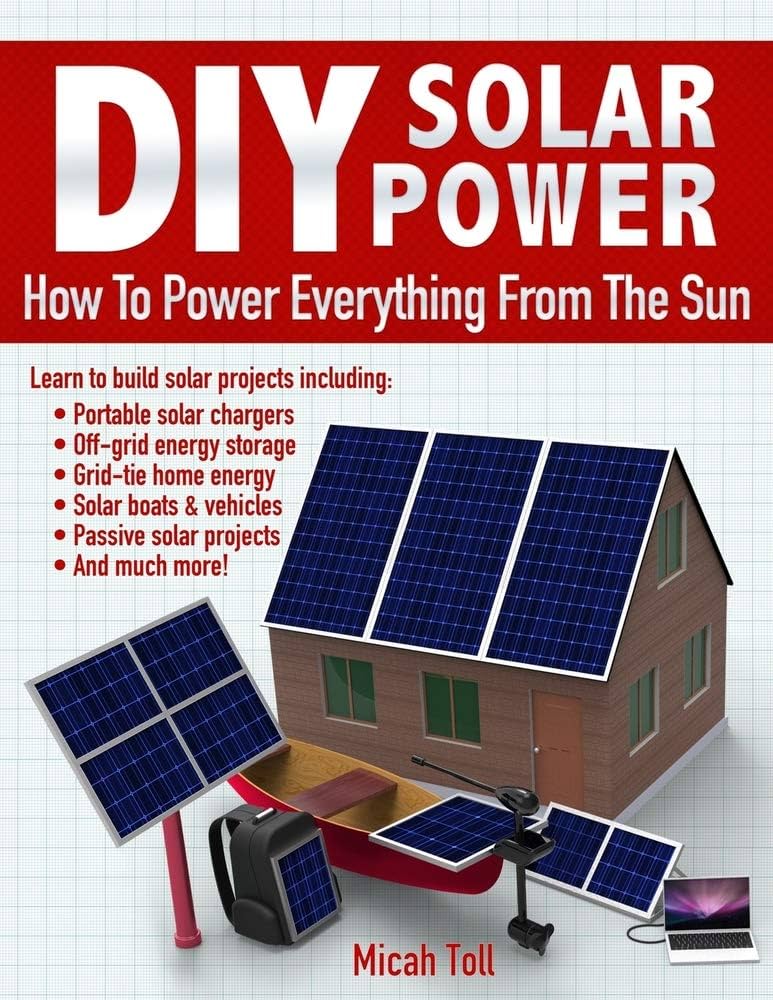
As the world shifts towards a more sustainable future, harnessing solar energy has become an increasingly important aspect of our daily lives. While installing a full-scale photovoltaic system may not be feasible for everyone, integrating solar power into your lifestyle can have numerous benefits.
Understanding Your Energy Needs
Before investing in a DIY solar setup or purchasing a pre-assembled system, it’s essential to determine your actual energy requirements. Take stock of the devices you use on a daily basis, such as:
- Laptops and tablets
- Smartphones and gaming consoles
- E-readers and digital cameras
- LED TVs and streaming devices
Assessing Your Energy Consumption
To estimate your energy needs, consider the following factors:
- Wi-Fi Router: A minimum of 10 watts is required to maintain a stable connection.
- Smartphones: Average power consumption ranges from 5-10 watts.
- Gaming Consoles: Some devices like PlayStation and Xbox can consume up to 200 watts when in use.
DIY Solar Systems: A Cost-Effective Solution
By opting for a DIY solar setup, you can save significantly on costs compared to purchasing a pre-assembled system. The initial investment will depend on the type of devices you want to power and the components required:
- Inverter: A minimum of 100 watts is necessary. Cost: around $25
- Batteries: A 12V, 7Ah battery costs approximately $15
- Solar Panels: The price varies depending on location and efficiency, but a basic system can cost between $60-$80
Benefits of DIY Solar Systems
By embracing a DIY approach, you can enjoy the following advantages:
- Cost Savings: Initial investment is lower compared to purchasing a pre-assembled system
- Customization: Tailor your setup to meet your specific energy needs
- Sustainability: Contribute to reducing carbon emissions and reliance on fossil fuels
Tips for Building Your DIY Solar System
When constructing your DIY solar setup, keep the following in mind:
- Monitor your energy usage: Track your consumption patterns to determine the required components
- Choose efficient devices: Select devices with low power consumption to maximize system efficiency
- Consider your location: Opt for solar panels that can accommodate your region’s sunlight
- Ensure proper installation: Follow safety guidelines and local building codes when installing your solar panel system
Step-by-Step Guide to Building Your DIY Solar System
Step 1: Determine Your Energy Needs
- Assess your daily usage patterns by tracking consumption or estimating based on device power requirements.
- Consider the types of devices you want to power and their average power consumption.
Step 2: Choose Your Components
- Select an inverter that can handle the maximum power requirement of your devices.
- Pick solar panels with a suitable wattage and efficiency rating for your location.
- Consider adding batteries for backup power during periods of low sunlight or extended usage.
Step 3: Design Your System Layout
- Plan the layout of your system to ensure optimal energy generation and minimize losses due to shading or inefficiencies.
- Use wiring diagrams to visualize your setup and make any necessary adjustments.
Step 4: Install Your Solar Panel System
- Follow safety guidelines when handling electrical components and ensure proper insulation.
- Connect your solar panels to the inverter according to the manufacturer’s instructions.
Step 5: Monitor and Maintain Your System
- Track your energy production and consumption using a monitoring system or app.
- Regularly inspect your system for any signs of damage or inefficiency, and make necessary repairs or adjustments.
Common Mistakes to Avoid When Building Your DIY Solar System
- Inadequate sizing: Failing to choose the right components can lead to reduced energy efficiency and increased costs.
- Poor installation: Incorrect wiring or insufficient insulation can compromise system safety and performance.
- Insufficient maintenance: Neglecting regular checks and repairs can result in premature component failure.
Conclusion
By embracing a DIY approach, you can harness the power of solar energy and reduce your reliance on non-renewable resources. With careful planning and consideration of your energy needs, you can create a sustainable and cost-effective solution for powering your devices.
Frequently Asked Questions
Q: How much does it cost to build a DIY solar system?
A: The initial investment depends on the components required, but a basic setup can be constructed for under $100.
Q: What are the benefits of using a DIY solar system?
A: By opting for a DIY approach, you can save costs, customize your setup, and contribute to sustainability.
Q: How do I determine my energy needs for a DIY solar system?
A: Assess your daily usage patterns by tracking consumption or estimating based on device power requirements.
Q: What kind of devices are suitable for a DIY solar system?
A: Choose low-power consuming devices such as smartphones, tablets, and laptops to maximize system efficiency.
Q: Can I use a pre-assembled system instead of building my own?
A: Yes, purchasing a pre-assembled system can be a convenient option, but the initial investment may be higher.


