
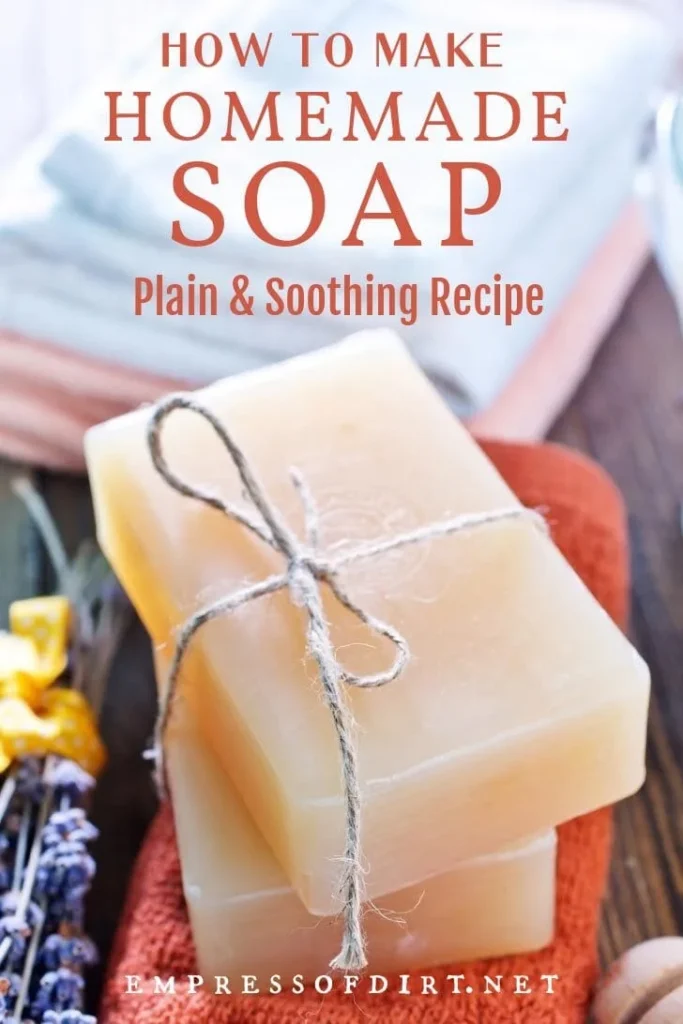
Sensitive skin requires extra care, and using the right products can make all the difference. When it comes to washing your face, you want to avoid harsh ingredients that can dry out or irritate your skin further. In this article, we’ll guide you through making a simple homemade soap for sensitive skin using natural ingredients that are gentle, balancing, and moisturizing.
Understanding Sensitive Skin
Sensitive skin is prone to eczema, rosacea, and couperose – three common conditions that affect the delicate skin of many people. When washing your face, it’s essential to use a soap-free cleanser that doesn’t contain sulfates, alcohol, or artificial fragrances. These ingredients can strip your skin of its natural oils, leading to dryness, irritation, and inflammation.
The Importance of pH Balance
Sensitive skin is particularly sensitive to changes in pH levels. The skin’s natural pH balance is slightly acidic, ranging from 4.5 to 5.5. Soaps that are too alkaline can disrupt this balance, leading to irritation, redness, and dryness. Using a homemade soap that respects your skin’s natural pH balance is crucial for maintaining healthy, sensitive skin.
Why Make Your Own Soap?
Even pharmaceutical products can contain irritating ingredients that might not be suitable for sensitive skin. Making your own soap is a great alternative – you get to choose the natural ingredients, avoid harsh chemicals, and create a product that’s tailored to your specific skin type. By making your own soap, you’ll also be respecting your skin’s natural pH balance.
Benefits of Natural Ingredients
Natural ingredients are gentler on sensitive skin than synthetic ones. Here are some benefits of using natural ingredients in your homemade soap:
- Less Irritation: Natural ingredients are less likely to cause irritation, redness, and dryness.
- Improved Moisturizing: Natural moisturizers like glycerin and cocoa butter help to lock in moisture, leaving skin feeling soft and supple.
- Antibacterial Properties: Certain natural ingredients, such as tea tree oil, have antibacterial properties that can help to combat acne and other skin issues.
Natural Ingredients for Sensitive Skin
When it comes to creating a homemade soap for sensitive skin, we recommend using the following natural ingredients:
- Glycerin: A vegetable compound that cleanses and moisturizes the skin without altering its pH. Glycerin is an excellent ingredient for fighting aging cell degeneration and has calming properties in treating certain epidermal diseases.
- Cocoa Butter: Rich in antioxidants, vitamins, and minerals, cocoa butter prevents cellular aging and elasticity loss. Its solidifying properties make it ideal for preparing homemade soap.
- White, Red, or Pink Clay: These clays regulate sebum production without altering the pH, preventing infections as well. They’re rich in minerals that help balance your skin’s natural oil production.
- Mandarin Oil: A nutritious and affordable product that brings softness and hydration to the skin, calming possible irritations and inflammation. Mandarin oil is ideal for skin with dermatitis, eczema, psoriasis, burn, herpes or scabbing, and scars.
- Lavender Essential Oil: A multi-beneficial product suitable for all skin types, lavender essential oil has regulatory and balancing properties. It also has antibacterial, calming effects, and helps potentiate the other ingredients’ effects.
Benefits of Homemade Soap
Making your own soap allows you to:
- Choose natural ingredients that are gentle on sensitive skin
- Avoid harsh chemicals and artificial fragrances
- Create a product tailored to your specific skin type
- Respect your skin’s natural pH balance
Homemade Soap for Sensitive Skin Recipe
Here’s a simple recipe using the natural ingredients mentioned earlier:
Ingredients:
- 100 grams of glycerin
- 50 grams of cocoa butter
- 30 grams of mandorla oil
- 40 grams of white clay powder (or red or pink)
- 15 drops of lavender essential oil
Instructions:
- Dissolve the Glycerin and Cocoa Butter: Place them in a double boiler, allowing them to dissolve. When they reach a consistency similar to liquid soap, reduce heat.
- Add Mandorla Oil and Clay Powder: Add mandorla oil and clay powder, mixing well.
- Remove from Heat Source: Remove the mixture from the heat source, then add lavender essential oil.
- Pour into a Soap Mold: Pour the mixture into an empty plastic bottle or a soap mold and let it cool down before your soap is ready.
Tips and Variations
- Use a gentle heat when dissolving the glycerin and cocoa butter to avoid melting them.
- Experiment with different essential oils, like chamomile or tea tree oil, for their calming properties.
- Add other natural ingredients like oatmeal or honey for extra moisturizing benefits.
Conclusion
Making homemade soap for sensitive skin is a simple and effective way to nourish your skin without exposing it to harsh chemicals. By using natural ingredients like glycerin, cocoa butter, mandorla oil, white clay powder, and lavender essential oil, you can create a gentle and balancing soap that respects your skin’s natural pH balance. Try this recipe today and discover the benefits of homemade soap for yourself!
FAQs
- What is the best way to store homemade soap?
Store your homemade soap in an airtight container at room temperature to maintain its moisture and shelf life. - Can I customize this recipe with different essential oils?
Yes, you can experiment with various essential oils for their unique benefits and fragrances. - How often should I use homemade soap on sensitive skin?
Use your homemade soap 1-2 times a day, depending on your skin type and needs. - Can I make this recipe in bulk?
Yes, you can easily double or triple the recipe to create larger quantities of soap. - What is the shelf life of homemade soap?
Homemade soap typically lasts for 6-12 months when stored properly. - Is it possible to make a liquid soap using natural ingredients?
Yes, you can create a liquid soap by adding distilled water and gentle surfactants like coconut oil or shea butter to your recipe. - Can I use this recipe on other body parts besides the face?
This recipe is suitable for washing hands, arms, and legs, but you may want to adjust the ingredients depending on the specific skin type and needs of each area. - Is homemade soap as effective as commercial products?
Homemade soap can be just as effective as commercial products if made with high-quality natural ingredients and using proper techniques.


