
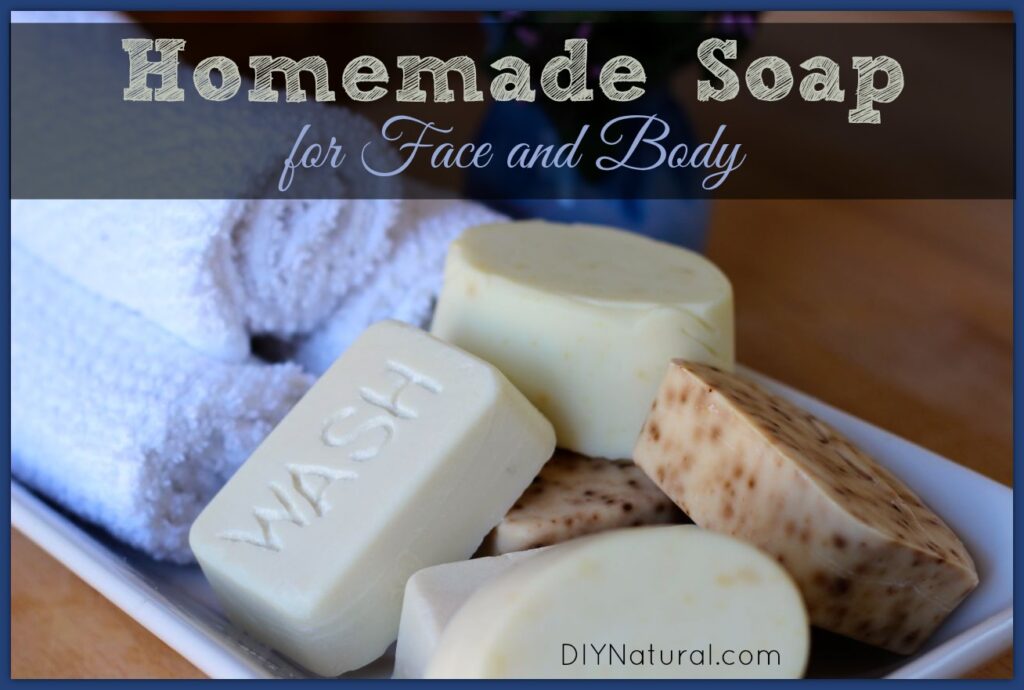
Are you looking for a sustainable and natural way to clean your skin? Making your own soap at home can be a fun and rewarding experience, using natural ingredients that are gentle on the skin. In this article, we will explore four different methods for making saponette (small bars of soap) using natural ingredients.
Why Make Your Own Soap?
Commercial soaps often contain harsh chemicals and artificial fragrances, which can dry out your skin and harm the environment. By making your own soap at home, you can avoid these negative effects and create a soap that is tailored to your specific skin needs.
In addition to being good for your skin, making your own soap also allows you to control the ingredients used, ensuring that your soap is free from synthetic additives and artificial fragrances. Plus, it’s a great way to reduce waste by recycling old soap and using natural ingredients like oils, herbs, and spices.
Benefits of Making Your Own Soap
Making your own soap at home has several benefits, including:
- Customization: You can create a soap that is tailored to your specific skin needs and preferences.
- Cost-effective: Making your own soap can be more cost-effective than buying commercial soaps.
- Environmentally friendly: Using natural ingredients and reducing waste helps minimize the negative impact of soap making on the environment.
- Fun and rewarding: Soap making can be a fun and creative hobby that allows you to express yourself and experiment with new recipes.
Method 1: Using Oils and Lye (Lye)
To make saponette using the lye method, you’ll need to mix together oils such as olive oil, coconut oil, and palm oil with sodium hydroxide (lye) to create a soap base. This method requires some experience and caution, as working with lye can be hazardous.
- Safety precautions: Always wear gloves when handling lye, and make sure to ventilate your workspace well.
- Equipment needed: You’ll need a heat-resistant container, a thermometer, and a soap mold.
- Tips for success: Start with small batches to ensure accuracy in measurements and temperatures.
Method 2: Using Natural Ingredients
If you’re new to making soap or prefer a more straightforward approach, you can use natural ingredients like glycerin, castile soap, and essential oils to create saponette. This method is great for beginners, as it eliminates the need for lye and requires minimal equipment.
- Natural ingredients: Glycerin, castile soap, and essential oils are popular choices for natural soap making.
- Equipment needed: You’ll need a bowl, a spoon, and a soap mold.
- Tips for success: Experiment with different combinations of natural ingredients to find what works best for you.
Method 3: Using Soap Making Kits
For those who want to make soap without getting their hands dirty, there are many pre-made kits available that contain everything you need to make saponette at home. These kits usually include a base ingredient like glycerin, along with fragrances and colorants.
- Soap making kits: Available online or in craft stores.
- Equipment needed: A bowl, a spoon, and a soap mold are the only additional tools you’ll need.
- Tips for success: Follow the instructions carefully, and be patient – it may take some trial and error to get the desired results.
Method 4: Recycling Old Soap
Why not get creative and recycle old soap? By adding the remaining ingredients from your old soap to new batches, you can create a more sustainable and eco-friendly soap making process.
- Old soap: Look for bars with minimal packaging or those that are near their expiration date.
- Ingredients to add: Use glycerin, castile soap, and essential oils to enhance the natural ingredients in your old soap.
- Tips for success: Be careful when mixing old soap with new ingredients – it may affect the consistency of the final product.
Materials Needed:
- Oils (olive oil, coconut oil, palm oil)
- Lye (sodium hydroxide)
- Glycerin
- Castile soap
- Essential oils
- Soap making kit
- Cenere di legna da ardere (charcoal ash) or soda caustica
Instructions:
Method 1: Using Oils and Lye (Lye)
- Mix together the oils in a large bowl.
- Slowly add the lye to the oil mixture, stirring constantly.
- Add water to the mixture and stir until it reaches a consistency similar to thin honey.
- Pour the mixture into a soap mold and allow it to set.
Method 2: Using Natural Ingredients
- Mix together glycerin, castile soap, and essential oils in a bowl.
- Add any desired colorants or fragrances to the mixture.
- Stir until the ingredients are well combined.
- Pour the mixture into a soap mold and allow it to set.
Method 3: Using Soap Making Kits
- Follow the instructions on the kit, which will include a list of required ingredients and equipment.
- Mix together the ingredients according to the instructions.
- Pour the mixture into a soap mold and allow it to set.
Method 4: Recycling Old Soap
- Collect any remaining ingredients from your old soap.
- Add these ingredients to new batches of soap making mixture.
- Follow the instructions for the specific method you’re using.
Tips and Tricks:
- Always use gloves when working with lye, as it can cause skin irritation.
- Make sure to ventilate your workspace well, especially when working with fragrances or essential oils.
- Experiment with different ingredients and methods to find what works best for you.


