
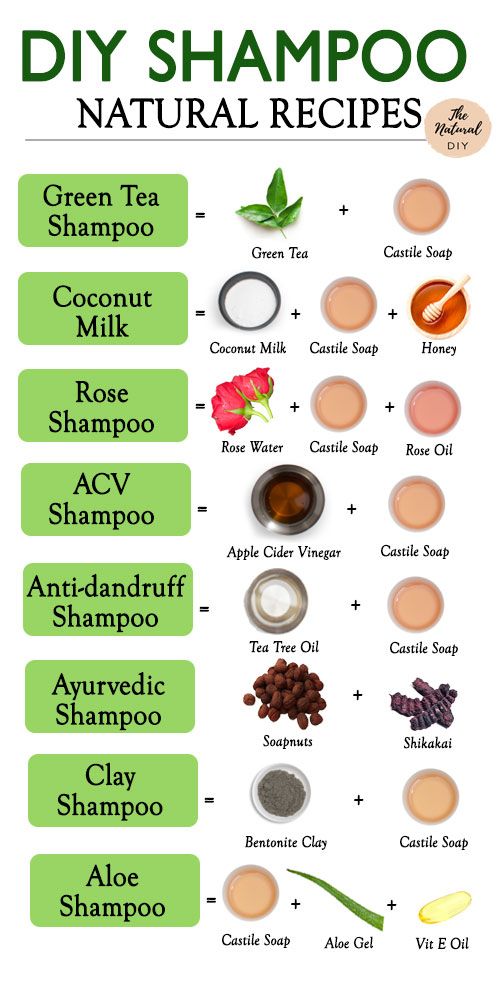
As we continue to prioritize our health and wellbeing, it’s essential to consider the impact of our daily products on our environment. One area where many of us can make a significant change is in our hair care routine. Traditional shampoos often contain harsh chemicals that can strip our hair of its natural oils, leading to dryness, damage, and irritation.
But what if we told you that you can create your own shampoo at home using natural ingredients? Not only will this approach be gentler on your locks, but it will also reduce your exposure to toxins and artificial additives found in many commercial shampoos. In this article, we’ll explore the benefits of making your own shampoo and provide you with three simple recipes to get you started.
Why Make Your Own Shampoo?
Before diving into the world of DIY shampoo-making, let’s talk about why it’s worth considering. Here are just a few compelling reasons:
- Reduced exposure to harsh chemicals: Many commercial shampoos contain sulfates, parabens, and other additives that can cause skin irritation, allergic reactions, and even long-term damage.
- Environmental benefits: By making your own shampoo, you’re reducing the demand for single-use plastics and minimizing the amount of waste generated by the cosmetics industry.
- Customization: With natural ingredients, you have the freedom to create a shampoo that suits your specific hair type and needs.
The Science Behind Shampoo Ingredients
Before we dive into the recipes, let’s take a look at some common shampoo ingredients and their benefits:
- Sulfates: Commonly found in commercial shampoos, sulfates can strip your hair of its natural oils. However, they’re also effective at creating a rich lather.
- Parabens: Parabens are preservatives that help extend the shelf life of your shampoo. They’ve been linked to hormone disruption and skin irritation, but their effects are still being studied.
- Natural oils: Natural oils like coconut oil, olive oil, and jojoba oil can moisturize and nourish your hair.
Shampoo Recipe 1: For Dry or Damaged Hair
This recipe uses gentle, nourishing ingredients to help repair and moisturize dry, damaged hair.
Ingredients:
- 150 ml of distilled water
- 150 ml of natural liquid soap
- 150 ml of aloe vera gel
- 150 ml of linseed oil
Instructions:
- Combine all the ingredients in a bowl and mix until well combined.
- Apply to your hair, which should be damp or slightly dampened with water.
- Leave on for 5 minutes before rinsing thoroughly.
Shampoo Recipe 2: For Oily Hair
This recipe targets oily hair by using an anti-forecasting agent and a gentle exfoliant.
Ingredients:
- 150 ml of distilled water
- 150 ml of neutral liquid soap
- A pinch of jojoba oil
- A tablespoon of apple cider vinegar
- Six cloves of minced garlic
Instructions:
- Combine all the ingredients in a blender and blend until smooth.
- Apply to your hair, which should be damp or slightly dampened with water.
- Leave on for 5 minutes before rinsing thoroughly.
Shampoo Recipe 3: For Color-Treated Hair
This recipe is specifically designed for color-treated hair, helping to preserve the color and vibrancy of your locks.
Ingredients:
- 100 ml of witch hazel
- 50 grams of saponaria root extract
- 10 drops of argan oil
Instructions:
- Combine all the ingredients in a bowl and mix until well combined.
- Apply to your hair, which should be damp or slightly dampened with water.
- Leave on for 5 minutes before rinsing thoroughly.
Tips and Variations
- Customize your shampoo: Experiment with different natural ingredients to create a personalized blend that suits your specific hair needs.
- Use a preservative: If you plan to store your homemade shampoo, consider adding a natural preservative like vitamin E oil or grapefruit seed extract to extend its shelf life.
Conclusion
Making your own shampoo at home is a simple, effective way to take control of your hair care routine. By using natural ingredients and avoiding harsh chemicals, you can create a gentle, nourishing shampoo that suits your specific needs. Whether you’re struggling with dry, damaged hair or oily locks, there’s a DIY shampoo recipe out there for you.
Frequently Asked Questions
- Q: Is it safe to make my own shampoo at home?
A: Yes, making your own shampoo at home is safe as long as you use high-quality natural ingredients and follow proper guidelines. - Q: How do I store my homemade shampoo?
A: Store your homemade shampoo in a clean, sterilized container with a tight-fitting lid. Consider adding a natural preservative to extend its shelf life. - Q: Can I customize my shampoo recipe?
A: Absolutely! Experiment with different natural ingredients to create a personalized blend that suits your specific hair needs.
By embracing the world of DIY shampoo-making, you can take the first step towards a healthier, more sustainable approach to hair care.


