
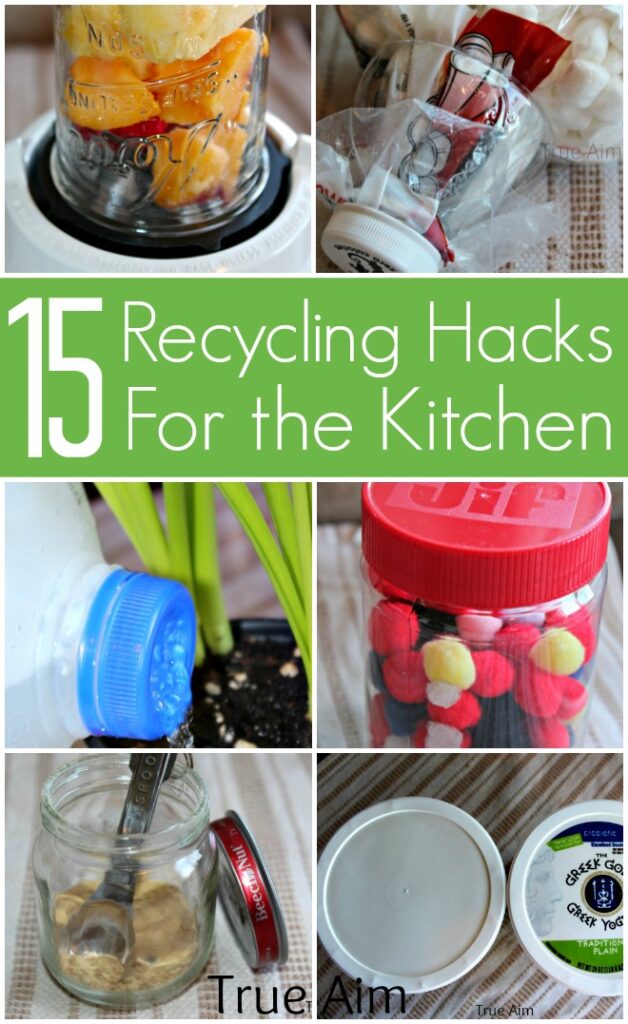
As we continue to face the challenges of climate change, it’s essential that we adopt sustainable practices in our daily lives. One way to do this is by adopting a “riciclo fai da te” (make-do-and-mend) approach, where we creatively repurpose old items instead of throwing them away.
The Benefits of Upcycling
Not only does upcycling reduce waste and minimize the amount of materials needed for production, but it also encourages creativity and resourcefulness. By giving old items a new life, we can:
- Reduce our carbon footprint
- Save money on new purchases
- Develop a more sustainable lifestyle
Upcycling is an excellent way to contribute to reducing greenhouse gas emissions, conserving natural resources, and mitigating the environmental impact of human activities. Additionally, upcycling can be a fun and rewarding hobby that allows us to express our creativity and get involved in reducing waste.
Getting Started with Upcycling
Upcycling requires minimal tools and equipment, making it accessible to anyone. Here are some simple ideas to get you started:
Bottles of All Shapes and Sizes
- Use empty plastic bottles as mini planters for small plants or herbs.
- Cut the bottom off a bottle and use it as a vase for fresh flowers.
- Create a unique planter by decorating the bottle with paint, markers, or stickers.
Bottles are an excellent material to upcycle due to their versatility, durability, and abundance. By repurposing plastic bottles, we can reduce the amount of waste generated in landfills and minimize the environmental impact associated with manufacturing new plastic products.
Jeans: The Ultimate Upcycling Material
- Turn old jeans into reusable bags, purses, or even a quilt.
- Use denim to create a one-of-a-kind rug or wall hanging.
- Repurpose old jeans into a set of cozy throw blankets.
Old jeans are an excellent material for upcycling due to their durability and versatility. Denim is also a sustainable fabric option, as it can be recycled or repurposed in various ways.
Kitchen Utensils with a New Purpose
- Transform an old grater into a unique pendant light fixture or planter.
- Upcycle an old colander into a quirky soap dispenser or bird feeder.
- Give new life to an old strainer by turning it into a macrame plant hanger.
Old kitchen utensils are often forgotten, but they can be repurposed into creative and functional items that add character to your home. By upcycling these items, we can reduce waste, create unique decor pieces, and save money on new purchases.
Food Waste Reduction: Turn Last Night’s Dinner into Today’s Decor
- Use last night’s dinner as a base for your today’s decor. For example, you can turn leftover vegetables into a beautiful centerpiece or use old bread to create a rustic vase filler.
- Upcycle food waste into a delicious meal or snack by getting creative with leftovers.
Food waste is a significant problem globally, and reducing it can have a substantial impact on our environment. By upcycling food waste, we can reduce the amount of organic waste sent to landfills, minimize greenhouse gas emissions, and create new culinary creations from scraps.
Other Creative Projects
- Turn old cardboard tubes into unique planters, bird feeders, or gift cards.
- Use old fabric scraps to create colorful tassels, pom-poms, or other decorative elements.
- Repurpose old maps, book pages, or music sheets into beautiful collages or artwork.
There are countless creative projects that can be upcycled, limited only by our imagination and resourcefulness. By exploring different materials and techniques, we can develop a unique style and add character to our homes while promoting sustainability.
Tips for Successful Upcycling
- Start with what you have: Explore your home and identify items that can be repurposed.
- Get creative: Think outside the box when it comes to upcycling materials and ideas.
- Experiment and iterate: Don’t be afraid to try new things, make mistakes, and adjust your approach as needed.
- Keep it simple: Start with basic projects that require minimal tools and equipment.
- Have fun: Upcycling is a creative process, so enjoy the journey and experiment with different materials and techniques.
Overcoming Common Obstacles
- Lack of inspiration: Browse online tutorials, Pinterest boards, or local crafting communities to find inspiration for upcycling projects.
- Limited resources: Start small and use items you already have on hand before investing in new materials.
- Fear of failure: Remember that mistakes are an essential part of the creative process, and they can often lead to new ideas and insights.
Conclusion:
Upcycling is a simple yet effective way to reduce waste, live more sustainably, and develop creativity and resourcefulness. By creatively repurposing old items, we can save resources, reduce our carbon footprint, and contribute to a more sustainable future for ourselves and our planet.
With these creative ideas for upcycling, you can transform trash into treasure and make a positive impact on the environment. So next time you’re about to throw away an old item, remember that it might just become something new and wonderful!
Frequently Asked Questions:
- What materials are best for upcycling?
-
Old plastic bottles, glass jars, jeans, fabric scraps, cardboard tubes, and other household items that would otherwise end up in landfills.
-
How do I get started with upcycling?
-
Begin by exploring your home and identifying items that can be repurposed. Consider the materials you have available, the space you’re working with, and the creative ideas you want to explore.
-
What are some common mistakes people make when upcycling?
-
Not cleaning or preparing materials properly before using them in a project, not considering safety guidelines when handling sharp objects or materials, and being too focused on perfection rather than creativity and experimentation.
-
Can I sell my upcycled items?
-
Yes! Many people buy upcycled items as unique gifts or for their homes. Consider selling your creations online through platforms like Etsy or eBay, at local craft fairs, or through word-of-mouth.
-
How can I incorporate more sustainable practices into my daily life?
-
Start by making small changes to your daily routine, such as using reusable bags and water bottles, choosing products with minimal packaging, and reducing food waste in the kitchen.
- As you become more comfortable with upcycling, consider expanding your sustainable lifestyle by exploring other eco-friendly habits like reducing meat consumption, conserving energy, or using public transportation.
By embracing upcycling and creative reuse, we can create a more sustainable future for ourselves and our planet. So next time you’re about to throw away an old item, remember that it might just become something new and wonderful!


