
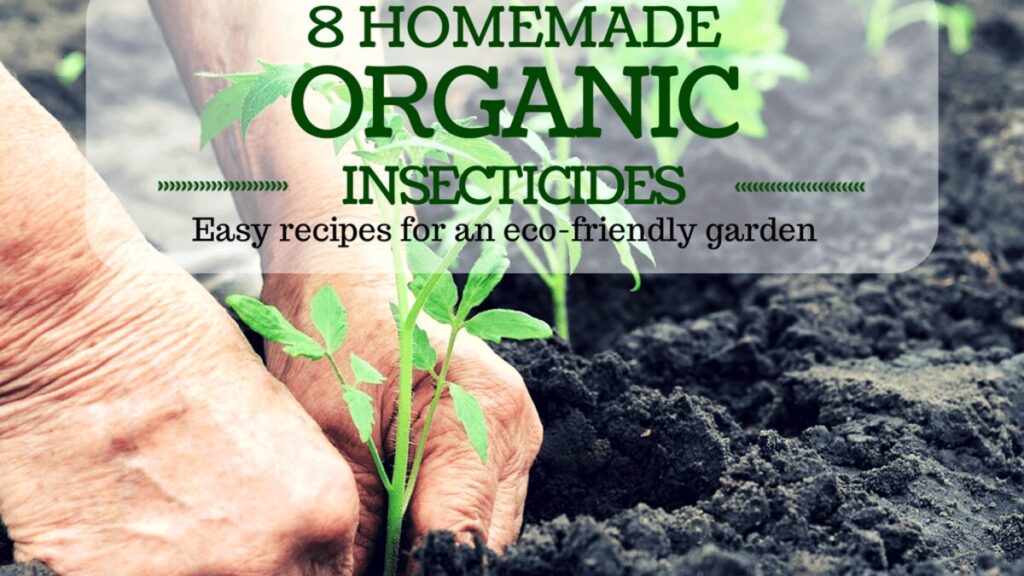
As we strive to maintain a healthy balance in our ecosystems, it’s essential to reconsider our reliance on traditional pesticides. These chemical-based products can have devastating effects on the environment and wildlife. Fortunately, there are numerous natural alternatives available that can help protect your garden without compromising the ecosystem.
In this article, we’ll explore various DIY biodegradable pesticides using common household ingredients. By adopting these methods, you can effectively control pests while preserving the health of our planet.
Understanding the Importance of Natural Pest Control
Traditional pesticides have been widely used to control pests in gardens and agricultural fields. However, their use has raised concerns about environmental pollution, wildlife toxicity, and human health risks. The widespread adoption of natural pest control methods is a necessary step towards creating a healthier and more sustainable ecosystem.
The Benefits of Using DIY Biodegradable Pesticides
DIY biodegradable pesticides offer several benefits over traditional chemical-based products:
- Environmentally friendly: These pesticides are non-toxic and biodegradable, reducing the risk of environmental pollution.
- Human health safe: Unlike traditional pesticides, these natural alternatives do not pose significant risks to human health.
- Cost-effective: Many DIY pesticides can be made using common household ingredients, making them a cost-effective solution for gardeners.
DIY Insecticidal Spray: Repelling Aphids and Whiteflies
To create a simple insecticidal spray, mix the following ingredients in a spray bottle:
- 1 cup water
- 1 tablespoon Castile soap
- A pinch of pepper
- 1 teaspoon garlic powder
- A few leaves of mint
Agitate well and your homemade repellent is ready to use.
Natural Pesticides for Parasites and Fungal Diseases
To combat parasitic infestations and fungal diseases, try these recipes:
- Garlic and Clove Spray: Blend 3 cloves of garlic with 2 cups water and let it sit for a day. Strain the mixture and mix it with 1 cup water. Spray directly on plant leaves.
- Thyme and Clove Infusion: Combine 2 tablespoons thyme, 2 cloves, and 4 cups water in a pot. Bring to a boil, then reduce heat and let steep for an hour. Strain the liquid and use as a foliar spray.
DIY Pesticides Against Aphids, Whiteflies, and Other Pests
To create natural pesticides against specific pests, try these recipes:
- Tomato Leaf Spray: Blend 3 cups tomato leaves with 2 cups water. Let it sit for a day, then strain the mixture and use as a foliar spray.
- Onion and Garlic Spray: Mix 1 cup onion juice, 1/2 cup garlic powder, and 1 cup water. Spray directly on plant leaves to repel pests.
DIY Pesticides Using Common Household Ingredients
Here are some creative ways to utilize common household items as natural pesticides:
- Macerated Tobacco: Soak 3/4 of a cigarette in 1/2 liter of water for 2-3 days. Strain the liquid and use it as an insecticidal spray.
- Lye Solution (Baking Soda): Mix 1 cup baking soda with 10 liters of water. Announce on rose flowers every day to stimulate blooming.
Natural Pesticides Using Organic Materials
To create natural pesticides using organic materials, try these recipes:
- Dung and Compost: Add dung or compost around the base of your plants to provide nutrients.
- Bone Meal: Mix 1 tablespoon bone meal with 10 liters of water. Spray directly on plant leaves to promote growth.
Tips for Effective Use
To ensure the effectiveness of these natural pesticides, follow these tips:
- Always test a small area first before applying any pesticide.
- Wear protective clothing and gloves when handling pesticides.
- Apply pesticides during the early morning or evening hours to minimize exposure to direct sunlight.
- Repeat applications as necessary, following the recommended schedule.
Conclusion
Natural pest control methods using DIY biodegradable pesticides offer a healthier and more sustainable alternative to traditional chemical-based products. By adopting these methods, gardeners can effectively control pests while preserving the health of our planet.


