
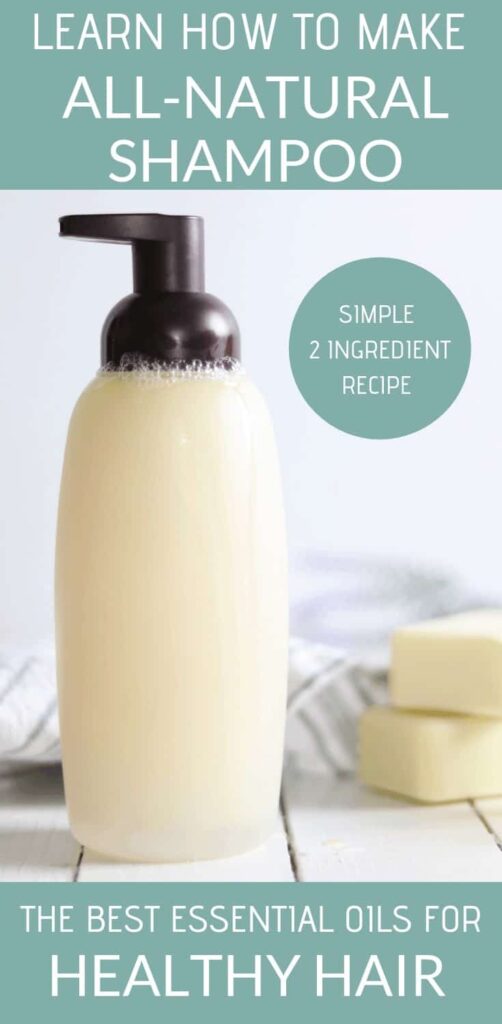
Are you tired of using commercial shampoos that strip your hair of its natural oils, leading to dryness, frizz, and damage? Look no further! Making your own natural shampoo at home is a simple and effective way to achieve healthy, beautiful hair. In this article, we’ll explore various recipes for making your own natural shampoo using ingredients tailored to your specific hair needs.
The Benefits of Natural Homemade Shampoo
Natural homemade shampoo offers several benefits over commercial products. For one, it allows you to control the ingredients used in your shampoo, ensuring that they are free from harsh chemicals and artificial fragrances. This means that your hair will be less prone to irritation, dryness, and damage. Additionally, natural homemade shampoo can be customized to suit your specific hair type, needs, and preferences.
Understanding Your Hair Type
Before we dive into the recipes, it’s essential to understand your hair type. There are four main types of hair: oily, dry, curly, and combination (oily in some areas, dry in others). By identifying your hair type, you can choose the right ingredients for your shampoo recipe.
Oily Hair
If you have oily hair, you’ll want to use a shampoo that helps to balance oil production and reduce greasiness. For this purpose, we recommend using baking soda or sulfur soap in your homemade shampoo recipe.
Shampoo Fai Da Te with Baking Soda
This simple recipe involves mixing one tablespoon of baking soda with a cup of water. The resulting solution can be used as a regular store-bought shampoo. However, please note that baking soda-based shampoo is not suitable for dry hair and may cause irritation.
Tips:
- Use a small amount of baking soda to avoid drying out your scalp.
- Mix the baking soda solution with other ingredients like coconut oil or olive oil to create a moisturizing mask.
Dry Hair
If you have dry hair, you’ll want to use a shampoo that helps to hydrate and nourish your locks. For this purpose, we recommend using cucumber, lemon, or Castile soap in your homemade shampoo recipe.
Shampoo Fai Da Te with Cucumber and Lemon
This refreshing shampoo recipe involves blending cucumber skin, half a lemon juice, and one peeled cucumber until you get a smooth paste. This mixture acts as a natural scrub for dry hair, working on the hair follicle to eliminate dead cells and leave your hair feeling soft and silky.
Tips:
- Use fresh ingredients for the best results.
- Add some jojoba oil or coconut milk to enhance hydration and shine.
Curly Hair
If you have curly hair, you’ll want to use a shampoo that helps to define curls and reduce frizz. For this purpose, we recommend using ingredients like coconut oil, olive oil, or shea butter in your homemade shampoo recipe.
Shampoo for Curly Hair
This recipe involves mixing one cup of homemade Castile soap with 2 tablespoons of apple cider vinegar, 10 drops of Tea Tree essential oil, and a quarter cup of demineralized water. You can also add some coconut milk or jojoba oil to enhance hydration and shine.
Tips:
- Use a gentle massaging motion when applying the shampoo to your scalp.
- Avoid using hot water when rinsing out the shampoo, as this can strip your hair of its natural oils.
Combination Hair
If you have combination hair (oily in some areas, dry in others), you’ll want to use a shampoo that helps to balance oil production and hydrate dry areas. For this purpose, we recommend using ingredients like baking soda or Castile soap in combination with moisturizing ingredients like coconut oil or olive oil.
Shampoo for Combination Hair
This recipe involves mixing one cup of homemade Castile soap with 2 tablespoons of apple cider vinegar, 10 drops of Tea Tree essential oil, and a quarter cup of demineralized water. You can also add some baking soda to help balance oil production.
Tips:
- Use a gentle massaging motion when applying the shampoo to your scalp.
- Avoid using hot water when rinsing out the shampoo, as this can strip your hair of its natural oils.
Additional Tips and Tricks
How often should I use natural homemade shampoo?
Depends on your hair type and needs. For oily hair, you may need to use it daily or every other day. For dry hair, start with 1-2 times a week and gradually increase frequency as needed. For curly hair, use it 1-3 times a week to maintain definition and reduce frizz.
How do I store my natural homemade shampoo?
Store your natural homemade shampoo in an airtight container at room temperature. You can also store it in the refrigerator to prolong its shelf life.
Can I customize my natural homemade shampoo recipe?
Absolutely! Natural homemade shampoo recipes can be customized to suit your specific hair type, needs, and preferences. Experiment with different ingredients and ratios to find the perfect blend for you.
What are some common mistakes to avoid when making natural homemade shampoo?
Common mistakes include using too much of a particular ingredient, not doing a patch test before use, and not following recipe instructions carefully.
How long does it take to make a batch of natural homemade shampoo?
The time it takes to make a batch of natural homemade shampoo depends on the recipe and ingredients used. Some recipes can be made in as little as 10 minutes, while others may require several hours or overnight preparation.
Natural Homemade Shampoo Recipes
Recipe 1: Baking Soda Shampoo
Ingredients:
- 1 tablespoon baking soda
- 1 cup water
- Optional: coconut oil, olive oil, and essential oils for added moisturizing properties
Instructions:
- Mix the baking soda with water to form a smooth paste.
- Apply the shampoo to your scalp and massage gently.
- Rinse thoroughly with warm water.
Recipe 2: Cucumber and Lemon Shampoo
Ingredients:
- 1 peeled cucumber
- Half a lemon juice
- 1 tablespoon olive oil
- Optional: jojoba oil or coconut milk for added hydration
Instructions:
- Blend the cucumber, lemon juice, and olive oil until smooth.
- Apply the shampoo to your scalp and massage gently.
- Rinse thoroughly with warm water.
Recipe 3: Castile Soap Shampoo
Ingredients:
- 1 cup homemade Castile soap
- 2 tablespoons apple cider vinegar
- 10 drops Tea Tree essential oil
- Optional: coconut milk or jojoba oil for added hydration
Instructions:
- Mix the Castile soap, apple cider vinegar, and Tea Tree essential oil in a bowl.
- Add some coconut milk or jojoba oil to enhance hydration and shine.
- Apply the shampoo to your scalp and massage gently.
- Rinse thoroughly with warm water.
Conclusion
Making your own natural shampoo at home is a simple and effective way to achieve healthy, beautiful hair. By choosing the right ingredients and following these recipes, you can create a customized shampoo that suits your specific hair type and needs. Remember to always do a patch test before using any new ingredients, and be patient – it may take some trial and error to find the perfect formula for your hair.
Frequently Asked Questions
Q: What are the benefits of using natural homemade shampoo?
A: Natural homemade shampoo offers several benefits over commercial products, including control over ingredients, reduced irritation, dryness, and damage, as well as customization options tailored to your specific hair type and needs.
Q: How often should I use natural homemade shampoo?
A: Depending on your hair type and needs, you may need to use it daily or every other day for oily hair, 1-2 times a week for dry hair, and 1-3 times a week for curly hair.
Q: Can I customize my natural homemade shampoo recipe?
A: Absolutely! Natural homemade shampoo recipes can be customized to suit your specific hair type, needs, and preferences. Experiment with different ingredients and ratios to find the perfect blend for you.
Q: What are some common mistakes to avoid when making natural homemade shampoo?
A: Common mistakes include using too much of a particular ingredient, not doing a patch test before use, and not following recipe instructions carefully.
Q: How long does it take to make a batch of natural homemade shampoo?
A: The time it takes to make a batch of natural homemade shampoo depends on the recipe and ingredients used. Some recipes can be made in as little as 10 minutes, while others may require several hours or overnight preparation.


