
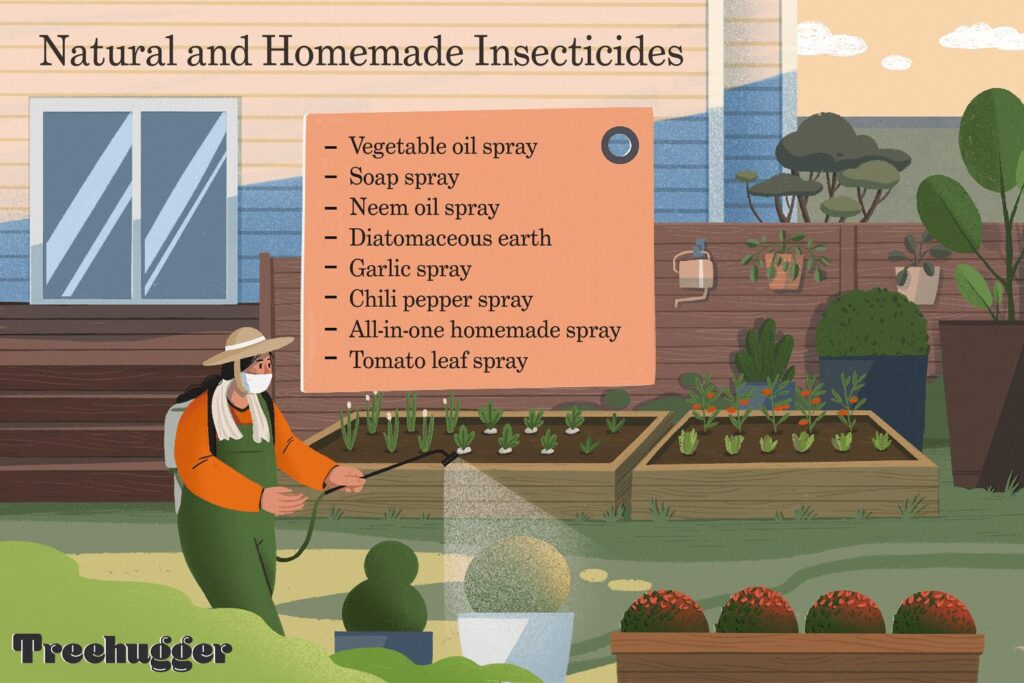
As someone who cares deeply about their own health, as well as the environment and their garden, you can create natural insecticides in your own home to eliminate mosquitoes, flies, ants, fungi, and other pests that threaten your garden and home. In this article, we’ll explore some of the best homemade insecticides to prepare for a healthier home and garden.
Why Choose Natural Pesticides?
Before we dive into the recipes, let’s talk about why natural pesticides are a great alternative to chemical-based products. Not only do they pose fewer risks to human health and the environment, but they’re also more effective and sustainable in the long run. By making your own insecticides, you’ll avoid exposing yourself and others to harsh chemicals that can have serious consequences.
The Benefits of Natural Pesticides
Natural pesticides offer several benefits over chemical-based products:
- Less toxic: Natural pesticides are less likely to cause harm to humans, pets, and wildlife.
- Environmental sustainability: Natural pesticides biodegrade quickly and don’t contribute to soil and water pollution.
- Long-term effects: Chemical-based pesticides can have long-lasting effects on the environment, leading to issues like soil degradation and ecosystem disruption.
Insecticidal Spray Made from Garlic
This garlic-based spray is a popular natural insecticide that repels mosquitoes, flies, and ants. To make it, combine minced garlic with cloves of garlic and dilute them in two cups of water. Let the mixture steep for 24 hours before straining and diluting it further in three liters of water.
Pepper Spray: A Natural Repellent
Believe it or not, peppers contain a natural compound that repels ants, aphids, and other pests. To make this spray, blend one cup of pepper with two cups of water and let it steep for 12 hours before straining and diluting it further.
Tabacco Spray: A Natural Insect Repellent
This simple recipe uses tobacco to repel insects. Simply soak three or four cigarette butts in a half-liter of water, let them steep for 2 days, and then strain the mixture.
Insecticidal Soap Made from Peppers
While peppers make an excellent repellent, they also contain compounds that can kill pests. To make this soap, blend ten peppers with two cups of water and let it steep for 12 hours before straining and diluting it further in two liters of water.
Natural Repellents Against Ants and Flies
Alcohol is a natural insect repellent that can be used to keep ants and flies away from your home. Simply spray the affected area with a mixture of equal parts water and alcohol, or use it as a spray bottle to repel mosquitoes.
The Power of Neem: A Natural Insecticide
Neem oil is a popular natural pesticide that’s effective against a wide range of pests, including mosquitoes, flies, and aphids. To make this insecticide, grow your own neem tree or purchase neem oil from a reputable supplier. Mix the neem oil with water according to the manufacturer’s instructions and apply it to affected areas.
Piretro: A Natural Insecticide and Pesticide
Piretro is a biodegradable pesticide that’s effective against mosquitoes, flies, and other pests. To use piretro, follow the manufacturer’s instructions for application rates and timing. Remember to always wear protective gear when handling this product.
DIY Pest Control for Your Home
To make your home pest-free, try these DIY pest control methods:
- Essential oils: Certain essential oils like tea tree oil, lavender oil, and peppermint oil have natural insect-repelling properties.
- Vinegar spray: Mix equal parts water and white vinegar in a spray bottle to repel ants and other pests.
- Cayenne pepper: Sprinkle cayenne pepper along ant trails or around entry points to deter them.
Pest Control for Your Garden
To keep your garden pest-free, try these DIY pest control methods:
- Bt (Bacillus thuringiensis): A natural bacterium that kills pests like aphids and whiteflies.
- Neem oil: Apply neem oil to affected plants to repel pests and promote healthy growth.
- Diatomaceous earth: A natural powder made from fossilized algae that dehydrates and kills pests.
Conclusion
Making your own insecticides at home can be a simple and effective way to protect your garden and home from pests without exposing yourself or others to harsh chemicals. By choosing natural pesticides like garlic, peppers, tobacco, neem oil, and piretro, you’ll create a healthier environment for everyone involved. Remember to always follow proper safety precautions when handling these products.
Frequently Asked Questions
Q: Are homemade insecticides as effective as commercial ones?
A: Yes, many homemade insecticides are just as effective as commercial products, provided they’re made correctly and used in the right quantities.
Q: Can I use homemade insecticides on all plants?
A: While some homemade insecticides can be used on most plants, others may require special precautions or alternative treatments. Always read labels carefully before using any pesticide, even if it’s homemade.
Q: How often should I reapply homemade insecticides?
A: The frequency of reapplication will depend on the type of pest and the product being used. Always follow the manufacturer’s instructions for application rates and timing.
Q: Can I make homemade insecticides in large quantities?
A: Yes, many recipes can be scaled up or down depending on your specific needs. However, always use caution when handling larger quantities of pesticides, as they can still pose health risks if not handled properly.
Q: Are homemade insecticides safe for pets and children?
A: While some homemade insecticides are generally considered safe for pets and children, others may require special precautions or alternative treatments. Always read labels carefully before using any pesticide, even if it’s homemade.
Q: Can I make homemade insecticides indoors?
A: Yes, many recipes can be made indoors, but always ensure proper ventilation to avoid inhaling fumes or particles from the pesticides.
Q: How long do homemade insecticides typically last?
A: The shelf life of homemade insecticides will depend on factors like storage conditions and ingredients used. Always check expiration dates and follow proper storage procedures to extend their effectiveness.


