
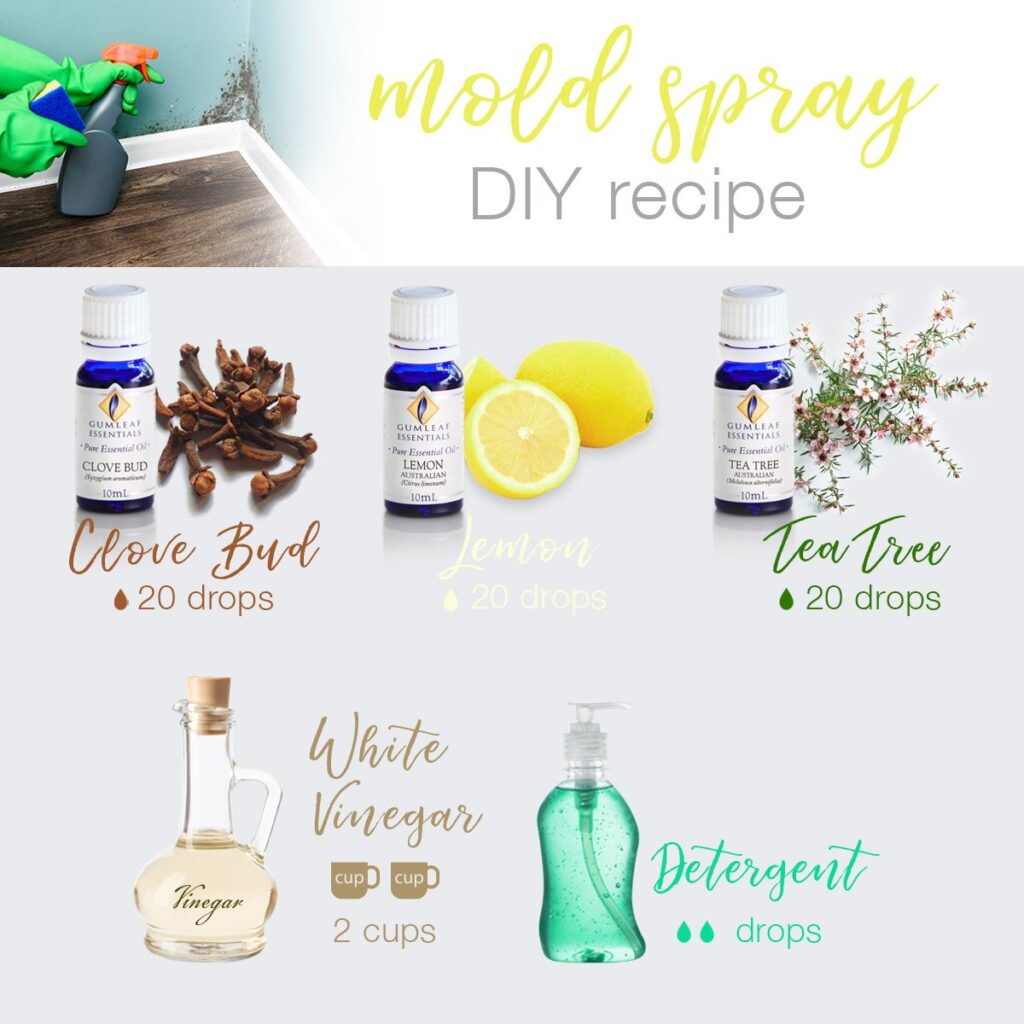
As we navigate the world of home cleaning, it’s easy to get caught up in chemical-laden products that can harm our health and the environment. However, there are many natural alternatives that can effectively eliminate fungal growth without exposing us to harsh chemicals.
In this article, we’ll explore the benefits of using natural antifungals, discuss common ingredients used in DIY remedies, and provide you with simple recipes to tackle mold, mildew, and other fungal issues at home.
Understanding Fungal Growth
Before we dive into the world of natural antifungals, let’s understand what causes fungal growth. Fungi thrive in damp environments, feeding on organic matter and producing spores that can spread easily. This is why it’s essential to identify and address moisture-related issues before attempting to eliminate fungal growth.
Causes of Fungal Growth
Fungal growth can occur due to various reasons, including:
- High humidity: Fungi thrive in humid environments, which is why basements, bathrooms, and kitchens are common areas for mold and mildew growth.
- Water damage: Leaks, floods, or condensation can create an ideal environment for fungal growth.
- Poor ventilation: Inadequate airflow can lead to moisture buildup, creating an environment conducive to fungal growth.
Natural Ingredients for Antifungal Remedies
Here are some common natural ingredients used in DIY antifungal remedies:
- Succulent juice: Lemon, orange, or grapefruit juice can be used as a disinfectant and antiseptic.
- Alcohol: A gentle solvent that can help dissolve fungal spores and prevent their spread.
- Borax: A natural mineral that has fungicidal properties.
- Acetic acid: Found in vinegar, acetic acid can be used to create a homemade antifungal solution.
Benefits of Natural Antifungals
Using natural antifungals offers several benefits:
- Non-toxic: Natural antifungals are gentler on surfaces and the environment compared to chemical-based products.
- Cost-effective: Many natural ingredients can be found in your kitchen or backyard, reducing the need for expensive cleaning products.
- Environmentally friendly: Natural antifungals have a lower environmental impact than chemical-laden products.
Recipe 1: Natural Antifungal Spray
This simple recipe uses water, oxygenated water, and baking soda to create a gentle yet effective antifungal spray:
- 700 ml of water
- 2 tablespoons of oxygenated water
- 2 tablespoons of baking soda
Mix the ingredients in a spray bottle and shake well. Apply the solution directly to affected areas.
Recipe 2: Lavender Antifungal Solution
This natural remedy uses lavender essential oil, alcohol, and lemon juice to create an antifungal solution:
- 100 ml of ethanol
- 15 drops of lavender essential oil
Mix the ingredients in a spray bottle and shake well. Apply the solution directly to affected areas.
Recipe 3: Tea Tree Oil Antifungal Solution
This natural remedy uses tea tree oil, alcohol, and lemon juice to create an antifungal solution:
- 100 ml of ethanol
- 15 drops of tea tree essential oil
Mix the ingredients in a spray bottle and shake well. Apply the solution directly to affected areas.
Tips for Effective Antifungal Remedies
When using natural antifungal remedies, keep the following tips in mind:
- Always test a small area before applying any new remedy.
- Wear gloves when handling borax or other powders.
- Avoid mixing multiple ingredients without proper dilution.


