
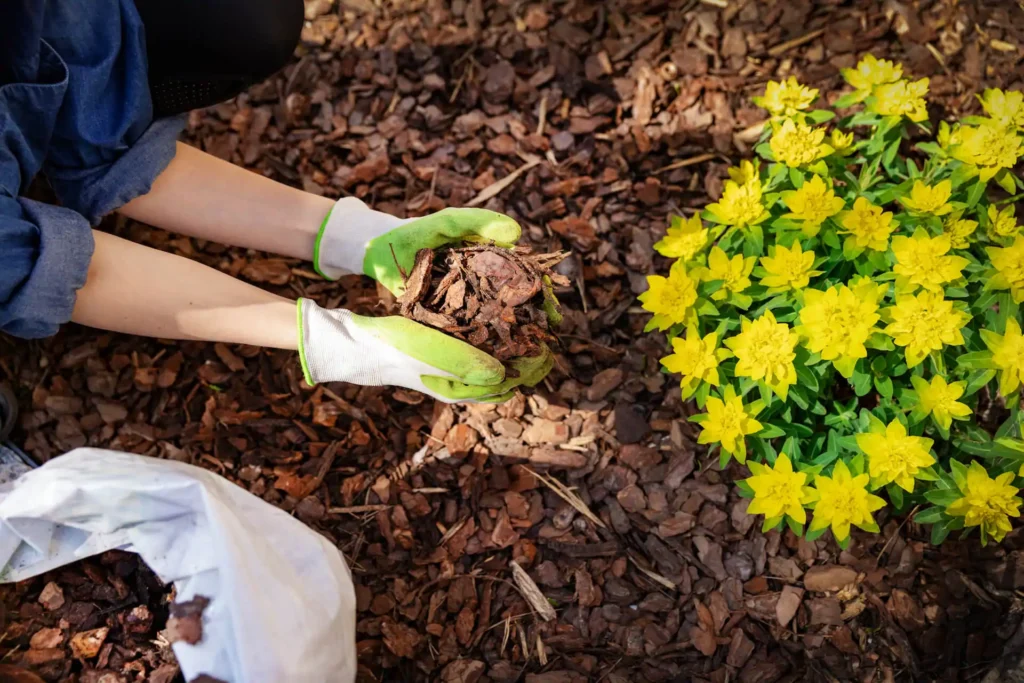
As a gardener, you’re always looking for ways to improve your garden’s health and appearance. One simple yet effective technique is pacciamatura, an Italian method of mulching that can make a significant difference in your garden’s overall well-being. In this article, we’ll explore the world of pacciamatura, its benefits, and how to get started with this easy-to-implement practice.
What is Pacciamatura?
Pacciamatura is a gardening technique that involves spreading a layer of organic material, such as leaves, straw, or wood chips, at the base of your plants. This layer acts as an insulator, protecting the plant’s roots from extreme temperatures and retaining moisture in the soil.
Why Use Pacciamatura?
The benefits of pacciamatura are numerous:
- Protects against frost: A layer of mulch can shield the roots of your plants from frost damage.
- Retains moisture: Mulch helps retain soil moisture, reducing the need for frequent watering.
- Suppresses weeds: A thick layer of mulch can prevent weeds from germinating and competing with your desired plants for water and nutrients.
- Improves soil health: As the mulch breaks down, it adds organic matter to the soil, improving its structure and fertility.
When to Apply Pacciamatura
You can apply pacciamatura at various times of the year:
- Spring: Mulching in the spring helps prepare the soil for new growth.
- Summer: Applying mulch during the summer months can help retain moisture and regulate soil temperature.
- Fall: Mulching in the fall helps protect plants from frost damage as the weather cools down.
- Winter: In areas with mild winters, you can apply a thin layer of mulch to protect your plants from extreme cold.
Creating Your Own Pacciamatura
Making your own pacciamatura is easier than you think. Simply follow these steps:
- Remove any weeds or debris from the area where you’ll be applying the mulch.
- Choose a suitable material, such as leaves, straw, or wood chips.
- Spread the material evenly across the garden bed, leaving a small border around each plant.
- Reapply the mulch as needed to maintain its effectiveness.
Tips for Choosing the Right Materials
When selecting materials for your pacciamatura, keep in mind:
- Biodegradable materials: Choose materials that break down quickly and won’t harm the environment.
- Organic matter: Organic materials like leaves, straw, or wood chips are rich in nutrients and help improve soil health.
- Avoid plastic mulch: Plastic mulch can heat up during the summer months, potentially harming your plants.
Common Mistakes to Avoid
When applying pacciamatura, be aware of these common mistakes:
- Over-mulching: Too much mulch can smother your plants and prevent them from getting enough sunlight.
- Under-mulching: Not enough mulch can leave the soil vulnerable to erosion and weed growth.
- Incorrect placement: Failing to place the mulch around each plant can lead to uneven moisture retention and reduced plant growth.
Maintaining Your Pacciamatura
To keep your pacciamatura effective, follow these tips:
- Reapply mulch as needed: Check your mulch regularly and reapply when necessary.
- Keep the mulch layer thin: A thin layer of mulch is more effective than a thick one.
- Avoid over-watering: Mulch can help retain moisture in the soil, but it’s still important to avoid over-watering your plants.
- Monitor for pests and diseases: Regularly inspect your plants for signs of pests or diseases that may be affected by the mulch.
Conclusion
Pacciamatura is a simple yet effective technique for improving your garden’s health and appearance. By understanding its benefits, choosing the right materials, and applying it correctly, you can create a thriving and beautiful garden that will bring joy to you and your loved ones for years to come.
Frequently Asked Questions (FAQs)
- What is the best time of year to apply pacciamatura?
- The best time to apply pacciamatura depends on your location and climate. In general, it’s best to mulch in the spring, summer, or fall when the weather is cooler.
- Can I use plastic mulch?
- No, it’s not recommended to use plastic mulch as it can heat up during the summer months and potentially harm your plants.
- How often should I reapply pacciamatura?
- The frequency of reapplication depends on factors like climate, soil type, and plant growth. As a general rule, reapply every few weeks or months to maintain its effectiveness.
- What are some common mistakes to avoid when applying pacciamatura?
- Common mistakes include over-mulching, under-mulching, and incorrect placement of the mulch around each plant.
- Can I use a mix of materials for my pacciamatura?
- Yes, using a combination of materials can create a diverse and effective mulch that benefits your plants and soil health.
By following these guidelines and understanding the benefits of pacciamatura, you’ll be well on your way to creating a thriving and beautiful garden that brings joy to you and your loved ones for years to come.


