
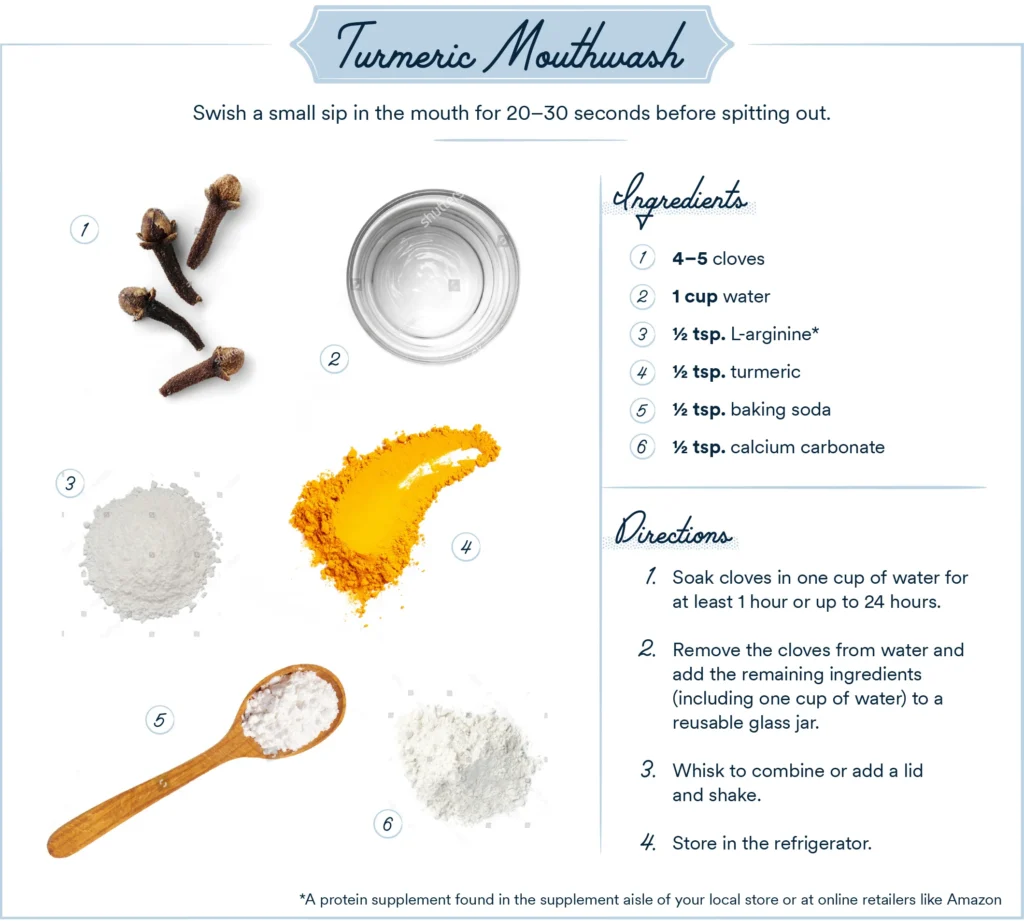
Are commercial toothpastes truly necessary for our oral health, or do they contain hidden dangers that can harm us? In this article, we’ll delve into the world of natural toothpaste and explore its benefits, risks, and recipes.
What’s in Commercial Toothpaste?
Most commercial toothpastes contain triclosan, a chemical antibacterial and antiseptic, which has raised concerns about its impact on human health. Other ingredients like parabens have also been linked to various health issues. On the other hand, natural toothpastes offer a safer alternative.
Triclosan is a synthetic chemical used in many commercial toothpastes to kill bacteria and prevent plaque buildup. However, research has shown that triclosan can cause a range of problems, including antibiotic resistance, hormone disruption, and skin irritation.
Parabens, on the other hand, are preservatives commonly used in commercial toothpastes to extend shelf life. Some studies have linked parabens to breast cancer and reproductive issues.
The Dangers of Commercial Toothpaste
Commercial toothpaste can cause irritation, dryness of the mouth, discoloration, and erosion of teeth. In contrast, a natural toothpaste can be used safely and for an extended period without the potential side effects.
For example, some commercial toothpastes contain sodium lauryl sulfate (SLS), which is known to strip teeth of their enamel and cause irritation in the mouth. Natural toothpastes, on the other hand, often use gentle ingredients like coconut oil and baking soda that are gentler on teeth and gums.
Is Homemade Toothpaste Really Better?
Another aspect to consider is that homemade toothpaste is more affordable! By making your own toothpaste using simple natural ingredients, you can create a product that’s effective, harmless, and tailored to your specific oral health needs.
Making your own toothpaste at home allows you to choose the exact ingredients you want to use and avoid any harsh chemicals or preservatives found in commercial products. You can also customize your recipe to suit your individual needs and preferences.
The Benefits of Natural Toothpaste
A homemade toothpaste made with natural ingredients allows us to disinfect our mouths and improve bad breath without the potential side effects of chemical-based commercial toothpastes. It also helps soothe gum inflammation and gives healthy-looking teeth.
Natural toothpastes can be particularly beneficial for people who have sensitive teeth or gums, as they often use gentle ingredients that are less likely to cause irritation. Additionally, natural toothpastes tend to be free from artificial sweeteners and colors, making them a great option for those with dietary restrictions or preferences.
Exploring Natural Toothpaste Recipes
On this page, we’ll show you some recipes for making your own toothpaste using simple natural ingredients. The preparation doesn’t require any difficulty; it only takes a few steps to get an effective, totally natural, and harmless product for our health.
Tea Tree Oil and Mint Toothpaste Recipe
This homemade toothpaste helps soothe gum inflammation and gives healthy-looking teeth while avoiding unpleasant side effects. Take note!
- Ingredients:
- A small glass container
- 2 drops of peppermint essential oil
- 2 drops of tea tree essential oil
- 150 grams of distilled water
- 1 tablespoon of baking soda
Instructions:
- Pour the distilled water into a container.
- Add the baking soda.
- Add the peppermint and tea tree essential oils.
- Mix everything together, and voilà! Your homemade toothpaste is ready.
Tea tree oil eliminates bacteria and viruses that accumulate in our mouth, while peppermint oil has strong antibacterial properties, making it suitable for those with oral infections.
Cinnamon and Cloves Toothpaste Recipe
This natural toothpaste featuring cinnamon and cloves has antibacterial properties, making it an excellent choice for bad breath.
- Ingredients:
- 250 ml of demineralized water
- 250 ml of peppermint oil
- 5 grams of cinnamon
- 5 grams of whole cloves
Instructions:
- Boil the water in a saucepan.
- Add the remaining ingredients and mix for a few seconds.
- Remove from heat and let it sit for 10 minutes.
- Strain the mixture and store it in the refrigerator in an airtight container.
This natural toothpaste can be used as a spray, and you should always carry some with you if you have bad breath.
Coconut Oil and Peppermint Toothpaste Recipe
Here’s another simple recipe for your homemade toothpaste:
- Ingredients:
- 150 ml of demineralized water
- 2 drops of peppermint essential oil
- A pinch of salt
- 1 tablespoon of coconut oil
Choosing the Right Coconut Oil
It’s best to choose a high-quality, unrefined, and cold-pressed coconut oil (also known as “extra virgin” or “virgin”) for optimal effectiveness. The better the quality, the fewer chemicals it contains.
Where to buy coconut oil?
Coconut Oil Biologico e Puro al 100% by Tiana
Coconut Oil Biologico -Puro al 100% by Mystic Moment
Coconut Oil Vergine Biologico e Puro al 100% by Naissance
Instructions:
- Pour the water into a glass and add the remaining ingredients.
- Mix everything together, then pour the solution into an airtight container.
The Benefits of Natural Ingredients
Grazie alle sue azione antisettica e antibatterica, questo colluttorio fatto in casa è particolarmente indicato per chi soffre di gengive irritate o di carie. Combatte con efficacia i batteri e i virus che proliferano nelle cavità dentali, con conseguente carie e infezioni.
Adding a Personal Touch
If you prefer, you can add a few drops of your favorite essential oil to give yourself a pleasant sensation in the mouth after brushing.
Conclusion: The Future of Oral Health
In conclusion, natural toothpaste offers a safer and more effective alternative to commercial toothpastes. By making your own toothpaste using simple natural ingredients, you can create a product that’s tailored to your specific oral health needs.
Frequently Asked Questions
Q1: Is homemade toothpaste really safe?
A1: Yes, homemade toothpaste made with natural ingredients is generally safe for most people. However, it’s always a good idea to consult with a dentist or healthcare professional before making any changes to your oral hygiene routine.
Q2: Can I use essential oils in my toothpaste?
A2: Yes, essential oils can be added to toothpaste for their antibacterial properties and pleasant scent. Just be sure to choose high-quality, food-grade essential oils and follow the recommended usage guidelines.
Q3: How often should I brush with natural toothpaste?
A3: Brush your teeth at least twice a day, in the morning and before bed, using your natural toothpaste.
Q4: Can natural toothpaste replace mouthwash?
A4: While natural toothpaste can provide some antibacterial benefits, it may not be enough to replace mouthwash. Consider using both as part of your oral hygiene routine for optimal results.
Q5: Is homemade toothpaste suitable for children?
A5: Yes, homemade toothpaste made with natural ingredients is generally safe for children. However, be sure to consult with a pediatric dentist or healthcare professional before introducing any new oral care products to your child’s routine.
Q6: Can I use natural toothpaste if I have sensitive teeth?
A6: Yes, many natural toothpastes are designed specifically for people with sensitive teeth. Look for products that contain ingredients like baking soda and coconut oil, which can help neutralize acid and reduce sensitivity.
Q7: How do I store my homemade toothpaste?
A7: Store your homemade toothpaste in an airtight container at room temperature. Shake the container well before use to ensure the ingredients are evenly mixed.
By following these simple recipes and tips, you can create your own natural toothpaste at home and enjoy a healthier, happier smile!


