
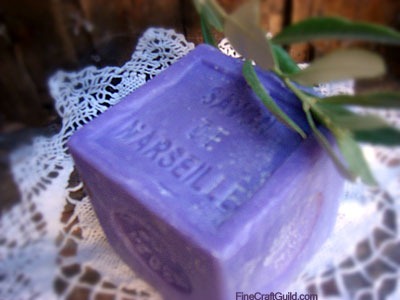
Are you ready to embark on a journey of natural soap-making and unlock the secrets of the world’s oldest detergent? Look no further! In this comprehensive guide, we’ll take you through the process of creating your own Marseille soap from scratch. With caution and attention to detail, you’ll learn how to harness the power of sodium carbonate to craft a nourishing and eco-friendly cleanser for your home.
What You Need to Get Started
Before diving into the nitty-gritty, let’s get familiar with the ingredients you’ll need:
- 1 liter of extra virgin olive oil
- 120 grams of sodium carbonate (also known as soda caustic)
- 300 grams of water
- Gloves
- Safety glasses
- Mask
- Thermometer
- Molds
The Preparation Process
It’s time to begin! To ensure a safe and successful experience, follow these steps carefully:
- Protect Yourself: Before starting, put on your gloves, safety glasses, and mask. You’ll want to protect yourself from any potential splashes or spills.
- Prepare the Water: In a heat-resistant container, combine 300 grams of water with the sodium carbonate. Be cautious, as the mixture will reach temperatures of up to 100°C. Use a thermometer to monitor the temperature, and wait until it cools down to at least 45°C.
- Heat the Oil: In another container, warm the olive oil until it reaches around 45°C.
- Combine the Mixtures: Once both mixtures have cooled, slowly pour the water mixture into the oil mixture while stirring rapidly with an immersion blender.
- Add Essential Oils (Optional): If you prefer, add 20 drops of lavender and chamomile essential oils to the mixture for a calming effect.
- Pour into Molds: Pour the soap mixture into your prepared molds and let it solidify for at least 24 hours.
Tips and Variations
- Always follow safety guidelines when working with sodium carbonate, as it can be hazardous if not handled properly.
- For an added layer of protection, you can wrap the mold in a towel or cloth to prevent overheating.
- Experiment with different essential oils and colorants to create unique soap variations.
The Importance of Aging
As your Marseille soap ages, it becomes even more effective at cleaning and nourishing your skin. Allow it to rest for at least one month before using it, making sure it’s stored in a dry, well-ventilated area away from direct sunlight.
Using Your Homemade Marseille Soap
The possibilities are endless! Here are some creative ways to use your new soap:
- Laundry Day: Use your Marseille soap as a natural detergent substitute by adding 1 tablespoon of the grated soap to your washing machine along with 1 cup of white vinegar and 1 cup of baking soda.
- Color Stain Remover: If you’ve got a stubborn color stain, try using your Marseille soap to lift it away. Simply apply the soap directly to the stain and let it sit for a few minutes before rinsing.
Frequently Asked Questions
Here are some common questions we get asked about making your own Marseille soap:
Q: Is sodium carbonate safe to handle?
A: Yes, but be cautious when handling it, as it can cause skin irritation. Wear gloves and safety glasses to protect yourself.
Q: How long does the soap-making process take?
A: The entire process, from preparation to aging, takes around 2-3 months.
Q: Can I customize my Marseille soap with different colors or scents?
A: Absolutely! Experiment with various essential oils and colorants to create unique soap variations.
Q: Is the soap biodegradable after aging?
A: Yes, due to the natural saponification process, the sodium carbonate becomes biodegradable and non-toxic during the aging process.
Q: Can I share my homemade Marseille soap with others?
A: We recommend waiting at least a month before sharing your soap to ensure it has fully aged and is safe for use by others.
Q: Is making my own Marseille soap more expensive than buying commercial soap?
A: While the initial investment may be higher, using natural ingredients like olive oil and essential oils can lead to cost savings in the long run.
Q: Can I make large batches of Marseille soap?
A: Yes, but keep in mind that larger batches require more space and equipment. It’s recommended to start with smaller batches before scaling up production.
Common Soap-Making Mistakes
To avoid any potential issues during your soap-making journey, be aware of the following common mistakes:
- Insufficient Aging: Allowing your Marseille soap to age for an insufficient amount of time can result in a lower-quality product.
- Inadequate Safety Precautions: Failing to follow safety guidelines when handling sodium carbonate can lead to skin irritation and other health issues.
- Incorrect Temperature Control: Monitoring the temperature of the mixture is crucial, as excessive heat can damage the soap’s texture and stability.
Troubleshooting
If you encounter any issues during your Marseille soap-making process, try these troubleshooting tips:
- Soap Not Solidifying Properly: Check the temperature of the mixture. If it’s too hot, the soap may not solidify correctly.
- Soap Too Soft or Hard: Adjust the aging time to ensure the right level of hardness for your desired product.
- Colorant Issues: Experiment with different colorants and techniques to achieve the desired hue.
Conclusion
With this comprehensive guide, you’re now ready to embark on your own Marseille soap-making journey! Remember to follow safety guidelines, be patient during the aging process, and experiment with different variations to create unique soap recipes. Happy soap-making!
Advanced Soap-Making Techniques
Once you’ve mastered the basics of Marseille soap-making, it’s time to take your skills to the next level with these advanced techniques:
- Adding Exfoliants: Experiment with incorporating natural exfoliants like sugar, salt, or coffee grounds into your soap for added texture and benefits.
- Using Essential Oil Blends: Combine different essential oils to create unique and complex scents that will leave your skin feeling refreshed and revitalized.
- Color-Changing Soap: Use thermochromic pigments to create a soap that changes color with temperature, adding an extra touch of whimsy to your product.
Tips for Large-Scale Production
If you plan to start selling your Marseille soap on a larger scale, keep in mind the following tips:
- Invest in High-Quality Equipment: To ensure efficient and consistent production, invest in top-quality equipment like large mixing tanks and molds.
- Maintain Quality Control: Implement a strict quality control process to ensure every batch of soap meets your high standards.
- Develop a Marketing Strategy: Create a marketing plan that showcases the unique benefits of your Marseille soap and attracts customers.
By following this comprehensive guide, you’ll be well on your way to creating your own Marseille soap at home. Remember to stay patient, keep learning, and always prioritize safety when working with sodium carbonate. Happy soap-making!


