
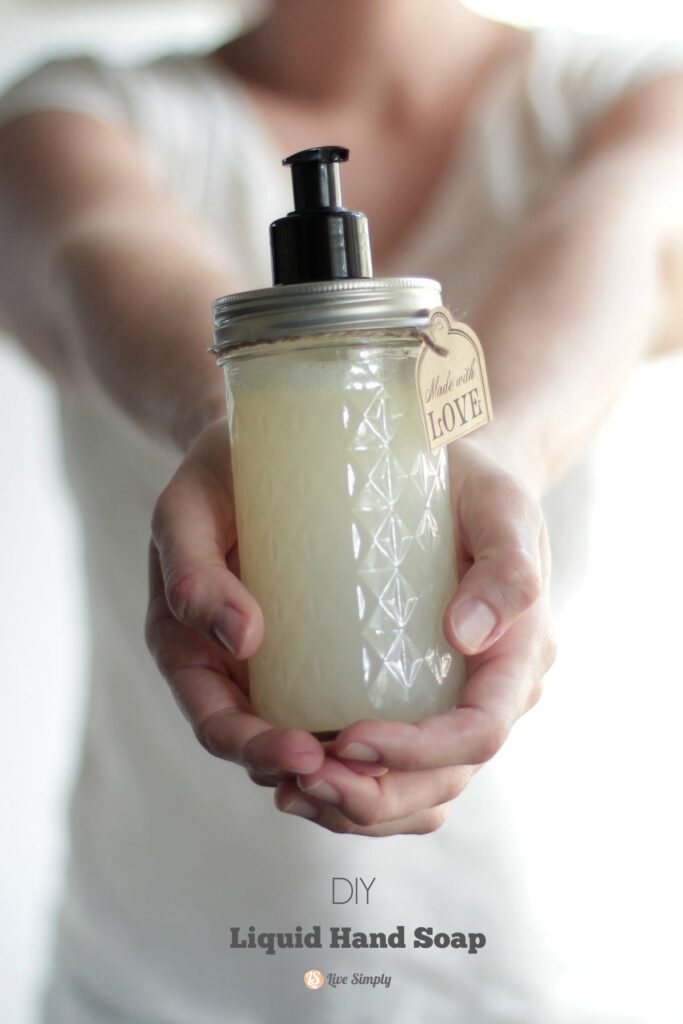
The liquid soap is one of the most popular laundry products among homemakers. Since its introduction, it has become a preferred choice over traditional powdered detergent. Its simplicity in use and the active ingredients that facilitate easy washing of fabrics make it a hit.
Liquid Soap vs Industrial Liquid Soap: What’s the Difference?
While industrial liquid soap is widely available, it contributes significantly to pollution of oceans and rivers! Moreover, its chemical compounds can trigger allergic reactions on human skin. Furthermore, when solidified in sewers, these soaps can cause blockages and plumbing problems.
To avoid these issues, we can create our own natural liquid soap using simple, eco-friendly ingredients at home. This homemade liquid soap is not only budget-friendly but also quick to make.
The Benefits of Natural Liquid Soap
Fortunately, there are 100% natural alternatives that allow us to save money without compromising on health and the environment. By utilizing some amazing natural ingredients in our pantry, we can create an eco-friendly product that is both recyclable and chemical-free.
In this article, we will explore the benefits of making your own liquid soap at home and show you how to do it using simple, easily available ingredients.
What You Need to Make Liquid Soap
The recipe we’ll be sharing with you today guarantees a perfect wash while allowing us to recycle the oil used in cooking. In addition to water and soda caustic, we will also use some eco-friendly soap that can be reused multiple times.
- 1 kg of soda caustica
- 2.2 liters of filtered vegetable oil
- 14 liters of cold water
- 2 liters of natural soap (eco-friendly)
- 500 grams of percarbonate (for white clothes only)
Preparing Liquid Soap: A Step-by-Step Guide
Before you start making liquid soap, choose a well-ventilated space away from pets and children. The garage or the balcony is an ideal location.
Next, put on gloves and protective eyewear to avoid accidents with the ingredients used.
In a large container, mix 3 liters of cold water with soda caustica. Stir thoroughly while avoiding inhaling the vapors produced by the compound.
Once the soda has dissolved in water, add filtered vegetable oil and continue stirring until you get an even mixture. The mixture should have a uniform consistency.
Add natural soap, percarbonate (if required), and aromas (optional) to the mixture. Continue stirring well.
Transfer the liquid soap mixture to a container and let it sit for 24 hours in a dark place. After this time, mix everything again with the help of a wooden stick, add two more liters of water, and leave it to rest for another day.
Repeat the process for six to eight days until the liquid soap achieves a consistency similar to shampoo.
Tips for Making Your Own Liquid Soap
Here are some additional tips that can enhance your homemade liquid soap making experience:
- Monitor Temperature: Maintain the temperature at around 40 degrees Celsius during the mixing process. This will help prevent bacterial growth and ensure stability of your liquid soap.
- Safety Precautions: Always handle soda caustic with care as it can cause burns, and eye protection is highly recommended when working with this chemical.
Benefits for Human Skin
The most significant advantage of making your own liquid soap at home is that you can use natural ingredients to create a gentle and nourishing cleanser for your skin. This type of soap is perfect for individuals with sensitive skin who struggle with commercial products that cause irritation or allergic reactions.
Moreover, the absence of harsh chemicals like sodium lauryl sulfate (SLS) in homemade liquid soaps ensures that you can use this product on your skin without worrying about potential harm to your skin’s health.
Benefits for Environment
When it comes to environmental impact, making your own liquid soap at home is an excellent choice. The ingredients used are eco-friendly and biodegradable, reducing the amount of pollutants released into the environment.
In addition, the use of vegetable oil allows you to recycle kitchen waste, further promoting a sustainable lifestyle.
Alternatives to Commercial Liquid Soaps
Commercial liquid soaps often contain harsh chemicals that can harm both human health and the environment. These chemicals include:
- Sodium Lauryl Sulfate (SLS): This chemical is commonly used in commercial detergents as a foaming agent, however it has been shown to cause skin irritation and allergic reactions.
- Synthetic Fragrances: Many commercial soaps contain synthetic fragrances that can trigger allergies or respiratory issues in some individuals.
Why Choose Natural Ingredients?
When choosing natural ingredients for your homemade liquid soap, there are several benefits to consider:
- No Harsh Chemicals: Natural ingredients like soda caustic and vegetable oil do not contain harsh chemicals that can harm human health or the environment.
- Customizable: When making your own liquid soap at home, you can tailor the recipe to suit your skin type and preferences.
Comparison of Homemade Liquid Soap vs Industrial Liquid Soaps
Here’s a comparison between homemade liquid soaps and commercial products:
| Feature | Commercial Liquid Soaps | Homemade Liquid Soaps |
|---|---|---|
| Ingredients | Synthetic chemicals, fragrances | Natural ingredients (soda caustic, vegetable oil) |
| Environmentally Friendly | No, can pollute waterways and soil | Yes, biodegradable and non-toxic |
| Skin Health | Can cause irritation and allergic reactions | Gentle and nourishing for human skin |
| Cost-Effectiveness | Expensive due to packaging and marketing | Budget-friendly since we use recycled oil |
Conclusion: Benefits of Homemade Liquid Soap
The benefits of making your own liquid soap at home are numerous:
- No need to invest in expensive laundry products
- We can recycle oil used in cooking
- Effective at removing stubborn stains and odors from clothing
In addition, this eco-friendly product is biodegradable and free of toxic chemicals.
Moreover, it’s a versatile product that can be used not only for washing clothes but also for cleaning floors, kitchen surfaces, and other household items.
Lastly, this natural liquid soap is safe to use on human skin without causing allergic reactions or irritation. You can even add acetic acid to your wash load to have an additional deodorizing effect.
So, why wait? Start making your own liquid soap today and enjoy the numerous benefits it offers!
FAQs
Q: Is making my own liquid soap a good idea?
A: Yes, making your own liquid soap is an eco-friendly way to clean clothes without relying on chemicals or industrial products.
Q: What ingredients do I need to make liquid soap at home?
A: You will require soda caustica, vegetable oil, cold water, natural soap, percarbonate (if necessary), and aromas (optional).
Q: How long does it take to make homemade liquid soap?
A: The time required for making liquid soap may vary depending on the consistency you prefer.
Q: Can I use homemade liquid soap for other household tasks like cleaning floors or kitchen surfaces?
A: Yes, this eco-friendly product can be used for multiple purposes beyond laundry.


