
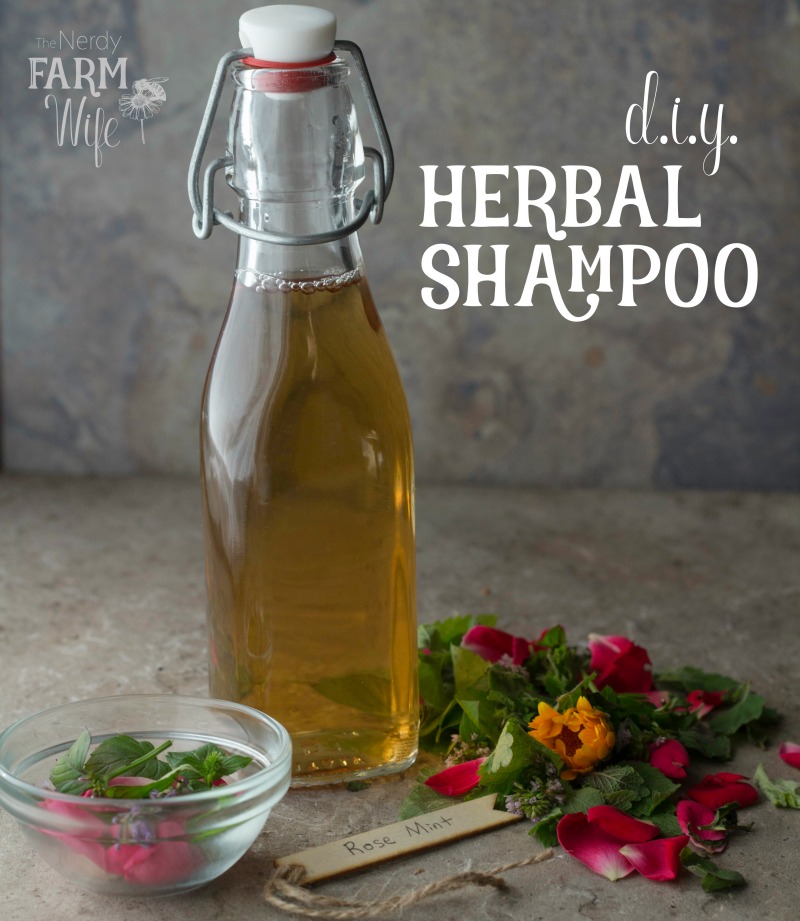
Are you tired of using commercial shampoos that strip your hair of its natural oils, causing damage and dryness? Do you want to have beautiful, clean, and shiny hair without breaking the bank or harming the environment? Look no further than making your own natural shampoo.
The Harsh Truth About Commercial Shampoos
Commercial shampoos are often filled with harsh chemicals that can do more harm than good. These chemicals can strip your hair of its natural oils, leading to dryness, damage, and even dandruff. Moreover, these chemicals end up in the environment, causing irreparable harm to our planet.
The Science Behind Natural Shampoo
Natural shampoos are made from ingredients that work with the body’s natural pH balance, rather than against it. This means that they can help to moisturize and nourish your hair, leaving it feeling soft and looking healthy. In contrast, commercial shampoos often contain harsh chemicals like sulfates, parabens, and artificial fragrances that can dry out your hair and irritate your scalp.
The Benefits of Using Natural Shampoo
Using natural shampoo has a number of benefits for your hair and the environment. Some of these benefits include:
- Moisturizing and nourishing your hair
- Reducing frizz and adding shine to your hair
- Darkening hair color naturally
- Reducing dandruff and itchiness on the scalp
- Reducing waste and environmental harm from commercial shampoo packaging
Three Natural Shampoo Recipes to Try
Here are three recipes for natural shampoos using herbs that you can try:
Shampoo Made with Chamomile
Benefits: Soothes and calms the scalp, reduces dandruff and itchiness
Ingredients:
- 125 ml of water
- 80 ml of fresh chamomile (83 ml)
- 125 ml of neutral shampoo
- 30 ml of glycerin
Instructions:
- Prepare the chamomile as you would prepare a strong tea.
- Let it steep for about 20 minutes, then add it to the shampoo and glycerin mixture.
- Let it sit overnight.
- In the morning, use your natural shampoo as usual.
Shampoo Made with Aloe Vera and Rosemary
Benefits: Nourishes and moisturizes the hair, reduces frizz and adds shine
Ingredients:
- 250 ml of distilled water
- 28 grams of dried rosemary and dried rose petals
- 125 ml of Castile soap liquid
- 3 tablespoons of aloe vera gel
- ¼ teaspoon of jojoba oil
- 30 drops of rosemary essential oil
Instructions:
- Add the rosemary and rose petals to a jar, then pour in boiling water and close it for about 4 hours.
- Let the mixture steep, then strain it and return it to the jar.
- Add the Castile soap, jojoba oil, and rosemary essential oil.
- Finally, add the aloe vera gel.
- Let it sit overnight.
Shampoo Made with Rosemary
Benefits: Darkens hair color, adds shine, and reduces dandruff
Ingredients:
- 250 ml of rosemary
- 10 tablespoons of horsehair (coda cavallina)
- 15 tablespoons of grated saponaria root
- 4 liters of water
- 5 drops of rosemary essential oil
Instructions:
- Combine the rosemary, horsehair, and saponaria root in a metal pot.
- Add the 4 liters of water and bring to a boil.
- Once boiling, cover with a lid and let it cook for 15 minutes.
- Let it steep for an hour.
- Strain the liquid and transfer it to a jar, then add the rosemary essential oil.
Tips and Tricks
- This shampoo is particularly recommended for dark or black hair, as it helps to darken the color and give a healthy shine.
- Using this shampoo regularly can improve the health of your hair in no time, not only cleaning it but also acting as a natural conditioner, leaving your hair shiny and soft. You can use it every day like regular shampoo or as an alternative treatment for 10 days.
Conclusion
Making your own natural shampoo is a simple and effective way to create a healthier hair care routine without breaking the bank or harming the environment. With these three recipes and tips, you’re ready to start making your own natural shampoos using herbs that are gentle on your hair and the planet.
Frequently Asked Questions (FAQs)
- What are the benefits of using natural shampoo?
Natural shampoo can help to moisturize and nourish your hair, reduce frizz and add shine, and even darken hair color. - How do I make my own natural shampoo?
To make your own natural shampoo, simply combine the ingredients listed in each recipe and follow the instructions provided. - What are some common allergens found in commercial shampoos?
Common allergens found in commercial shampoos include sulfates, parabens, and artificial fragrances. - Can I use any herbs to make my own shampoo?
While chamomile, rosemary, and aloe vera are popular ingredients for natural shampoo, there are many other herbs that can be used depending on your hair type and needs. - How often should I use my homemade shampoo?
You can use your homemade shampoo as often or as little as you like, but it’s recommended to use it at least once a week to maintain healthy hair. - Can I store my homemade shampoo in the fridge?
Yes, you can store your homemade shampoo in the fridge to extend its shelf life and keep it fresh. - What are some common mistakes to avoid when making your own natural shampoo?
Common mistakes to avoid include using too much water, not steeping the herbs long enough, and not straining the mixture properly. - Can I use my homemade shampoo on colored hair?
Yes, your homemade shampoo can be used on colored hair, but it’s recommended to do a patch test first to ensure that the ingredients don’t cause any color bleed or fade.
The Future of Natural Shampoo
As consumers become more aware of the harmful effects of commercial shampoos on our environment and health, there is a growing demand for natural and sustainable alternatives. By making your own natural shampoo, you can help to reduce waste, support local farmers, and create a healthier hair care routine.
Making Your Own Natural Shampoo
Making your own natural shampoo is easier than ever. With just a few simple ingredients and some basic kitchen equipment, you can create your own custom shampoos tailored to your specific hair type and needs. Whether you’re looking for a moisturizing, nourishing, or clarifying shampoo, there’s a recipe out there for you.
Conclusion
Making your own natural shampoo is a fun and rewarding experience that allows you to take control of your hair care routine. With these three recipes and tips, you’re ready to start making your own natural shampoos using herbs that are gentle on your hair and the planet. So why not give it a try? Your hair (and the environment) will thank you.


