
As we navigate the ever-evolving landscape of public health, it’s more crucial than ever to understand the importance of hand hygiene. In a world where emergencies like pandemics can strike at any moment, knowing how to create an effective hand sanitizer can be a lifesaver.
But why is washing your hands so essential? The answer lies in the fact that hand washing is one of the most effective ways to prevent the spread of illnesses. By following simple guidelines and using the right ingredients, you can create a natural hand sanitizer that’s just as effective as commercial products.
The Importance of Hand Washing
Hand washing is not just a good habit; it’s a crucial part of preventing the spread of infectious diseases. According to experts, washing your hands with soap and water should be a daily routine, especially after using the bathroom, before eating, and after coming into contact with someone who may be sick.
To do it right, you need to pay attention to detail. Here are some key steps:
- Use warm water and a mild soap that contains anti-viral properties.
- Scrub your hands for at least 20 seconds, making sure to get between your fingers and under your nails.
- Rinse thoroughly with clean water.
- Dry your hands completely.
Disinfectants for Hands
When hand washing isn’t possible, a disinfectant can be your next best option. Alcoholic-based hand sanitizers are effective against a wide range of viruses, including coronaviruses like COVID-19.
However, not all hand sanitizers are created equal. Look for products that contain at least 60% alcohol and follow the instructions carefully.
Here’s what you need to know:
- Apply enough sanitizer to cover your hands completely.
- Rub it in thoroughly, making sure to get between your fingers and under your nails.
- Wait a few seconds before touching anything or anyone else.
Creating Your Own Hand Sanitizer
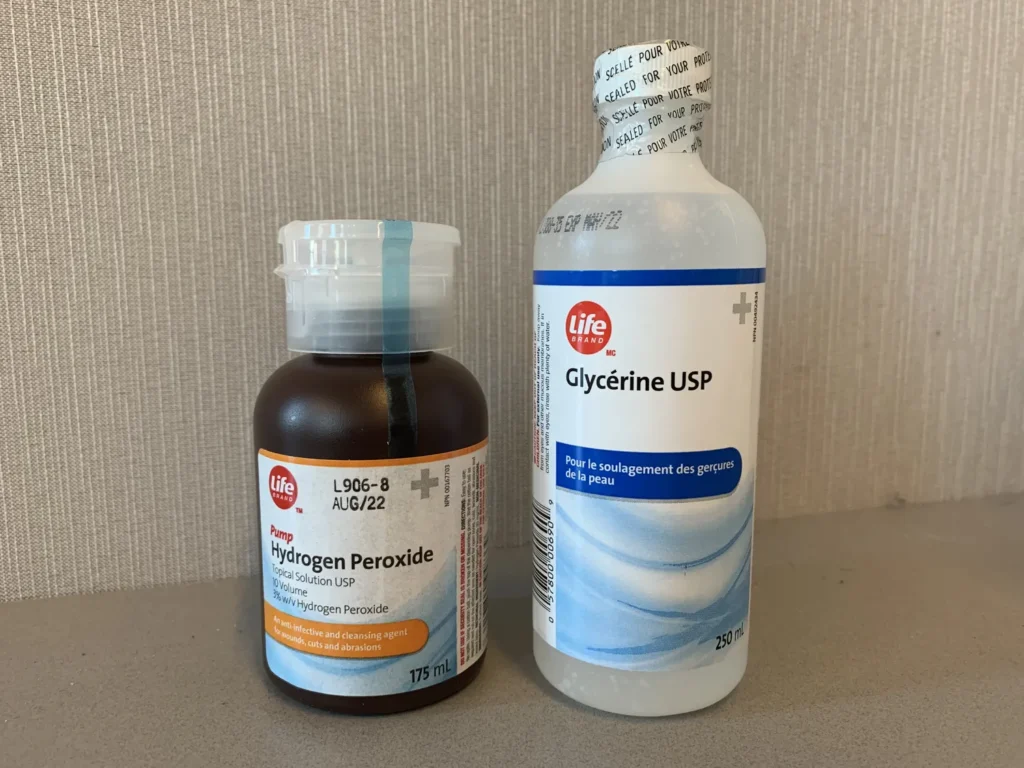
With the right ingredients and some basic equipment, you can create your own natural hand sanitizer. Here’s a recipe inspired by the World Health Organization (WHO):
Ingredients:
- 135 ml of 96% ethanol (the “white” alcohol used in liquor production)
- 8.5 grams of oxygenated water at 3%
- 3 grams of glycerin or glycerol
- Distilled water
Instructions:
- Combine the ethanol, oxygenated water, and glycerin in a clean container.
- Add distilled water to achieve a total volume of 200 ml.
- Stir well and let it sit for at least 72 hours before using.
Tips and Variations
While this recipe is effective, you can adjust the ingredients to suit your needs. Here are some tips:
- Scale up the recipe as needed to create larger quantities of hand sanitizer.
- Store your homemade hand sanitizer in a cool, dry place to maintain its potency.
- Consider using alternative ingredients, like tea tree oil or eucalyptus extract, for added benefits.
Common Mistakes and Precautions
Here are some common mistakes people make when making their own hand sanitizer and what you can do instead:
- Using the wrong ingredients: If you’re unsure about which ingredients to use or how much of each one to add, it’s best to consult with a healthcare professional or follow an established recipe.
- Not following instructions correctly: To ensure your hand sanitizer is effective and safe, always follow the instructions carefully and take necessary precautions.
- Sharing the product: Homemade hand sanitizer should not be shared with others. This can help prevent the spread of germs and illnesses.
Using Your Hand Sanitizer Effectively
To get the most out of your homemade hand sanitizer, here are some additional tips:
- Use it as directed: Always follow the instructions for use and make sure to apply enough product to cover all surfaces.
- Clean hands thoroughly before using: Before applying your homemade hand sanitizer, wash your hands with soap and water to remove any dirt or germs.
- Store it safely: Keep your homemade hand sanitizer in a cool, dry place and out of reach of children.
Conclusion
With this DIY recipe and some basic knowledge, you can create an effective natural hand sanitizer that’s just as good as commercial products. By following the guidelines and tips outlined above, you’ll be able to create a reliable product that will help protect you and those around you from germs and illnesses.
Stay healthy, stay informed!
FAQs:
-
Is it safe to use homemade hand sanitizer on children?
Children under a certain age may not be able to properly apply or understand the importance of using hand sanitizer. Always check with a healthcare professional before using any new product on young children.
2. Can I make my own hand sanitizer without alcohol?Yes, there are alternative ingredients that can provide similar disinfectant properties. However, these alternatives may not be as effective against all viruses and bacteria.
-
How often should I use homemade hand sanitizer?
Follow the same guidelines for commercial hand sanitizers: use it after washing your hands with soap and water or when you can’t wash your hands thoroughly.
4. Can I share my homemade hand sanitizer with others?No, homemade hand sanitizer is not meant to be shared. This product is intended for individual use only.
5. What are some common mistakes people make when making their own hand sanitizer?Common errors include using the wrong ingredients, failing to mix well, or not following instructions correctly.
-
How long does homemade hand sanitizer last?
The shelf life of your homemade hand sanitizer will depend on storage conditions and how well you’ve mixed the ingredients.
-
Can I use my homemade hand sanitizer on surfaces other than skin?
No, homemade hand sanitizer is intended for direct skin contact only.
8. What are some potential side effects of using homemade hand sanitizer?Allergic reactions to certain ingredients or irritation from improper usage can occur.


