
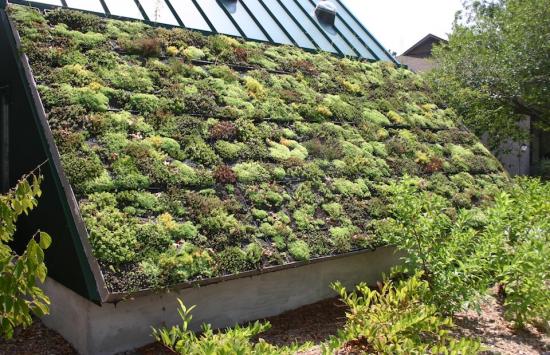
As we strive to create more sustainable and environmentally friendly living spaces, green roofs have become an increasingly popular choice. These roofs not only provide numerous benefits for the environment, but also enhance the aesthetic appeal of buildings and increase their value. In this article, we will explore the advantages of installing a green roof, discuss the common misconceptions surrounding them, and provide a step-by-step guide on how to create your own.
What is a Green Roof?
A green roof is essentially a rooftop covered with vegetation, which can be either live plants or sedums (drought-tolerant succulents). These roofs have been used for centuries in various parts of the world, and their popularity has grown significantly over the past few decades due to increasing concerns about climate change and urban heat islands.
Benefits of Green Roofs
So, why should you consider installing a green roof on your home? Here are some compelling reasons:
- Water Conservation: Green roofs can absorb up to 70% of rainfall, reducing stormwater runoff and alleviating pressure on drainage systems.
- Energy Efficiency: The vegetation on a green roof helps regulate the building’s temperature, reducing energy consumption and costs.
- Air Quality Improvement: Green roofs produce oxygen, filter pollutants, and reduce noise pollution.
- Increased Property Value: Installing a green roof can increase your property value by up to 10%.
- Noise Reduction: The vegetation on a green roof helps absorb sound, creating a more peaceful living environment.
Can I Install a Green Roof Myself?
While it’s possible to install a green roof yourself, it’s not always recommended. Here are some things to consider:
- Structural Integrity: Ensure that your building’s structure can support the weight of the green roof.
- Drainage System: A proper drainage system is essential to prevent water accumulation and ensure the health of your plants.
- Professional Guidance: Consult with a professional to determine the best type of vegetation for your climate and ensure compliance with local regulations.
Common Misconceptions About Green Roofs
Before we dive into the installation process, let’s address some common misconceptions about green roofs:
- Pendence Angle: A pendence angle of 10° or less is generally considered safe for installing a green roof.
- Weight Capacity: The weight capacity of your building’s structure will determine what type of vegetation and materials can be used.
Step-by-Step Guide to Creating a Green Roof
Now that we’ve covered the basics, here’s a step-by-step guide on how to create your own green roof:
- Choose Your Vegetation: Select plants that are suitable for your climate and require minimal maintenance.
- Design Your Roof: Create a design that takes into account factors like drainage, sunlight, and wind direction.
- Install the Membrane: A waterproof membrane will prevent water from accumulating on your roof.
- Add Substrate and Plants: Fill in the substrate with soil and plants, ensuring proper drainage and support for your vegetation.
Choosing the Right Vegetation
Selecting the right type of vegetation is crucial to ensure the success of your green roof. Here are some factors to consider:
- Climate: Choose plants that thrive in your local climate.
- Moisture Levels: Select plants with similar moisture requirements.
- Light Exposure: Ensure that your chosen plants receive sufficient light exposure.
Popular Green Roof Vegetation Options
Here are some popular green roof vegetation options, including their benefits and drawbacks:
- Sedums (Drought-Tolerant Succulents): Sedums are ideal for dry climates and require minimal maintenance.
- Creeping Thyme: Creeping thyme is a low-maintenance option that thrives in sunny conditions.
- Wildflowers: Wildflowers add color and beauty to your green roof, but may require more maintenance.
Conclusion
Creating a green roof is a rewarding project that not only benefits the environment but also enhances the aesthetic appeal of your home. By understanding the advantages and misconceptions surrounding green roofs, you can make an informed decision about whether or not to install one on your property. With the right guidance and planning, you can create a thriving ecosystem that brings joy and sustainability to your living space.
Frequently Asked Questions
- What is the ideal climate for installing a green roof?
- How much weight can my building’s structure support?
- Can I use any type of vegetation on my green roof?
- How often should I maintain my green roof?
- Are there any local regulations or permits required to install a green roof?
- Can I install a green roof on a flat surface?
- What is the cost of installing a green roof?
- Is it possible to have a green roof with a skylight?


