
As the world becomes increasingly aware of its environmental impact, many of us are looking for ways to reduce our carbon footprint. One simple change we can make is to switch from commercial glass cleaners to a homemade version using natural ingredients. In this article, we’ll explore how to create an eco-friendly glass cleaner that’s free from harsh chemicals and effective at removing algae and streaks.
The Problem with Commercial Glass Cleaners
Commercial glass cleaners often contain substances like ammonia, bleach, or quaternary ammonium compounds (quats) that can be toxic to humans and the environment. These chemicals can also leave behind residues on surfaces, making them less effective in the long run. Furthermore, many commercial glass cleaners rely on solvents like gasoline or petroleum-based products, which contribute to air pollution.
The Solution: A DIY Glass Cleaner Recipe
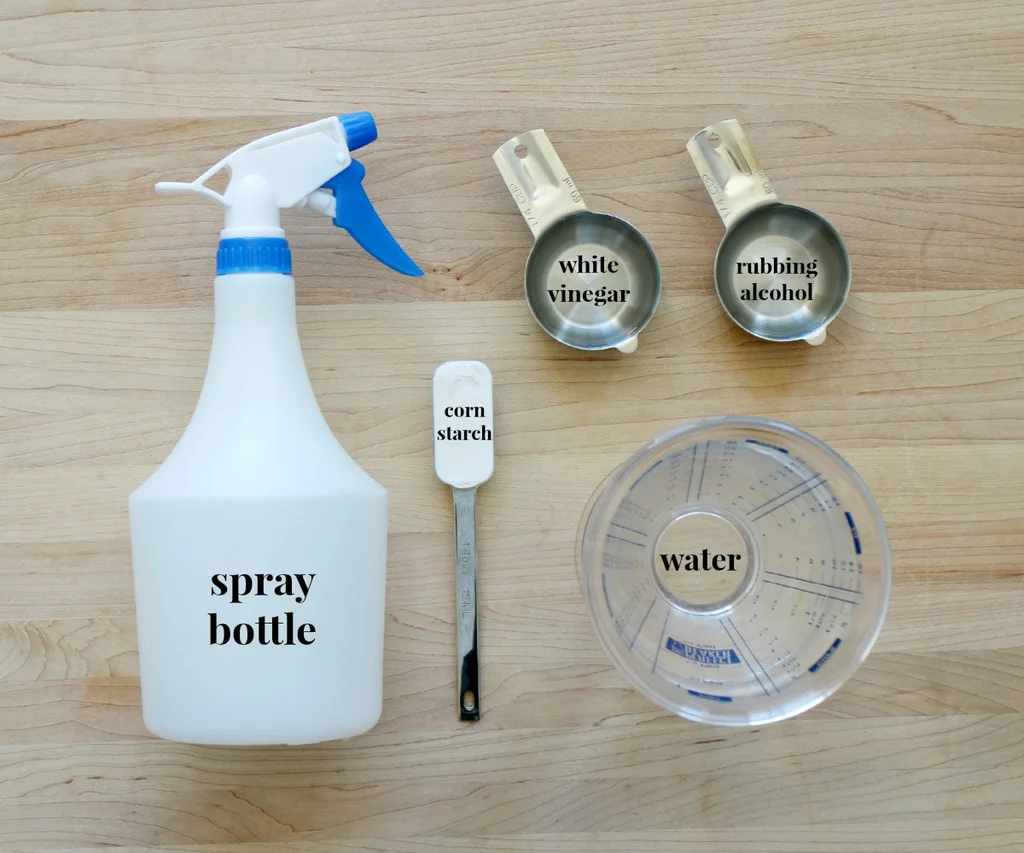
Fortunately, it’s easy to create a homemade glass cleaner using natural ingredients that are biodegradable and non-toxic. Our recipe uses a combination of water, acetic acid, and ethanol to effectively clean glass surfaces without leaving behind any harsh residues.
Ingredients:
- 600 ml of water
- 200 ml of white vinegar (acetic acid)
- 200 ml of rubbing alcohol (ethanol)
- A spray bottle with an eco-friendly sprayer
Tips Before You Start:
Before you begin, make sure to clean your spray bottle thoroughly by rinsing it with hot water and letting it air dry. This will ensure that any residue from previous cleaning products doesn’t affect the performance of our homemade glass cleaner.
Preparing the DIY Glass Cleaner Recipe:
To prepare our eco-friendly glass cleaner, simply mix the water, acetic acid, and rubbing alcohol in a container. Stir well to combine the ingredients, then transfer the mixture to your spray bottle.
Labeling Your Homemade Glass Cleaner:
Don’t forget to label your homemade glass cleaner with its contents so you can easily identify it from other cleaning products in your household.
Using Your DIY Glass Cleaner:
To use your eco-friendly glass cleaner, simply spritz a small amount onto the glass surface and wipe clean with a lint-free cloth or paper towel. Be sure to cover the entire surface area, including any stubborn stains or streaks.
Tips for Effective Cleaning:
For optimal results, make sure to:
- Use a microfiber cloth or paper towel to prevent streaks and residue buildup
- Avoid using your DIY glass cleaner in direct sunlight, as this can cause the solution to evaporate too quickly
- Regularly clean windows and mirrors to prevent algae growth
Additional Eco-Friendly Cleaning Recipes:
If you’re interested in creating more eco-friendly cleaning products, consider trying our recipes for:
- All-purpose cleaners
- Dish soap
- Laundry detergent
- And many more!
Benefits of a Homemade Glass Cleaner:
By using our DIY glass cleaner recipe, you can enjoy several benefits, including:
- Reduced exposure to harsh chemicals and toxins
- Lower carbon footprint due to the use of natural ingredients
- Cost-effective alternative to commercial glass cleaners
- Customizable recipe tailored to your specific cleaning needs
Eco-Friendly Glass Cleaner vs. Commercial Options:
To put our DIY glass cleaner recipe into perspective, let’s compare it to some popular commercial options:
- Windex Original Glass Cleaner (approx. 10% acetic acid): This commercial glass cleaner contains a range of chemicals, including quats and solvents.
- Method Squirt + Mop Glass Cleaner (approx. 20% acetic acid): While this product is eco-friendly, it still contains some harsh chemicals and artificial fragrances.
Safety Precautions:
Before using our DIY glass cleaner recipe, make sure to:
- Wear gloves when handling the solution to prevent skin irritation
- Avoid mixing our homemade glass cleaner with other cleaning products or chemicals
- Keep out of reach of children and pets
Conclusion:
Making the switch to a homemade glass cleaner is an easy and effective way to reduce your environmental impact while maintaining clean and streak-free windows. By using natural ingredients like acetic acid and rubbing alcohol, we can create a product that’s not only eco-friendly but also non-toxic.
Frequently Asked Questions:
Q: Will this DIY glass cleaner leave streaks or residue on my surfaces?
A: When used correctly with a lint-free cloth or paper towel, our homemade glass cleaner should not leave behind any streaks or residues.
Q: Can I use this recipe for other cleaning tasks, like wiping down countertops or cleaning my mirrors?
A: While our DIY glass cleaner is versatile, it’s best suited for surfaces that require a gentle, non-abrasive cleaning solution. For tougher jobs, consider using a different eco-friendly cleaning product.
Q: How long does this recipe take to prepare and clean up?
A: Our homemade glass cleaner requires minimal preparation time, and cleanup is simple – just rinse the spray bottle with hot water and let it air dry.
Q: Is this recipe suitable for all types of glass surfaces, including tinted or coated glass?
A: For tinted or coated glass surfaces, be sure to test our DIY glass cleaner on a small area first to ensure compatibility. If you’re unsure, consider consulting the manufacturer’s recommendations.
Q: Can I reuse old spray bottles instead of buying new ones?
A: Absolutely! Simply clean and rinse your reusable spray bottle before filling it with our eco-friendly glass cleaner recipe.
Q: Is this DIY glass cleaner suitable for people with sensitive skin or allergies?
A: Our homemade glass cleaner is non-toxic and hypoallergenic, making it a great option for those who are sensitive to harsh chemicals. However, if you have specific concerns or allergies, be sure to perform a patch test before using our recipe.
Q: Can I customize this recipe to suit my personal preferences?
A: Yes! Feel free to adjust the ratio of water to acetic acid and rubbing alcohol to your liking, or experiment with different natural ingredients to create a unique cleaning solution that works best for you.


