
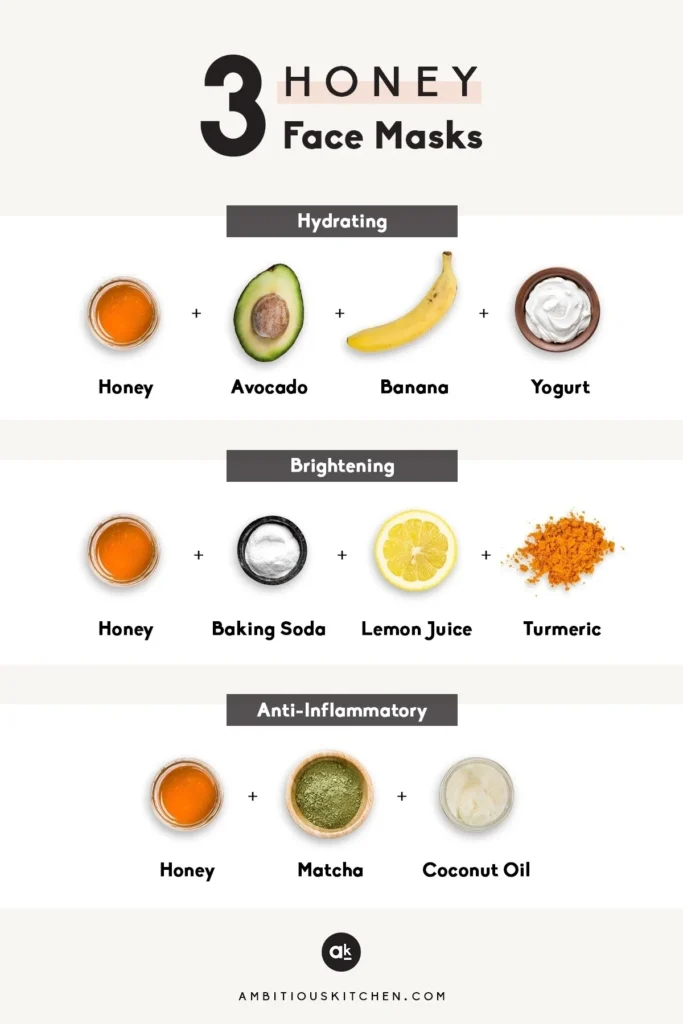
As we navigate the world of skincare, it’s easy to get caught up in the hype surrounding commercial face masks. But have you ever considered creating your own face mask at home? Not only can this be a cost-effective and environmentally friendly option, but it also allows you to customize the ingredients to suit your skin type and concerns.
In this article, we’ll explore the benefits of DIY face masks and delve into three simple recipes using natural ingredients. We’ll cover topics such as the properties of papaya, the importance of exfoliation, and provide tips for achieving optimal results.
Why Choose Natural Ingredients?
Commercial face masks often contain a cocktail of harsh chemicals that can do more harm than good to our skin. By opting for natural ingredients, you’re not only reducing your exposure to toxic substances but also nourishing your skin with antioxidants and essential fatty acids.
Papaya, in particular, is a powerhouse ingredient that boasts impressive properties for the skin. With its high concentration of beta-carotene, vitamins A and E, and papain, an enzyme that gently exfoliates the skin, papaya makes an excellent base for DIY face masks.
The Benefits of Papaya
Papaya’s benefits for the skin are numerous:
- Antioxidant properties: Help to neutralize free radicals, reducing inflammation and promoting cell turnover.
- Exfoliation: Gently remove dead skin cells, revealing brighter, smoother skin.
- Hydration: Provide essential moisture, leaving skin feeling soft and supple.
Now that we’ve covered the benefits of papaya, let’s move on to our three DIY face mask recipes.
Recipe 1: Papaya and Avocado Mask
A classic combination that’s as soothing as it is nourishing.
Ingredients:
- 2 tablespoons of mashed papaya
- 1 tablespoon of mashed avocado
- 1 teaspoon of honey
- 1 teaspoon of yogurt
Instructions:
- Mix all ingredients together until you achieve a smooth, consistent paste.
- Apply to the skin for 10-15 minutes.
- Rinse with warm water and pat dry.
Recipe 2: Papaya and Menta Exfoliating Mask
A gentle exfoliant that’s perfect for sensitive skin.
Ingredients:
- 2 tablespoons of mashed papaya
- 1 tablespoon of honey
- 2 drops of peppermint essential oil
- 1/4 teaspoon of salt
Instructions:
- Mix all ingredients together until you achieve a smooth, consistent paste.
- Apply to the skin for 20 minutes.
- Rinse with warm water and pat dry.
Recipe 3: Papaya and Yogurt Hydrating Mask
A soothing mask that’s perfect for parched skin.
Ingredients:
- 6 tablespoons of mashed papaya
- 3 tablespoons of yogurt
Instructions:
- Mix all ingredients together until you achieve a smooth, consistent paste.
- Apply to the skin for 10 minutes.
- Rinse with warm water and pat dry.
Tips and Tricks
Before we dive into our recipes, here are some general tips to keep in mind:
- Always patch test new ingredients on a small area of your skin before applying a full-face mask.
- Exfoliate once or twice a week to remove dead skin cells and promote cell turnover.
- Moisturize regularly to keep your skin hydrated and supple.
Now that we’ve covered the basics, it’s time to get creative! Which recipe will you try first?
FAQs
Q: Can I use this mask on my sensitive skin?
A: Yes, but be sure to patch test before applying. If you experience any irritation or redness, discontinue use.
Q: How often should I apply this mask?
A: Apply 1-2 times a week for optimal results.
Q: What if I have dry skin? Can I still use this mask?
A: Yes, but be sure to add an extra layer of moisturizer after rinsing to help lock in hydration.
Q: Can I store leftover masks in the fridge for later use?
A: No, it’s best to make a fresh batch each time you plan to apply a mask.
Additional Tips for Customizing Your DIY Face Masks
- Mix and match ingredients: Feel free to experiment with different combinations of natural ingredients to create your own unique recipes.
- Adjust the consistency: If you find that your mask is too runny or too thick, simply adjust the amount of liquid or powder accordingly.
- Consider your skin type: Tailor your masks to suit your individual skin needs. For example, if you have oily skin, look for ingredients with clay or charcoal properties.
Exploring Other Natural Ingredients
While papaya is an excellent base for DIY face masks, there are countless other natural ingredients that can provide a range of benefits for the skin. Here are some additional options to consider:
- Honey: A natural humectant that retains moisture and soothes irritated skin.
- Oatmeal: A gentle exfoliant that calms and comforts sensitive skin.
- Green tea: A rich source of antioxidants that help to protect the skin from environmental stressors.
By incorporating these ingredients into your DIY face mask recipes, you can create a customized blend that suits your unique skin needs and preferences.
Conclusion
The world of skincare is vast and complex, but with natural ingredients like papaya at our disposal, it’s easier than ever to take control of our skin health. By trying out these simple recipes and customizing them to suit our individual needs, we can unlock the full potential of DIY face masks and achieve radiant, healthy-looking skin from the comfort of our own homes.
So go ahead, get creative, and start making your own natural face masks today!


