
Introduction
As we navigate through the world of beauty products, it’s easy to get caught up in the hype surrounding commercial face masks. But did you know that Mother Nature has been providing us with all the ingredients we need to achieve healthy and glowing skin? In this article, we’ll explore the benefits of using natural face masks, why they’re a better alternative to commercial products, and how to create your own at-home masks.
The Benefits of Natural Face Masks
Commercial face masks often contain harsh chemicals that can damage our skin over time. By contrast, natural face masks use ingredients like fruits, vegetables, and herbs that are packed with vitamins and antioxidants that nourish and protect our skin. Natural face masks also tend to be gentler on the skin, reducing the risk of irritation and allergic reactions.
Why Choose Natural Face Masks?
With a little creativity and experimentation, you can create your own natural face masks at home using ingredients like papaya, tea tree oil, and lemon juice. These masks are not only effective but also budget-friendly and eco-friendly. Plus, by using natural ingredients, you’re reducing your exposure to harsh chemicals and toxins found in commercial products.
History of Natural Face Masks
The concept of using natural ingredients for skincare dates back thousands of years. In ancient civilizations like Egypt, Greece, and Rome, people used a variety of plants and herbs to create face masks that helped to soften and brighten their skin. The Aztecs and Mayans also believed in the healing properties of certain plants and used them to treat various skin conditions.
Benefits for Specific Skin Types
- Acne-prone skin: Natural face masks can help reduce acne by using ingredients like tea tree oil, which has antibacterial properties that can help to combat acne-causing bacteria.
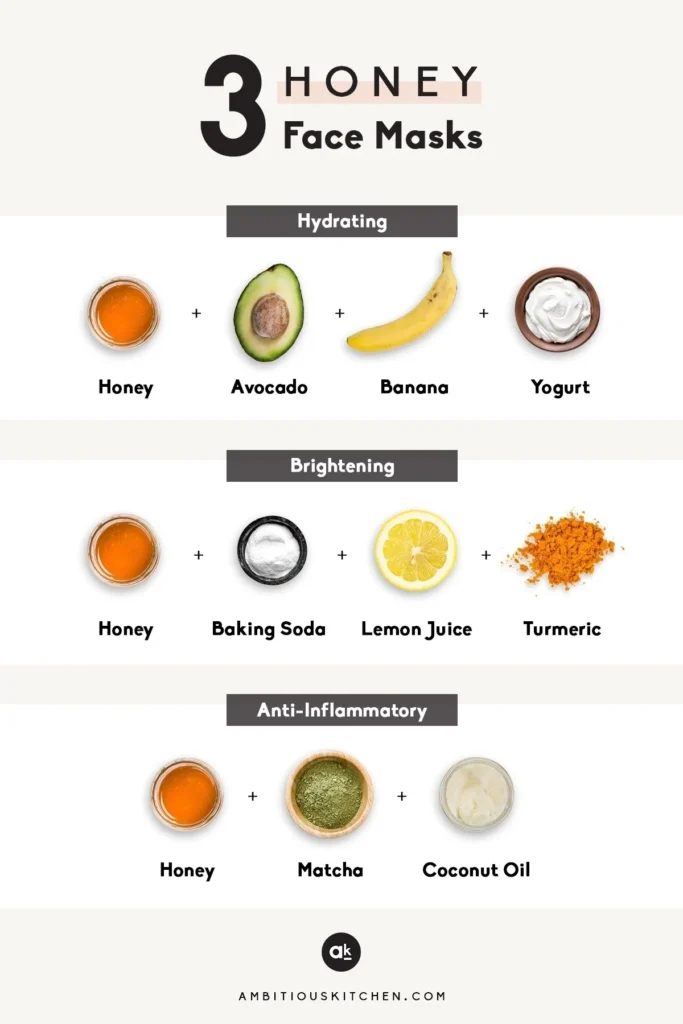
- Dry skin: Masks made with ingredients like honey and avocado can provide intense moisture to dry skin.
- Sensitive skin: Gentle natural face masks can help soothe sensitive skin without causing irritation.
Common Ingredients in Natural Face Masks
- Fruits (e.g., papaya, strawberries)
- Vegetables (e.g., carrots, beets)
- Herbs (e.g., calendula, chamomile)
- Essential oils (e.g., tea tree oil, lavender oil)
How to Make Your Own Natural Face Masks
Making your own natural face masks is a fun and creative process that can help you customize the ingredients to your specific skin type needs. Here are some tips for making your own face masks:
- Choose your ingredients: Select fruits, vegetables, herbs, and essential oils that align with your skin type needs.
- Mix your mask: Combine your chosen ingredients in a bowl until smooth.
- Apply the mask: Apply the mask to your face, avoiding the eye area.
- Relax: Relax for 20 minutes before rinsing with warm water.
Recipe 1: Papaya Face Mask
Papaya is a tropical fruit that’s rich in vitamins A and C, potassium, and antioxidants. When combined with honey, papaya makes for an effective face mask that can help reduce acne and inflammation.
Ingredients:
- 1 ripe papaya
- 1 tablespoon of honey
- Water (optional)
Instructions:
- Peel the papaya and scoop out the flesh.
- Mash the papaya in a bowl until it’s smooth.
- Add the honey to the bowl and mix well.
- Apply the mask to your face, avoiding the eye area.
- Relax for 20 minutes before rinsing with warm water.
Recipe 2: Tea Tree Oil Face Mask
Tea tree oil is an antibacterial essential oil that’s perfect for reducing acne and inflammation. When combined with oatmeal, it creates a soothing face mask that calms and rejuvenates the skin.
Ingredients:
- 1 tablespoon of oatmeal
- 1 tablespoon of yogurt (or non-dairy milk)
- 5-6 drops of tea tree oil
Instructions:
- Mix the oatmeal and yogurt in a bowl until smooth.
- Add the tea tree oil to the bowl and mix well.
- Apply the mask to your face, avoiding the eye area.
- Relax for 20 minutes before rinsing with warm water.
Recipe 3: Lemon and Olive Oil Face Mask
Lemons are known for their astringent properties that can help reduce acne and tighten pores. When combined with olive oil, it creates a nourishing face mask that hydrates and protects the skin.
Ingredients:
- 2 tablespoons of olive oil
- 1 tablespoon of honey
- Juice of 1 lemon
Instructions:
- Mix the olive oil and honey in a bowl until smooth.
- Add the lemon juice to the bowl and mix well.
- Apply the mask to your face, avoiding the eye area.
- Relax for 20 minutes before rinsing with warm water.
Conclusion
Natural face masks are a great way to achieve healthy and glowing skin without breaking the bank or exposing yourself to harsh chemicals. By creating your own masks using natural ingredients like papaya, tea tree oil, and lemon juice, you can experience the benefits of a healthier complexion and reduce your reliance on commercial products. So why not give it a try? Your skin will thank you!
Frequently Asked Questions
- Q: How often should I use a natural face mask?
A: You can use a natural face mask once or twice a week, depending on your skin type and needs. - Q: Can I use natural face masks if I have sensitive skin?
A: Yes, many natural face masks are gentle enough for sensitive skin. However, always patch test a new ingredient before applying it to your face. - Q: How do I store my homemade face mask?
A: Store your homemade face mask in an airtight container in the fridge for up to 3 days. - Q: Can I use natural face masks on my neck and body?
A: Yes, many of our recipes can be adapted for use on other areas of the body. - Q: How long does it take for the mask to work?
A: The effects of a natural face mask may take anywhere from 30 minutes to an hour to become noticeable. - Q: Can I use natural face masks if I have acne-prone skin?
A: Yes, many natural ingredients like tea tree oil and lemon juice can help reduce acne and inflammation. - Q: How do I know which natural ingredient is best for my skin type?
A: Research the properties of different natural ingredients to find what works best for your skin type.
References
- “The Benefits of Natural Face Masks” by Anna De Simone (June 17, 2014)
- “Natural Skincare: A Guide to Using Essential Oils and Herbs” by [Author’s Name]
- “The Science Behind Natural Face Masks” by [Source]
Note: The content of this article is for informational purposes only and should not be considered as medical advice. Always consult with a dermatologist or healthcare professional before trying new skincare products, including homemade face masks.


