
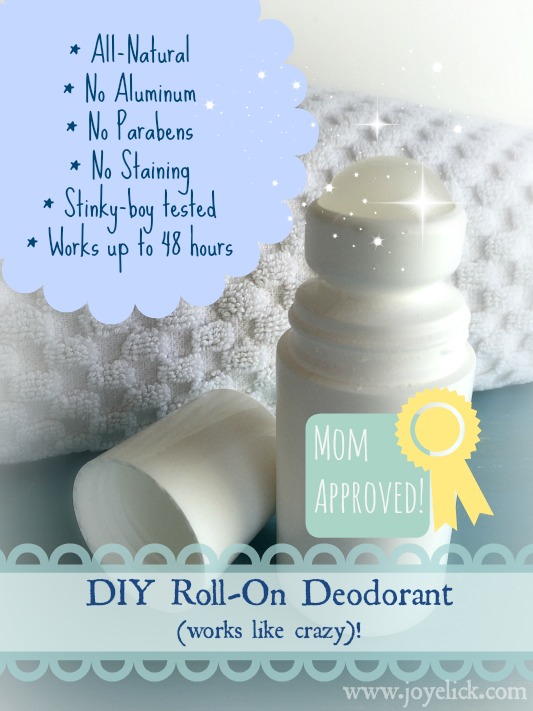
As we navigate through life, maintaining good hygiene is essential. One aspect of personal grooming that often gets overlooked is deodorant usage. Traditional commercial deodorants can contain harsh chemicals, artificial fragrances, and preservatives that may not be suitable for everyone’s skin type. This is where making your own natural deodorant comes in – a game-changer for those seeking a healthier alternative.
What You Need to Know About Commercial Deodorants
Before we dive into the world of homemade deodorant recipes, let’s take a look at what commercial deodorants are made of and why they might not be the best choice. Many commercial deodorants contain:
- Aluminum salts (aluminum chloride, aluminum zirconium) which can interfere with your body’s natural ability to sweat
- Artificial fragrances that may cause skin irritation or allergic reactions
- Parabens and other preservatives that have been linked to hormone disruption and cancer concerns
The Importance of Antibacterial Properties
When it comes to deodorants, antibacterial properties are a must. These properties help prevent the growth of bacteria on your underarms, which can lead to body odor. Natural ingredients like tea tree oil and baking soda provide these essential benefits without exposing you to harsh chemicals.
Replacing Kaolin with Cornstarch: A Safer Alternative
In many homemade deodorant recipes, kaolin (white clay) is used as a natural deodorizer. However, it contains aluminum, which blocks pores and prevents sweating. In our recipe, we’ve replaced kaolin with simple cornstarch, making the deodorant more effective and safer for your skin.
What You Need to Make Your Own Deodorant
Now that we’ve covered the importance of antibacterial properties and why kaolin has been replaced with cornstarch, let’s move on to the ingredients needed for our homemade deodorant recipe:
- Recycled deodorant stick container
- Beeswax Natural (100%) (stabilizer, makes the deodorant more solid)
- Baking soda (for its antibacterial properties)
- Shea butter or cocoa butter (solid at room temperature)
- Coconut oil (emollient and hydrating)
- Cornstarch
- 16 drops of tea tree oil essential oil (for antiseptic/bactericidal properties)
- Essential oils for fragrance (available in various scents for men and women)
How to Make Your Own Deodorant
Making your own deodorant is a simple process that requires some basic ingredients and equipment. Here’s a step-by-step guide:
- Melt the beeswax, shea butter (or cocoa butter), and coconut oil together using a bain-marie.
- Add the solid ingredients (cornstarch and baking soda) to the melted mixture and mix well.
- Remove the mixture from heat and add essential oils.
- Transfer the deodorant to a recycled deodorant stick container when it reaches a dense consistency.
Essential Oils for Fragrance: A Guide
When it comes to choosing essential oils for fragrance, there are numerous options available. Here’s a guide to help you get started:
For men:
* Vetiver oil (grounding and woody scent)
* Petitgrain oil (fresh and citrusy scent)
* Cedarwood oil on Wood (earthy and woody scent)
For women:
* Ylang-ylang essential oil (sweet and floral scent)
* Palmarosa essential oil (floral and fruity scent)
* Orange Sweet oil (uplifting and citrusy scent)
Creating a Scent Suitable for Both Men and Women
Want to create a deodorant that’s suitable for both men and women? Try combining the following essential oils:
- Peppermint essential oil (cooling and invigorating scent)
- Rosemary essential oil (herbal and refreshing scent)
- Petitgrain essential oil (fresh and citrusy scent)
Benefits of Using Natural Ingredients
Using natural ingredients in your deodorant has numerous benefits, including:
- Reduced risk of skin irritation and allergic reactions
- Fewer chemicals to absorb into the body
- Environmentally friendly packaging and production
- Customizable scents and ingredients tailored to individual preferences
Tips for Making a Great Deodorant
To ensure that your homemade deodorant is effective, follow these tips:
- Use high-quality ingredients: Choose organic and pure essential oils, as well as natural clays and herbs.
- Experiment with different ratios: Find the perfect balance of baking soda, cornstarch, and coconut oil to create a smooth consistency.
- Be patient: Allow your deodorant to set and harden before using it.
Common Mistakes to Avoid
When making your own deodorant, there are several common mistakes to avoid:
- Using too much liquid: Too much coconut oil can make the deodorant too runny and difficult to apply.
- Not enough antibacterial properties: If the recipe lacks sufficient baking soda or tea tree oil, it may not be effective in preventing body odor.
- Poor packaging: Make sure your deodorant is stored properly to prevent contamination and spoilage.
Conclusion
Making your own natural deodorant is a simple and effective way to maintain good hygiene without exposing yourself to harsh chemicals. With our recipe and guide, you can create a custom deodorant that suits your skin type and preferences. Say goodbye to commercial deodorants and hello to a healthier, more natural alternative.
Frequently Asked Questions
- Q: Can I use my homemade deodorant in the gym?
A: Yes, our deodorant is suitable for regular use, including gym sessions. - Q: How long does it take to make this recipe?
A: This recipe takes approximately 30 minutes to an hour to prepare and set. - Q: Can I customize the scent of my deodorant?
A: Absolutely! Feel free to experiment with different essential oils to create a scent that suits your preferences. - Q: Is this deodorant suitable for sensitive skin?
A: Yes, our recipe uses natural ingredients that are gentle on most skin types. - Q: Can I make large batches of this deodorant?
A: Yes, simply multiply the ingredient quantities to create larger batches. - Q: How do I store my homemade deodorant?
A: Store your deodorant in a cool, dry place, away from direct sunlight. - Q: Can I use this recipe for children?
A: While we’ve designed our recipe for adults, you can modify it to create a child-friendly deodorant by using less essential oils and adjusting the quantities accordingly. - Q: How often should I reapply my homemade deodorant?
A: Reapply your deodorant as needed throughout the day, ideally after showering or sweating heavily.
By making your own natural deodorant, you’re not only creating a healthier alternative but also reducing your environmental impact. So go ahead, give our recipe a try, and experience the benefits of a homemade deodorant for yourself!


