
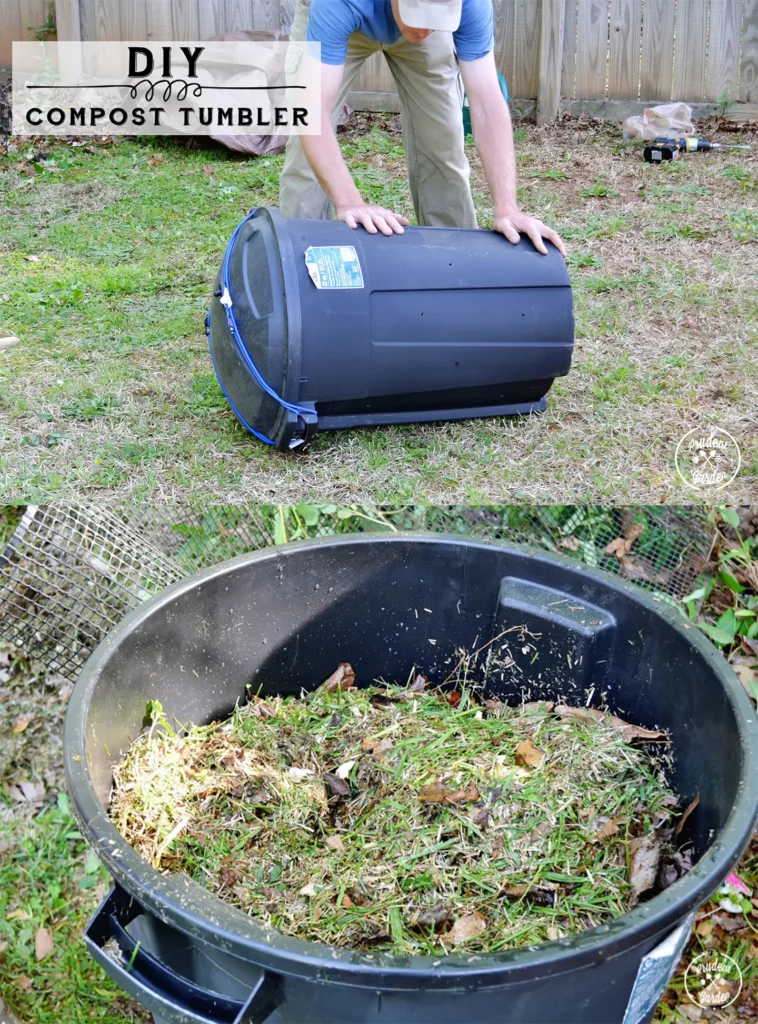
As the world becomes increasingly aware of the importance of reducing waste and living sustainably, home composting has become a popular practice among gardeners and environmentally conscious individuals. By turning food scraps, yard trimmings, and other organic materials into a nutrient-rich fertilizer, homeowners can significantly reduce their environmental impact while also creating a healthy and thriving garden.
What is Composting?
Composting is the process of breaking down organic materials into a stable, humus-like substance that can be used as a natural fertilizer. This process occurs when microorganisms such as bacteria and fungi feed on the organic matter, releasing nutrients that are then absorbed by plants. When done correctly, composting is a simple and effective way to reduce waste, improve soil health, and promote sustainable gardening practices.
Benefits of Home Composting
Home composting offers numerous benefits for gardeners, homeowners, and the environment as a whole. Some of the most significant advantages include:
- Reduced waste: By composting food scraps, yard trimmings, and other organic materials, homeowners can significantly reduce their waste output.
- Improved soil health: Compost adds nutrients, improves soil structure, and increases the overall fertility of the soil.
- Cost-effective: Creating your own fertilizer through composting is often cheaper than buying commercial fertilizers.
- Environmentally friendly: Composting reduces greenhouse gas emissions, conserves water, and promotes sustainable gardening practices.
Getting Started with Home Composting
To begin home composting, you’ll need a few basic pieces of equipment:
- A compost bin or pile
- Organic materials (food scraps, yard trimmings, etc.)
- Water
There are several options for building your own compost bin or pile, including:
- Using an existing bin: You can repurpose an old container or purchase a dedicated composting bin.
- Creating a compost pile: This involves stacking organic materials in a designated area and allowing them to decompose.
Choosing the Right Materials
Not all materials are suitable for composting. Some common items that should not be included in your compost pile include:
- Meat, bones, and dairy products
- Pet waste
- Weeds with seeds
- Chemical-treated plants
On the other hand, some popular materials for composting include:
- Food scraps (fruit and vegetable peels, tea bags, etc.)
- Yard trimmings (leaves, grass clippings, etc.)
- Shredded paper and cardboard
- Coffee grounds and eggshells
Tips for Effective Composting
To ensure successful composting, follow these tips:
- Maintain the right moisture levels: Compost should be kept moist, but not soggy or dry.
- Monitor temperature: Compost piles can get hot, with temperatures reaching up to 160°F (71°C). This is a sign that decomposition is occurring.
- Add bulking agents: Materials like straw or shredded newspaper help absorb excess moisture and improve compost structure.
Common Composting Mistakes
Newcomers to home composting often make mistakes that can hinder the process. Some common errors include:
- Overloading the compost pile with too many materials
- Failing to maintain proper moisture levels
- Not adding enough bulking agents
By avoiding these common mistakes and following best practices, you’ll be well on your way to creating a thriving composting system.
Harvesting Your Compost
Once your compost has reached the desired color (usually dark brown or black), it’s time to harvest it. Here are some tips for incorporating your finished compost into your garden:
- Mix it in: Blend the compost into your soil using a shovel or trowel.
- Top dress: Apply a thin layer of compost on top of your plants as a natural mulch.
- Create a compost tea: Steep the compost in water to create a liquid fertilizer for your plants.
Frequently Asked Questions
Q: What is the best way to start a compost pile?
A: Begin by adding a mix of “green” materials (food scraps, grass clippings) and “brown” materials (dried leaves, shredded newspaper).
Q: How often should I turn my compost pile?
A: Regular turning helps maintain moisture levels and speed up decomposition.
Q: Can I compost meat and bones?
A: No, as they can attract pests and create unpleasant odors.
Q: Is it true that all plants need equal amounts of nitrogen, phosphorus, and potassium?
A: Not exactly – different plants have varying nutrient requirements. Research your specific plant needs to ensure balanced fertilization.
Q: Can I compost plastic bags and other synthetic materials?
A: No, as they don’t break down easily and can contaminate the compost.
Q: How long does it take for compost to mature?
A: This depends on factors like temperature, moisture, and carbon-to-nitrogen ratio. On average, 2-6 months is sufficient for most composts.
Q: Is composting only for gardeners?
A: Absolutely not – anyone can benefit from composting, regardless of their gardening experience or goals.
Advanced Composting Techniques
For those looking to take their composting skills to the next level, here are some advanced techniques to consider:
- Vermicomposting: This involves using worms to break down organic materials. Worm castings (vermicompost) are a nutrient-rich fertilizer.
- Bokashi composting: This method uses microorganisms to ferment organic materials, producing a highly concentrated fertilizer.
- Hot composting: This technique involves actively managing the temperature of your compost pile to speed up decomposition.
Composting for Specific Needs
Composting can be tailored to meet specific needs in various industries:
- Gardening: Compost is an excellent natural fertilizer for home gardens.
- Agriculture: Compost can improve soil health, reduce fertilizers, and promote sustainable farming practices.
- Landscaping: Compost can help maintain healthy lawns, flowers, and shrubs.
Challenges of Home Composting
While composting offers numerous benefits, there are also some challenges to consider:
- Space constraints: Finding adequate space for a compost pile or bin can be a challenge in urban areas.
- Odor control: Managing odors from the compost pile can be a problem, especially during hot weather.
- Pest control: Compost piles can attract pests like rodents and raccoons.
Conclusion
Home composting is an effective way to reduce waste, improve soil health, and promote sustainable gardening practices. By understanding the basics of composting, choosing the right materials, and following best practices, you can create a thriving composting system that benefits your garden and the environment. Whether you’re a seasoned gardener or just starting out, home composting is an essential skill for anyone looking to live more sustainably.


