
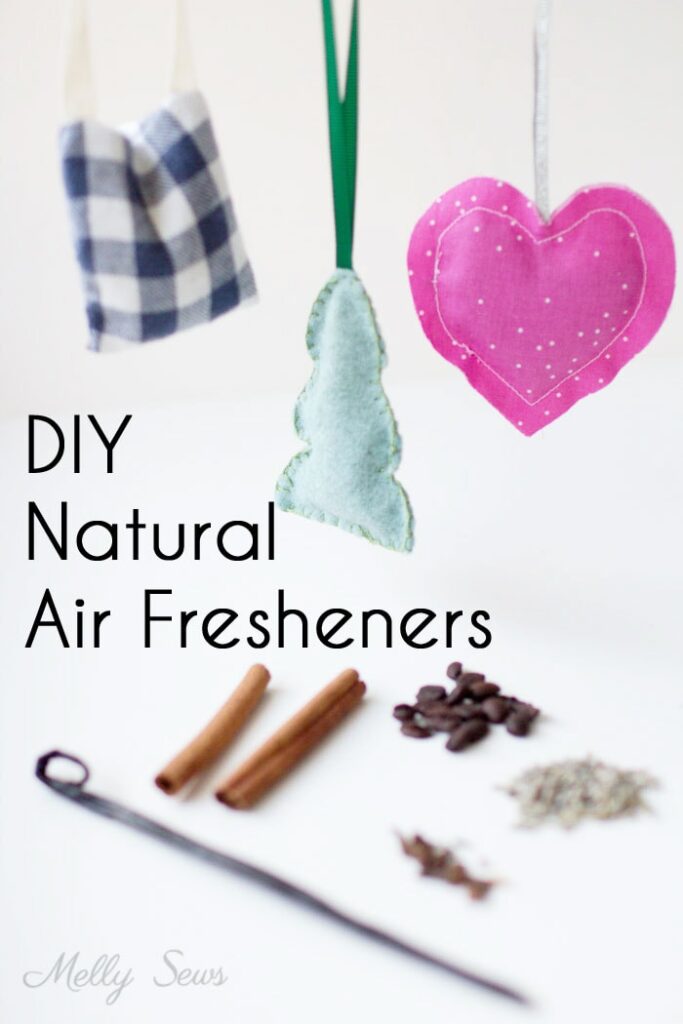
As you spend more time in your car, you may notice that the air inside can become stale and unpleasant. While commercial air fresheners can be convenient, they often contain harsh chemicals that can aggravate respiratory issues or trigger allergies. That’s why we recommend making your own natural air fresheners for your car using simple, effective ingredients.
Why Make Your Own Air Fresheners?
By creating your own air fresheners, you can avoid exposure to artificial fragrances and preservatives commonly found in commercial products. Plus, you can customize the scent and strength of your fresheners to suit your preferences. With a few easy steps, you can create a natural air freshener that’s safe for your car and your health.
Using Diffusers and Trays
To maximize the effectiveness of your homemade air fresheners, place them in proximity to the air diffusers present on your car’s console. In areas where the air diffuser is located, add a scented sachet, potpourri, or a natural deodorizer like arbre magique.
Lavender Sachets
Start with a classic and easy-to-make option: lavender sachets. Simply recycle old confetti bags, empty them, and fill them with dried lavender flowers. You can also add a few drops of lavender essential oil to enhance the scent. Lavender is a natural calming agent that promotes relaxation and reduces stress.
To make a lavender sachet, follow these steps:
- Collect dried lavender flowers from your garden or purchase them at a local market.
- Cut out a square piece of fabric (about 5 x 5 inches) from an old t-shirt or cotton cloth.
- Place the dried lavender flowers in the center of the fabric square, leaving about 1 inch around the edges.
- Fold the fabric over the lavender and tie with a ribbon or twine.
- Hang your sachet near a air diffuser or place it in a spot where you’d like to enjoy the scent.
Arbre Magique DIY
You can create your own arbre magique (magical tree) at home using a piece of fabric or felt. Cut out a flower shape and soak it in your preferred essential oil. You can use a variety of oils, such as bergamot or ylang-ylang, to create different scents.
To make an arbre magique, follow these steps:
- Choose a sturdy fabric or felt for the base of the tree.
- Cut out a flower shape (about 5 inches in diameter) and soak it in your preferred essential oil.
- Wrap the flower with another piece of fabric or felt to create the tree’s trunk and branches.
- Add some decorative elements, such as beads or sequins, to enhance the scent and visual appeal.
- Attach a small loop of twine or ribbon to hang your arbre magique in a convenient location.
Choosing Essential Oils
When selecting an essential oil for your DIY air freshener, consider the type of scent you prefer. Do you like sweet and floral notes? Choose mughetto (perfect for autumn) or ylang-ylang. For a fresher, more citrusy scent, try bergamot essential oil.
Some popular essential oils for car air fresheners include:
- Lavender: calming and relaxing
- Peppermint: invigorating and refreshing
- Lemon: uplifting and citrusy
- Eucalyptus: decongesting and refreshing
When selecting an essential oil, always read the label carefully and look for products that are labeled as “safe for use in cars” or “non-toxic.”
DIY Air Fresheners for Your Car
If you prefer a spray air freshener that can be applied to your car’s interior as needed, start with a water-based solution and an essential oil blend. Mix 10 drops of essential oil per 200 ml of water. This will create a gentle, effective air freshener that won’t overpower the other scents in your car.
To make a DIY spray air freshener, follow these steps:
- Fill a small bottle with distilled water.
- Add a few drops of your preferred essential oil (about 10-15 drops per 200 ml).
- Shake the bottle well to combine the ingredients.
- Spray the air freshener around your car’s interior as needed.
Eliminating Car Odors
If you’re dealing with stubborn odors like cigarette smoke or mold, it’s time to take more drastic measures. First, thoroughly clean your car’s interior using a natural detergent and let it air dry. Next, use a deodorizer like baking soda or activated charcoal to absorb any lingering smells.
To eliminate car odors, follow these steps:
- Vacuum the interior of your car thoroughly, paying attention to areas where dirt and dust tend to accumulate.
- Wipe down surfaces with a natural detergent and let them air dry.
- Place a small container filled with baking soda or activated charcoal in the area you’d like to eliminate odors from.
- Replace the deodorizer every few weeks to maintain its effectiveness.
Tips and Tricks
Here are some additional tips and tricks to help you create effective natural air fresheners for your car:
- Always test a small area of your fabric or surface before applying essential oils to ensure they won’t cause any discoloration.
- Consider using reusable fabric bags or sachets instead of disposable ones to reduce waste.
- If you’re dealing with stubborn odors, try combining essential oils with natural deodorizers like baking soda or activated charcoal for a more effective solution.
Conclusion
By making your own natural air fresheners for your car, you can create a healthier, more pleasant driving experience. With just a few simple ingredients and some creativity, you can eliminate unpleasant odors and enjoy the freshness of the great outdoors.
Frequently Asked Questions
- How often should I make my own air fresheners?
Make your air fresheners as needed to maintain a clean, fresh scent in your car. - Can I use any type of fabric for my arbre magique DIY?
No, choose a sturdy fabric or felt that won’t fall apart when exposed to heat or moisture. - What’s the best way to store my homemade air fresheners?
Store them in a cool, dry place away from direct sunlight and heat sources. - Can I use essential oils directly on my car’s interior?
No, always dilute essential oils with water or other ingredients before applying them to your car’s surfaces. - How long do homemade air fresheners last?
The lifespan of your homemade air fresheners depends on usage and storage conditions. Make new ones as needed to maintain a fresh scent. - What are some common allergens in commercial air fresheners?
Some common allergens include fragrances, dyes, and preservatives, which can cause irritation or allergic reactions. - Can I use homemade air fresheners on pets or babies?
Yes, but always test the ingredients before using them around pets or infants to ensure they won’t trigger any adverse reactions.
By following these simple steps and tips, you can create effective natural air fresheners for your car that will keep you and your passengers breathing easy. Experiment with different scents and ingredients to find what works best for you!


