
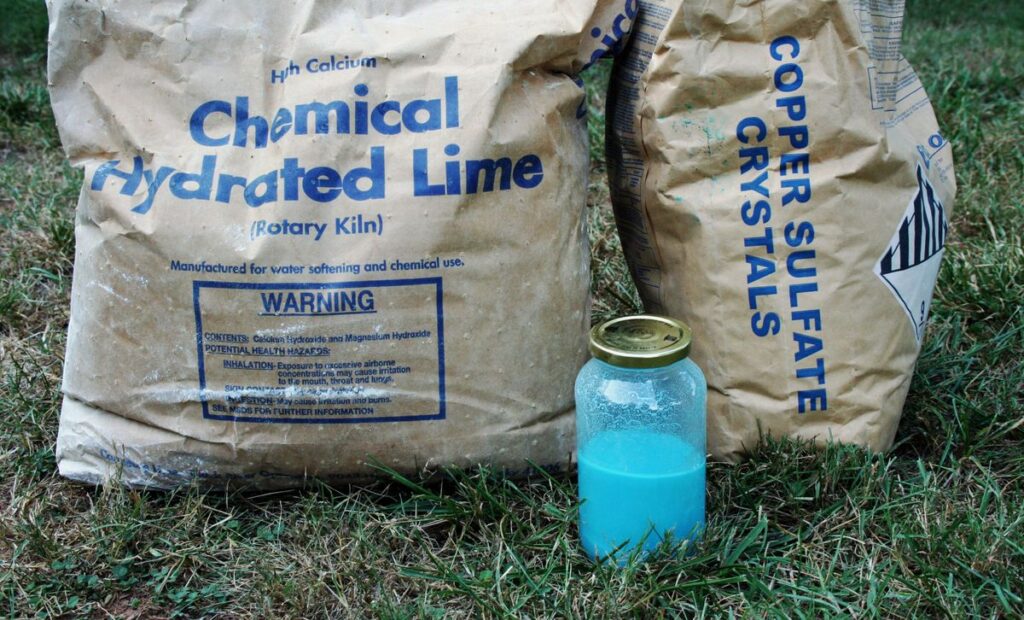
Are you tired of using chemical-based pesticides that harm your garden and the environment? Look no further! Organic bordellose fungicide is a natural solution to control fungal diseases in your garden, vineyard, and orchard. In this article, we’ll explore what bordellose is, its benefits, and how to make it at home.
What is Bordellose Fungicide?
Bordellose fungicide is a mixture of sulfur and calcium carbonate, also known as “sulfuric acid with lime”. It’s a natural and non-toxic fungicide that has been used for centuries in agriculture. The combination of sulfur and calcium carbonate creates an acidic solution that disrupts the growth of fungal spores and prevents them from infecting plants.
Benefits of Organic Bordellose Fungicide
- Environmentally friendly: Unlike chemical-based pesticides, organic bordellose fungicide is non-toxic and biodegradable, making it a great alternative for gardeners who care about the environment.
- Cost-effective: Making your own bordellose fungicide at home can save you money compared to buying commercial products.
- Effective: Organic bordellose fungicide has been shown to be effective in controlling fungal diseases in various crops, including grapes, apples, and potatoes.
History of Organic Bordellose Fungicide
The use of sulfur as a fungicide dates back to ancient Greece and Rome. The Greek physician Hippocrates (460-370 BCE) is said to have used sulfur to treat fungal infections. In the 18th century, European farmers began using sulfur to control fungal diseases in their crops.
How Does Organic Bordellose Fungicide Work?
Bordellose fungicide works by disrupting the growth of fungal spores and preventing them from infecting plants. The acidic solution created by combining sulfur and calcium carbonate:
- Disrupts fungal cell membranes: The acidity of the solution disrupts the membranes of fungal cells, ultimately leading to their death.
- Prevents spore germination: The solution also prevents fungal spores from germinating, thereby preventing new infections.
- Inhibits mycelium growth: Bordellose fungicide inhibits the growth of fungal hyphae (mycelium), which are essential for the spread of fungal diseases.
Fungal Diseases Controlled by Organic Bordellose Fungicide
Organic bordellose fungicide is effective against a wide range of fungal diseases, including:
- Powdery mildew: A common disease that affects plants like grapes, apples, and pears.
- Leaf spot: A disease that causes small, circular spots on leaves, often affecting plants like tomatoes and peppers.
- Root rot: A disease that affects plant roots, causing them to decay and leading to plant death.
Precautions When Using Organic Bordellose Fungicide
When handling sulfur and calcium carbonate:
- Wear protective gloves and eyewear to avoid skin and eye irritation.
- Avoid inhaling sulfur fumes or getting it on your skin, as it can cause burns.
- Keep the solution away from children and pets.
Frequently Asked Questions
Q: Can I use organic bordellose fungicide on all plants?
A: No, avoid using organic bordellose fungicide on plants that are sensitive to sulfur or calcium carbonate, such as tomatoes and peppers.
Q: How often should I apply the solution?
A: Apply the solution every 15 days to ensure continuous protection against fungal diseases.
Q: Can I store homemade bordellose fungicide for later use?
A: Yes, you can store the solution in an airtight container at room temperature for up to 6 months.
Q: Is organic bordellose fungicide effective on all types of fungal diseases?
A: Organic bordellose fungicide is most effective against powdery mildew, leaf spot, and other fungal diseases that affect plants. However, it may not be as effective against systemic fungal diseases like fusarium wilt.
Q: Can I mix organic bordellose fungicide with other natural pesticides?
A: Yes, you can combine organic bordellose fungicide with other natural pesticides, such as neem oil or garlic extract, to create a more comprehensive pest management strategy.
Benefits of Making Your Own Organic Bordellose Fungicide
- Cost-effective: Making your own bordellose fungicide at home can save you money compared to buying commercial products.
- Customizable: By making your own solution, you can adjust the ratio of sulfur and calcium carbonate to suit your specific needs.
- Freshness: Homemade solution is fresh and ready for use, eliminating the risk of degradation or contamination.
Precautions When Making Your Own Organic Bordellose Fungicide
- Handle with care: Handle both sulfur and calcium carbonate with care, as they can be hazardous if not handled properly.
- Use proper equipment: Use a well-ventilated area and protective gear when mixing the solution to avoid exposure to sulfur fumes or skin irritation.
- Follow instructions carefully: Follow the recipe exactly to ensure the correct ratio of ingredients is used.
Alternative Methods for Controlling Fungal Diseases
While organic bordellose fungicide is effective, there are alternative methods for controlling fungal diseases:
- Copper-based fungicides: Copper-based products can be an effective and environmentally friendly option.
- Neem oil: Neem oil has been shown to be effective against a range of fungal diseases.
- Garlic spray: Garlic extract has antimicrobial properties that make it useful for controlling fungal diseases.
Conclusion
Organic bordellose fungicide is a natural solution for controlling fungal diseases in gardens, vineyards, and orchards. By understanding the benefits, history, and mechanics of this natural fungicide, gardeners can take control of their crop health without relying on chemical-based pesticides. With the ability to make your own organic bordellose fungicide at home, you’ll be empowered to protect your plants from fungal diseases while minimizing your environmental impact.
References
- National Institute of Food and Agriculture: “Sulfur: A Natural Fungicide”
- United States Department of Agriculture: “Calcium Carbonate: A Natural Calcium Source”
- Environmental Protection Agency: “Organic Pest Control Methods”


