
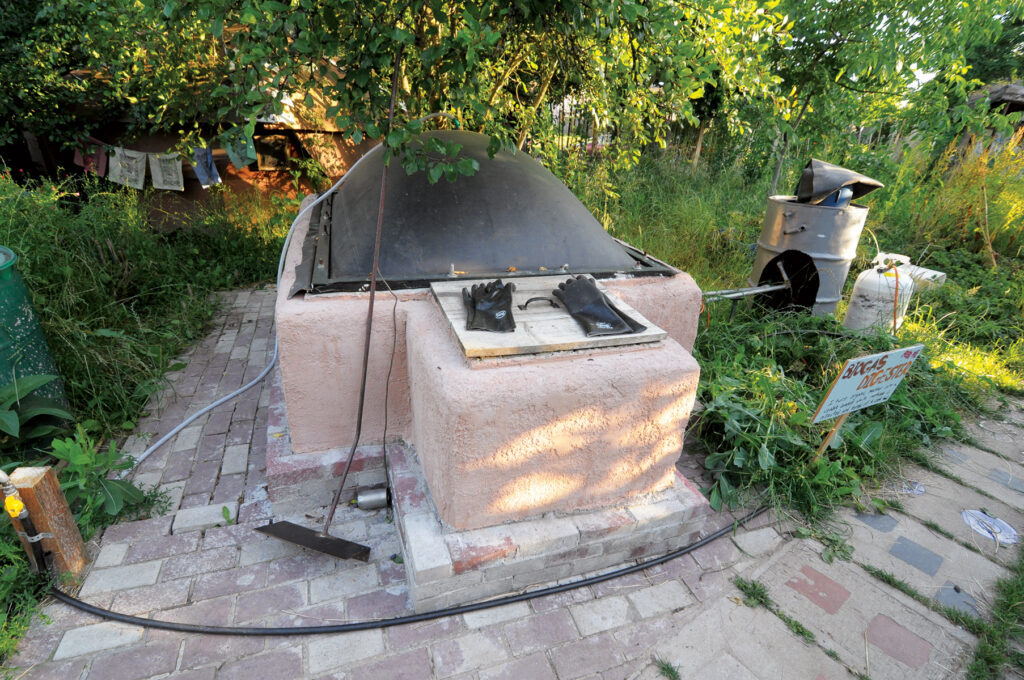
Are you ready to take the leap and create your own biogas system? The answer is a resounding yes, but with some caveats. To succeed, you’ll need to understand the intricacies of creating an environment conducive to anaerobic digestion, managing temperature, acid levels, and production.
Understanding the Basics
Before we dive into the nitty-gritty, let’s cover some essential concepts:
- Anaerobic Digestion: A process that breaks down organic matter in the absence of oxygen, producing biogas.
- Biogas: A mixture of methane and carbon dioxide, used as a renewable energy source.
History of Biogas
The concept of anaerobic digestion has been around for centuries. In ancient civilizations, people utilized natural processes to create a gas-like substance from organic matter. Modern biogas technology evolved in the early 20th century, with the development of concrete digesters and the first commercial biogas plants.
How Biogas is Produced
The production of biogas involves several stages:
- Organic Matter Collection: Collect organic waste from farms, households, or industries.
- Pre-treatment: Process the organic matter to remove contaminants and improve its digestibility.
- Anaerobic Digestion: Feed the pre-treated organic matter into a biogas digester.
- Biogas Production: The anaerobic digestion process converts the organic matter into biogas, which is composed of methane (50-70%) and carbon dioxide (30-50%).
- Gas Cleaning: Treat the biogas to remove impurities and increase its quality.
Benefits of Biogas
Biogas offers numerous benefits, including:
- Renewable Energy Source: Biogas is a renewable energy source that can power homes, industries, or transportation vehicles.
- Reduced Greenhouse Gas Emissions: Biogas production reduces greenhouse gas emissions by capturing and utilizing methane, a potent greenhouse gas.
- Soil Fertilization: Biogas production creates a nutrient-rich fertilizer for agricultural purposes.
Creating the Perfect Environment
To kickstart your biogas system, you’ll need to create an environment that fosters anaerobic digestion. This requires:
- Airtight Container: A container with no air leaks is essential for maintaining a low-oxygen atmosphere.
- Temperature Control: Regulate the temperature to optimize digestion and prevent spoilage.
- Acid Balance: Maintain a pH level between 5.5 and 7, ensuring optimal acid balance.
Storing Gas
After fermentation, it’s time to store the biogas safely:
- Gas Storage Containers: Use containers specifically designed for storing biogas.
- Pressure Relief Valves: Install pressure relief valves to prevent over-pressurization.
Temperature Management
Temperature is crucial in anaerobic digestion. To maintain optimal conditions, consider:
- Digestor Placement: Place the digestor in a well-insulated area with minimal temperature fluctuations.
- Insulation and Ventilation: Balance insulation and ventilation to prevent overheating and spoilage.
Acid Balance
Maintaining an acid balance is vital for efficient digestion. Monitor pH levels regularly:
- pH Monitoring: Use pH meters or test kits to track pH levels accurately.
- pH Adjustment: Adjust pH levels as needed to maintain the optimal range of 5.5-7.
Biogas Production
Now that you’ve optimized your environment and temperature, it’s time to monitor biogas production:
- Gas Metering: Install gas meters or use a gas flow meter to measure production.
- Gas Quality Testing: Regularly test gas quality to ensure its suitability for use.
Common Challenges and Solutions
Here are some common challenges faced by biogas system operators and solutions to overcome them:
- Methane Slippage: Methane slippage occurs when methane escapes from the digester into the atmosphere. Solution: Use high-quality materials for the digester, ensure proper sealing of all connections, and monitor gas production closely.
- Biogas Contamination: Biogas contamination occurs when impurities or pathogens are present in the biogas. Solution: Implement a robust cleaning and treatment process, regularly test gas quality, and maintain good hygiene practices during system operation.
Conclusion
Creating a biogas system from scratch requires patience, dedication, and attention to detail. By understanding the intricacies of anaerobic digestion, managing temperature, acid levels, and production, you’ll be well on your way to generating clean, renewable energy.
Frequently Asked Questions (FAQs)
Q: What is biogas?
A: Biogas is a mixture of methane and carbon dioxide produced through anaerobic digestion.
Q: What are the benefits of biogas?
A: Biogas offers numerous benefits, including renewable energy generation, reduced greenhouse gas emissions, and soil fertilization.
Q: How long does it take for a biogas system to produce gas?
A: The time it takes for a biogas system to produce gas depends on factors like temperature, pH levels, and the type of organic matter used.
Q: Can I use any type of organic matter in my biogas system?
A: No, certain types of organic matter, such as plastics or chemicals, are not suitable for anaerobic digestion.


