
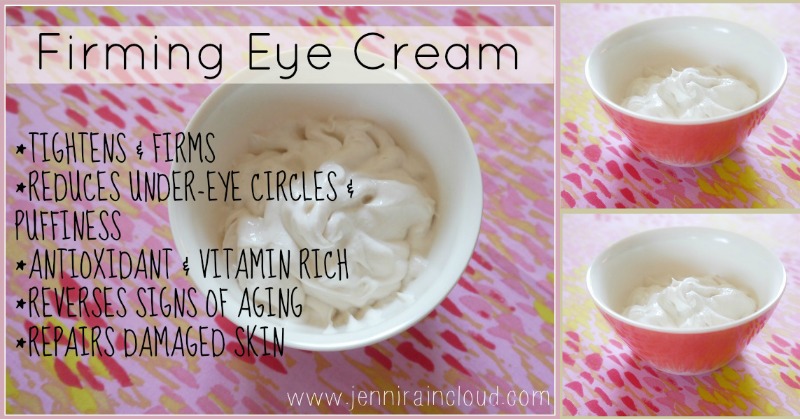
The skin around our eyes is one of the most delicate areas on our face. The first fine lines and wrinkles often appear in this region, giving us a tired and aged appearance. But before you reach for expensive creams or surgeries, there are natural remedies that can help combat crow’s feet.
In this article, we’ll explore the causes of crow’s feet, why DIY cream is an excellent alternative to commercial products, and how to make your own homemade cream using just a few simple ingredients.
Understanding Crow’s Feet
The skin around our eyes is one of the most delicate areas on our face. The first fine lines and wrinkles often appear in this region, giving us a tired and aged appearance. But before you reach for expensive creams or surgeries, there are natural remedies that can help combat crow’s feet.
In this article, we’ll explore the causes of crow’s feet, why DIY cream is an excellent alternative to commercial products, and how to make your own homemade cream using just a few simple ingredients.
Why Do Crow’s Feet Appear Around the Eyes?
The skin around our eyes is vulnerable to various factors that can cause fine lines and wrinkles. Here are some common causes:
- Sun exposure: Prolonged sun exposure, especially during peak hours (12 pm – 3 pm), can lead to premature aging and wrinkle formation.
- Poor eye care: Failing to take proper care of our eyes, such as not wearing sunglasses or using low-quality contact lenses, can cause tension and strain on the skin around the eyes.
- Sedentary lifestyle: Spending too much time in front of screens (e.g., computers, phones, TVs) can lead to eye strain and fatigue, causing fine lines and wrinkles.
- Hydration deficiency: Not drinking enough water can dehydrate the skin, making it prone to wrinkles and fine lines.
- Poor skincare routine: Using low-quality skincare products or neglecting to clean your face properly can cause irritation and dryness, leading to premature aging.
Why Make Your Own Cream?
Making your own cream is a great alternative to commercial products for several reasons:
- Cost-effective: Natural ingredients are often less expensive than commercial creams.
- Customizable: You can tailor the recipe to suit your skin type and preferences.
- No harsh chemicals: By avoiding synthetic preservatives and fragrances, you can reduce exposure to potential skin irritants.
Homemade Cream Recipe for Crow’s Feet
Here’s a simple recipe for a homemade cream that uses natural ingredients:
Ingredients:
- 15 grams of beeswax
- 15 grams of argan oil
- 5 grams of rosehip oil
- 10 drops of geranium essential oil
Instructions:
- Melt the beeswax in a double boiler or a microwave-safe bowl.
- Add the argan and rosehip oils, stirring until combined.
- Remove from heat and add the geranium essential oil.
- Pour into a sterilized glass jar.
Tips for Applying Your Homemade Cream
To get the most out of your homemade cream:
- Massage gently: Use gentle circular motions to massage the cream into the skin.
- Apply regularly: Use as needed, ideally morning and night.
- Combine with other skincare habits: Pair your homemade cream with a consistent skincare routine and healthy lifestyle habits for optimal results.
Benefits of Using Beeswax in Your Homemade Cream
Beeswax is a natural emollient that provides several benefits when used in homemade creams:
- Moisturizing properties: Beeswax helps lock in moisture, leaving the skin feeling soft and supple.
- Barrier function: Beeswax creates a protective barrier on the skin’s surface, shielding it from environmental stressors and damage.
Benefits of Using Argan Oil in Your Homemade Cream
Argan oil is a luxurious oil that provides several benefits when used in homemade creams:
- Antioxidant properties: Argan oil contains antioxidants that help protect the skin from damage caused by free radicals.
- Moisturizing properties: Argan oil helps lock in moisture, leaving the skin feeling soft and supple.
Benefits of Using Rosehip Oil in Your Homemade Cream
Rosehip oil is a nourishing oil that provides several benefits when used in homemade creams:
- Antioxidant properties: Rosehip oil contains antioxidants that help protect the skin from damage caused by free radicals.
- Moisturizing properties: Rosehip oil helps lock in moisture, leaving the skin feeling soft and supple.
Benefits of Using Geranium Essential Oil in Your Homemade Cream
Geranium essential oil is a natural essential oil that provides several benefits when used in homemade creams:
- Antiseptic properties: Geranium essential oil has antiseptic properties that help prevent infection and promote healthy skin.
- Anti-inflammatory properties: Geranium essential oil contains anti-inflammatory compounds that can help reduce redness and inflammation.
DIY Face Mask Recipe for Crow’s Feet
Here’s a simple recipe for a DIY face mask that targets crow’s feet:
Ingredients:
- 2 tablespoons of honey
- 1 tablespoon of yogurt
- 1 teaspoon of cucumber juice
Instructions:
- Mix the ingredients together until smooth.
- Apply to the skin around the eyes, avoiding the delicate skin under the eyebrows.
- Leave on for 10-15 minutes before rinsing off with lukewarm water.
How to Use Your Homemade Cream
To get the most out of your homemade cream:
- Massage gently: Use gentle circular motions to massage the cream into the skin.
- Apply regularly: Use as needed, ideally morning and night.
- Combine with other skincare habits: Pair your homemade cream with a consistent skincare routine and healthy lifestyle habits for optimal results.
Conclusion
Crow’s feet can be a frustrating and aging concern. However, by understanding their causes and making simple changes to our skincare routine, we can take control of our skin health. With this DIY guide, you can create a natural, effective, and cost-friendly solution for smooth, wrinkle-free skin around the eyes.
Frequently Asked Questions
Q: How often should I apply my homemade cream?
A: Use as needed, ideally morning and night.
Q: Can I store my homemade cream in the fridge?
A: No, leave at room temperature to allow ingredients to blend properly.
Q: Will this recipe work for all skin types?
A: This recipe is suitable for most skin types. However, if you have sensitive skin, start with a small patch test before applying.
Q: Can I add other essential oils to the recipe?
A: Yes, but be cautious not to overdo it, as some oils can be irritating or potent.
Q: Is this recipe safe for babies and children?
A: No, due to the use of beeswax and essential oils, which may cause skin irritation in young skin.


