
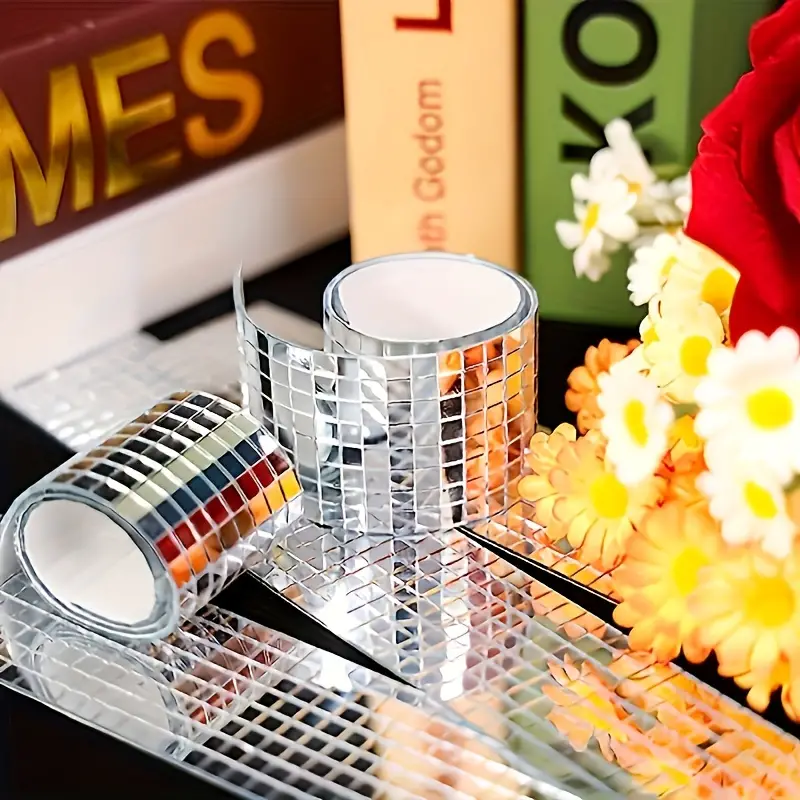
Are you tired of the same old tile designs in your bathroom or kitchen? Do you want to give your home a fresh new look without breaking the bank? Look no further than mosaic tiles, specifically our DIY-friendly adhesive mosaic tiles. In this article, we’ll explore the benefits, installation process, and everything you need to know about using these amazing tiles for your next home renovation project.
What are Mosaic Tiles?
Mosaic tiles are a type of tile that consists of small pieces of ceramic or glass arranged in a decorative pattern. They’re held together by an adhesive material, which is applied to the back of the tiles and then pressed onto a surface. This makes them easy to install and remove, making them perfect for DIY enthusiasts.
A Brief History of Mosaic Tiles
Mosaic tiles have been around for centuries, with ancient civilizations using them to create beautiful mosaics in their homes and public buildings. The use of mosaic tiles became more widespread in the United States during the 1980s and 1990s, when they were used extensively in Mediterranean-style architecture.
Benefits of Using Mosaic Tiles
So why should you choose mosaic tiles for your next project? Here are just a few benefits:
- Easy Installation: With mosaic tiles, you don’t need to hire a professional to install them. Simply apply the adhesive, press the tiles onto the surface, and you’re good to go.
- Cost-Effective: Mosaic tiles are often less expensive than traditional tile options, making them a great choice for budget-conscious DIYers.
- Versatile: You can use mosaic tiles in a variety of settings, from bathrooms and kitchens to living rooms and bedrooms.
- Customization: With mosaic tiles, you have complete control over the design and layout of your project. You can choose from a wide range of materials, colors, and patterns to create a truly unique look.
Choosing the Right Tile
When selecting your mosaic tiles, there are a few things to keep in mind:
- Material: Choose from a range of materials, including ceramic, glass, stone, and metal.
- Pattern: Decide on a pattern that suits your style, such as a simple geometric design or a more intricate floral motif.
- Color: Select tiles that match your desired color scheme.
Types of Mosaic Tiles
There are several types of mosaic tiles to choose from, each with its own unique characteristics and benefits:
- Ceramic Mosaic Tiles: These are the most common type of mosaic tile and are made from ceramic materials.
- Glass Mosaic Tiles: These tiles are made from glass and offer a sleek, modern look.
- Stone Mosaic Tiles: These tiles are made from natural stone and can add a touch of elegance to any room.
- Metal Mosaic Tiles: These tiles are made from metal and offer a modern, industrial look.
Installation Process
Installing mosaic tiles is relatively straightforward:
- Clean the surface: Make sure the surface is clean and dry before applying the adhesive.
- Apply the adhesive: Use a notched trowel to apply the adhesive to the back of the tile, spreading it evenly across the surface.
- Press the tile: Press the tile onto the surface, making sure it’s centered and level.
- Repeat: Continue applying tiles until you’ve covered the entire surface.
Tips and Tricks
Here are a few additional tips to keep in mind when working with mosaic tiles:
- Use a level: Make sure the surface is level before applying the adhesive.
- Work slowly: Take your time when applying the tiles, making sure each one is centered and level.
- Don’t over-tighten: Be careful not to over-tighten the tiles, as this can cause them to crack or break.
Common Mistakes to Avoid
Here are a few common mistakes to watch out for when working with mosaic tiles:
- Not using enough adhesive: Make sure to apply enough adhesive to hold the tile in place.
- Applying too much pressure: Be careful not to press the tile too hard, as this can cause it to crack or break.
Tools and Materials Needed
Here are a few tools and materials you’ll need to get started:
- Mosaic tiles
- Adhesive
- Notched trowel
- Level
- Pencil and paper for planning
- Cutting tool (such as a tile nippers or a saw)
Safety Precautions
When working with mosaic tiles, there are a few safety precautions to keep in mind:
- Wear protective gear: Wear gloves and safety glasses to protect yourself from cuts and scratches.
- Use a ladder safely: Make sure you have a stable ladder and use it safely when reaching for tiles.
Conclusion
Mosaic tiles are a great option for DIY enthusiasts who want to add some visual interest to their home. With their easy installation process and cost-effective pricing, they’re a win-win for anyone looking to give their space a fresh new look. Whether you’re renovating your kitchen, bathroom, or living room, mosaic tiles are the perfect choice.
Frequently Asked Questions
Here are a few frequently asked questions about mosaic tiles:
- How long does it take to install mosaic tiles?
The installation process typically takes several hours, depending on the size of the area being covered. - Can I use mosaic tiles outdoors?
Yes, but only in areas that are protected from the elements. You’ll need to apply a waterproof sealant to protect the tiles from moisture and UV damage. - How long do mosaic tiles last?
With proper care, mosaic tiles can last for many years. However, they may require periodic cleaning and sealing to maintain their appearance. - Can I reuse mosaic tiles?
Yes, but only if they’re properly cleaned and sealed. It’s also important to note that some types of adhesive may not be suitable for reuse. - How do I clean my mosaic tiles?
Use a mild detergent and water to clean your mosaic tiles. Avoid using harsh chemicals or abrasive cleaners, as these can damage the surface. - Can I use mosaic tiles in wet areas?
Yes, but only if they’re properly sealed and waterproofed. You’ll need to apply a sealant specifically designed for wet areas to protect the tiles from moisture and water damage. - How do I repair damaged mosaic tiles?
If a tile is damaged or cracked, you can try repairing it by applying a patch of adhesive to the affected area. Alternatively, you can replace the tile entirely if necessary.
By following these tips and guidelines, you’ll be able to create a beautiful and functional space that showcases your unique style and creativity. Happy building!


