
As we continue to evolve and innovate in the field of energy, it’s essential to explore alternative approaches to traditional energy production. One such approach is distributed generation, which offers a range of benefits that are worth examining.
What is Distributed Generation?
To understand the concept of distributed generation, let’s break it down. In simple terms, it refers to the production of electricity in smaller units, scattered across various locations, and connected directly to the distribution grid. This approach differs from traditional centralized power plants, which are often large-scale and centralized.
The Difference Between Distributed and Centralized Generation
Distributed generation and centralized generation both have their advantages and disadvantages. While centralized generation offers economies of scale, it also requires significant investments in infrastructure and can lead to a concentration of power among a few players. In contrast, distributed generation promotes decentralization, allowing for more flexibility and control over energy distribution.
Smart Grids: The Backbone of Distributed Generation
One key enabler of distributed generation is the smart grid, which enables real-time monitoring and management of energy distribution across various nodes. This technology allows for more efficient use of energy resources, reduced energy losses, and improved reliability of supply.
Characteristics of Distributed Generation Systems
Distributed generation systems are diverse in terms of size, type, and location. They can range from small-scale wind turbines to large-scale solar farms, and may be located in remote areas or urban centers. These systems are connected to the distribution grid through various types of cables, depending on their voltage levels.
Benefits of Distributed Generation
So, what are the benefits of distributed generation? Here are some key advantages:
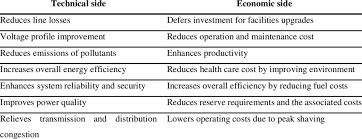
- Improved reliability: By distributing energy production across various locations, we can reduce the reliance on a single point of failure and improve overall system resilience.
- Increased flexibility: Distributed generation systems can be designed to operate in parallel with traditional power plants, allowing for more efficient use of resources.
- Enhanced customer control: With distributed generation, customers have more control over their energy usage and can choose to generate electricity locally.
- Reduced infrastructure costs: By reducing the need for high-voltage transmission lines and substations, we can lower infrastructure costs associated with centralized power plants.
Challenges and Limitations
While distributed generation offers many benefits, it also presents some challenges and limitations. For example:
- Higher upfront costs: Building out a decentralized energy system requires significant investment in infrastructure.
- Increased complexity: Managing multiple smaller-scale generators can be more complex than managing a single large-scale power plant.
- Grid integration issues: Integrating distributed generation systems into the existing grid can be challenging, requiring specialized technologies and expertise.
Conclusion
Distributed generation is an exciting approach to energy production that offers numerous benefits. By leveraging smart grids, decentralized infrastructure, and innovative technologies, we can create a more efficient, reliable, and customer-centric energy system. As we continue to evolve in this space, it’s essential to address the challenges and limitations associated with distributed generation.
Frequently Asked Questions (FAQs)
- What is the difference between distributed generation and centralized generation?
Distributed generation refers to the production of electricity in smaller units, scattered across various locations, and connected directly to the distribution grid. Centralized generation, on the other hand, involves large-scale power plants that serve a broader area. - How does smart grid technology enable distributed generation?
Smart grids provide real-time monitoring and management capabilities for energy distribution across various nodes, enabling more efficient use of resources and reduced energy losses. - What are some common types of devices used in distributed generation systems?
These can include wind turbines, solar panels, small hydroelectric generators, and bioenergy conversion systems. - Can distributed generation systems operate independently without grid connection?
While possible, this approach is typically limited to small-scale energy production and may not be economically viable for larger installations. - Are there any government incentives or regulations supporting the adoption of distributed generation systems?
Yes, many governments offer incentives such as tax credits, grants, and low-interest loans to encourage the development and deployment of decentralized energy solutions.
Real-World Examples of Distributed Generation
- Community Solar Programs: Many states have implemented community solar programs that allow multiple individuals or organizations to share the benefits of a single solar array.
- Wind Co-ops: Wind co-operatives are member-owned businesses that pool resources and expertise to develop and operate wind farms.
- Solar Crowdsourcing Platforms: Some companies use crowdsourced funding models to support the development of small-scale solar projects.
Case Study: The success of a Community Solar Program
In Minnesota, USA, the “MN Renewable Energy Credit” program allows residential customers to invest in community solar programs and receive credit on their electricity bills. By investing in these programs, residents can offset their energy costs while supporting local renewable energy development.
Future of Distributed Generation: Emerging Trends and Technologies
As we continue to evolve and innovate in the field of distributed generation, some key emerging trends and technologies include:
- Artificial Intelligence (AI) for Smart Grids: AI is being used to optimize smart grid operations, predict energy demand, and detect anomalies.
- Internet of Things (IoT) Devices: IoT devices are being integrated into distributed generation systems to enhance monitoring and control capabilities.
- Blockchain Technology: Blockchain technology has the potential to transform the way we manage and trade energy assets.
Conclusion
Distributed generation is an exciting and rapidly evolving field that offers numerous benefits for individuals, businesses, and communities. As we continue to innovate and improve this approach to energy production, it’s essential to address the challenges and limitations associated with distributed generation while leveraging emerging trends and technologies to create a more efficient, reliable, and customer-centric energy system.
The Future of Distributed Generation: A Visionary Perspective
By 2050, it’s likely that distributed generation will play an increasingly important role in shaping our energy landscape. As we look towards this future, some key scenarios and predictions include:
- Solar Energy Dominance: Solar energy is expected to become the primary source of electricity globally by 2050.
- Electrification of Transportation: Electric vehicles are likely to reach price parity with internal combustion engine vehicles by 2030.
- Increased Demand for Distributed Generation: As more communities adopt distributed generation systems, there will be a growing demand for decentralized energy infrastructure.
Conclusion
Distributed generation is an exciting and rapidly evolving field that offers numerous benefits for individuals, businesses, and communities. By addressing the challenges and limitations associated with this approach to energy production while leveraging emerging trends and technologies, we can create a more efficient, reliable, and customer-centric energy system.


