
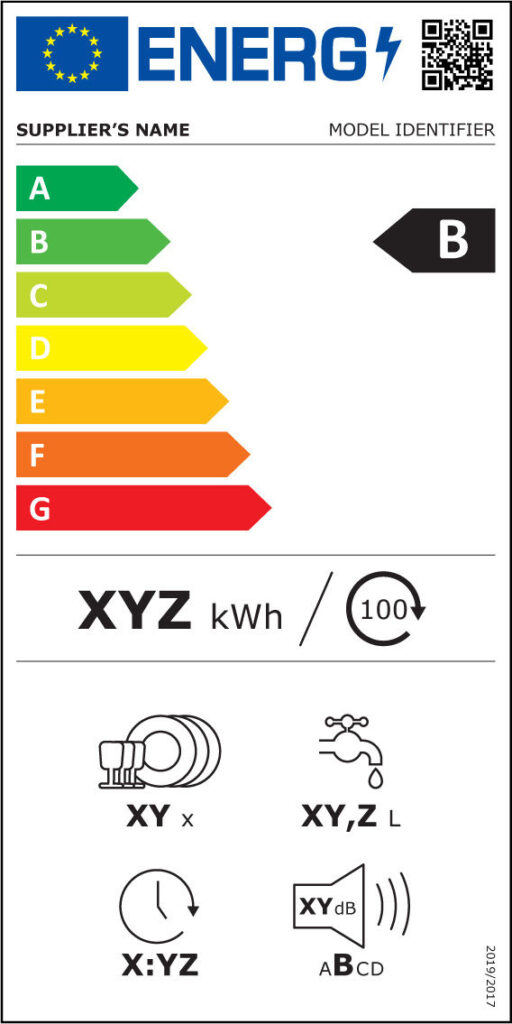
As a consumer, understanding the energy label on your dishwasher is crucial in making informed decisions about its efficiency and consumption. In this article, we will delve into the world of energy labels, exploring what they mean, how to read them, and provide tips for reducing your energy consumption.
Introduction to Energy Labels: A Brief History
The energy label on your dishwasher is a relatively recent innovation, introduced by the EU Regulation 1025/2009. This regulation aimed to reduce energy consumption in various household appliances, including dishwashers. Since then, manufacturers have worked to improve efficiency, and today’s dishwashers are more environmentally friendly than ever.
What Does the Energy Label Say?
The energy label on your dishwasher provides crucial information about its efficiency and performance. The label is divided into three main sections:
- Product Name and Code: This section displays the product name and code, making it easy to identify the specific model.
- Energy Class: The energy class indicates the level of energy efficiency, ranging from A+++ (most efficient) to D (least efficient).
- Consumption Indicators: Below the energy class, you’ll find indicators for consumption, including water usage, noise level, and capacity.
Understanding Energy Classes: A Guide
There are seven energy classes for dishwashers, each representing a different level of efficiency:
- A+++ (most efficient)
- A++
- A+
- A
- B
- C
- D (least efficient)
Each class represents a specific consumption rate. For example, an A+++-rated dishwasher consumes less than 237 kWh per year.
Water Consumption: More Than Just a Number
While the energy label provides information on water usage, it’s essential to understand that this is not always representative of actual consumption. Water usage can vary significantly depending on factors such as:
- Cycle type (standard, economy, or intensive)
- Load size
- Detergent quality
Noise Level: Don’t Ignore the Decibel Rating
The energy label also includes a noise level indicator, expressed in decibels (dB). While this may not seem crucial for everyday use, it’s essential to consider when choosing a dishwasher. A lower dB rating indicates less noise, making it ideal for homes with shared walls or sensitive ears.
Tips for Reducing Energy Consumption
To make the most of your dishwasher, follow these tips:
- Use the energy-saving mode (eco cycle)
- Choose the right detergent for your needs
- Load the dishwasher correctly to maximize capacity and efficiency
By understanding the energy label on your dishwasher, you can make informed decisions about its performance and reduce your energy consumption. Remember, every small step counts, and by making these changes, you’ll contribute to a more sustainable future.
Frequently Asked Questions (FAQs)
Q: What is the most efficient energy class for dishwashers?
A: The A+++ energy class represents the most efficient level of energy consumption in dishwashers.
Q: How often should I clean my dishwasher filter?
A: Clean your dishwasher filter after every 1-2 months of use to ensure optimal performance and efficiency.
Q: Can I use a standard detergent with my dishwasher?
A: Yes, but using an eco-friendly or specifically designed dishwasher detergent can help reduce energy consumption and environmental impact.
Q: How do I know if my dishwasher is working efficiently?
A: Check the energy label for the energy class rating. If your dishwasher has a lower rating than expected, consider upgrading to a more efficient model.
Q: Can I use hot water with my dishwasher?
A: While it’s not necessary, using hot water can increase energy consumption and environmental impact. However, some models are designed specifically for hot water use.
Q: How often should I run a full cycle on my dishwasher?
A: Run a full cycle every 1-2 weeks to maintain optimal performance and cleanliness.
Q: Can I leave my dishwasher running continuously?
A: No, it’s not recommended to leave your dishwasher running continuously. This can increase energy consumption and lead to unnecessary wear and tear on the appliance.
Q: How do I descale my dishwasher regularly?
A: Descale your dishwasher every 3-6 months using a gentle descaling solution to maintain optimal performance and prevent mineral buildup.
Q: Can I use a dishwasher with a high energy class rating for heavy-duty cleaning?
A: While some high-energy-class-rated dishwashers may be suitable for heavy-duty cleaning, it’s essential to check the manufacturer’s recommendations and ensure you’re not compromising on efficiency or environmental impact.


