
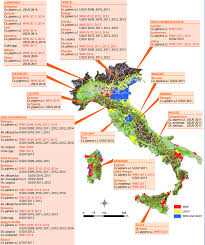
Understanding the Risks
As we enjoy our summer vacations, it’s essential to remember that mosquitoes are not just a nuisance; they can also transmit serious diseases that affect humans, animals, and even pets. In this article, we’ll delve into the world of mosquito-borne diseases in Italy, exploring their causes, symptoms, and prevention methods.
The Alarming Statistics
Over 700,000 people worldwide die each year from mosquito-borne illnesses. Mosquito-borne diseases are a significant public health concern, affecting not only tropical countries but also temperate regions like Italy. In fact, according to data from the World Health Organization (WHO), these diseases represent 17% of all infectious diseases.
Mosquito Types and Diseases
There are two primary mosquito types responsible for transmitting diseases in Italy: Anophele and Aedes tigre mosquitoes. Anophele mosquitoes transmit malaria, while Aedes tigre mosquitoes transmit Chikungunya and Dengue. In addition to these, Culex mosquitoes can transmit filariasis and viral encephalitis.
Anophele Mosquito-Borne Diseases
The Anophele mosquito is responsible for transmitting malaria. This disease was first identified by an Italian scientist, Giovanni Battista Grassi, after Sir Ronald Ross discovered a connection between the insects and the disease.
While most infections and deaths from malaria caused by Anophele mosquitoes occur in Africa and India, cases can also be found worldwide. In 2018, the World Malaria Report reported 200 million cases with approximately 435,000 deaths, mostly children under five years old. Although there are no current cases of malaria in Italy, it’s essential to stay vigilant and monitor the situation.
Aedes Tigre Mosquito-Borne Diseases
The Aedes tigre mosquito is known for transmitting Chikungunya and Dengue. These diseases can manifest in two distinct forms: classic and hemorrhagic fever. The first form is a tropical disease with its virus present in Africa, Southeast Asia, India, and the Indian Ocean area.
Mosquito-Borne Diseases Affecting Dogs and Cats
In addition to humans, dogs and cats can also contract diseases from mosquitoes. Two common diseases affecting animals are filariasis and Leishmaniasis.
- Filariasis: This disease is widespread in Mediterranean countries, Lake Garda, and Pianura Padana regions. Symptoms include respiratory problems, coughing, vasculature blockage, and weakness.
- Leishmaniasis: This disease can cause skin changes, apathy, diarrhea, vomiting, and lymph node swelling.
Symptoms of Mosquito-Borne Diseases
Let’s focus on symptoms of Chikungunya and Dengue, as those of Malaria are well-known.
Chikungunya
Chikungunya causes high fever, headache, fatigue, and especially painful joint pain. These symptoms can seem like flu-like symptoms but may also appear skin manifestations sometimes pruriginous.
Dengue
Dengue has two forms: classic and hemorrhagic fever. The classic form presents with different symptoms depending on age, while the hemorrhagic fever form manifests in two phases:
- Fever with loss of appetite: Mild gastrointestinal and respiratory problems
- Weakening phase: Paleness, cyanosis, decreased blood pressure, rapid and weak pulse, and skin eruptions
Prevention and Protection
To protect yourself from mosquito-borne diseases, take the following precautions:
- Use insect repellents containing DEET, picaridin, or oil of lemon eucalyptus
- Wear protective clothing like long-sleeved shirts, pants, and socks
- Stay indoors during peak mosquito hours
- Eliminate standing water around your home to prevent mosquito breeding
Conclusion
Mosquito-borne diseases in Italy are a growing concern that requires our attention. By understanding the risks, symptoms, and prevention methods, we can take necessary steps to protect ourselves and our loved ones from these serious diseases.
Frequently Asked Questions (FAQs)
Q: Are mosquito-borne diseases common in Italy?
A: While there are no current cases of malaria in Italy, cases of other diseases transmitted by mosquitoes can occur. It’s essential to stay vigilant and monitor the situation.
Q: How do I prevent mosquito bites?
A: Use insect repellents containing DEET, picaridin, or oil of lemon eucalyptus, wear protective clothing, and stay indoors during peak mosquito hours.
Q: Can dogs and cats contract diseases from mosquitoes?
A: Yes, dogs and cats can contract diseases like filariasis and Leishmaniasis from mosquitoes. It’s essential to protect them from mosquito bites and follow prophylactic medication with special deworming pills.
Q: What are the symptoms of Chikungunya and Dengue?
A: Chikungunya causes high fever, headache, fatigue, and painful joint pain. Dengue has two forms: classic and hemorrhagic fever, manifesting in different phases with distinct symptoms.
Q: Can I travel to areas where mosquitoes transmit diseases without taking precautions?
A: While it’s possible to travel to these areas, it’s highly recommended to take necessary precautions like using insect repellents, wearing protective clothing, and staying indoors during peak mosquito hours.
Prevention of Disease Transmission from Mosquitoes
To further prevent the spread of diseases from mosquitoes, here are some additional tips:
- Install window screens: Installing window screens on all windows and doors will help keep mosquitoes out.
- Use air conditioning: Mosquitoes have a hard time flying in cooler temperatures, so using air conditioning can be an effective way to reduce the number of mosquitoes around your home.
- Eliminate standing water: Standing water is where mosquitoes breed, so eliminating it by regularly checking and cleaning your home’s exterior will help prevent their population from growing.
Disease Prevention through Personal Protective Measures
Personal protective measures can also play a significant role in preventing the spread of diseases caused by mosquitoes. Here are some personal protective measures you can take:
- Use insect repellents: Insect repellents containing DEET, picaridin, or oil of lemon eucalyptus can help prevent mosquito bites.
- Wear protective clothing: Wearing long-sleeved shirts, pants, and socks can provide additional protection against mosquito bites.
- Stay indoors during peak mosquito hours: Mosquitoes are most active during dawn and dusk, so staying indoors during these times can reduce the risk of getting bitten.
Conclusion
In conclusion, mosquito-borne diseases in Italy are a growing concern that requires our attention. By understanding the risks, symptoms, and prevention methods, we can take necessary steps to protect ourselves and our loved ones from these serious diseases. By working together, we can prevent the spread of diseases caused by mosquitoes and ensure a healthier community for everyone.
Frequently Asked Questions (FAQs)
Q: What is the most effective way to prevent mosquito-borne diseases?
A: The most effective way to prevent mosquito-borne diseases is through a combination of personal protective measures, such as using insect repellents and wearing protective clothing, and environmental modifications, like eliminating standing water around your home.
Q: Can dogs and cats get infected with mosquitoes if they go outside?
A: Yes, dogs and cats can get infected with mosquitoes if they go outside. It’s essential to take steps to protect them from mosquito bites, such as using insect repellents and wearing protective clothing.
Q: How often should I check my home for standing water?
A: You should regularly check your home’s exterior for standing water and eliminate it to prevent mosquito breeding.
Q: Can I use DEET on my dog?
A: It is not recommended to use DEET on dogs. Instead, you can use other insect repellents specifically designed for pets.
Q: How long does the protection of personal protective measures last?
A: The protection provided by personal protective measures like using insect repellents and wearing protective clothing typically lasts for several hours, depending on the type of repellent used and individual factors such as skin type and activity level.


