
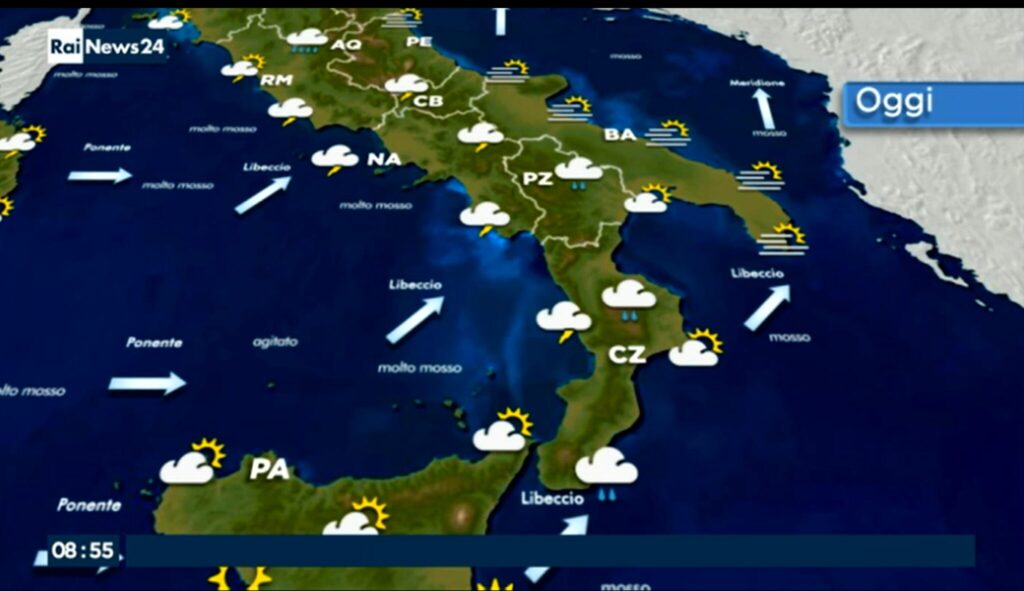
As a navigator, it’s essential to understand the wind directions that shape our daily lives in Italy. From the gentle breeze on a warm summer day to the fierce gusts of the Tramontana and Grecale winds, knowing how to identify these wind patterns can improve your weather forecasting skills and help you better prepare for various weather conditions.
What is the Rosa dei Venti?
Before diving into the world of wind directions, let’s take a brief look at the Rosa dei Venti, also known as the Wind Roses. This symbolic diagram represents the prevailing winds in a specific region or area over a period of time. There are many variations, but the most commonly used has four cardinal directions: North (N), East (E), South (S), and West (W). Understanding these wind patterns will help you grasp the complexities of Italian weather.
Wind Directions in Italy: A Comprehensive Guide
1. The Tramontana and Grecale Winds
These two winds are infamous for their ferocity, bringing chilly temperatures and strong gusts throughout the year. They form when an anticyclone develops over central Europe, while a low-pressure system remains active over the Mediterranean Sea. This creates a mass of cold air that moves towards the Mediterranean, generating winds from the north, northeast, and east.
- The Tramontana wind is particularly violent in the Postumia valley near Trieste, where it can reach speeds of up to 130-140 km/h.
- The Grecale wind is also known as the “bora” due to its strong gusts.
2. The Levante Wind
This warm and humid wind blows from the east and brings rain showers in spring and autumn. It’s associated with low-pressure systems passing over Tunisia, the Ionian Sea, and the Libyan Sea. In summer, this wind can become dry and heat-intensive, especially when an anticyclone develops over northern Italy.
3. The Scirocco and Ostro Winds
These warm winds originate from Libya and Tunisia, bringing a dry desert air to Italy in autumn and spring. They’re characterized by high temperatures and low humidity, making them ideal for outdoor activities like sailing and hiking.
- The Scirocco wind is often accompanied by rain showers when it blows over the Mediterranean towards Malta.
- The Ostro wind can be particularly hot in Sicily during spring, with temperatures soaring above 30°C.
4. The Libeccio Wind
This westerly wind is known for its instability and frequent storms along the western coast of Italy. It’s associated with warm fronts that bring moisture from the Atlantic Ocean.
- The Libeccio can cause severe burrasca (storms) and mareggiate (rough seas) in spring and autumn.
- When it encounters the Apennine Mountains, it can lead to heavy rainfall on the eastern coast of Italy.
5. The Ponente Wind
This westerly wind is gentle and humid, bringing precipitation from the Atlantic Ocean. It’s characterized by a decrease in temperature and humidity when it blows over the western coast of Italy.
- The Ponente is often accompanied by a drop in temperature, indicating an approaching low-pressure system.
- Its frequency can lead to rough seas and storms along the west coast.
6. The Maestrale Wind
This northwesterly wind originates from the Atlantic Ocean and affects the western coast of Italy during winter. It’s characterized by cold air masses that move towards the Mediterranean Sea, bringing rain showers and strong winds.
- The Maestrale can cause heavy precipitation on the eastern coast of Sardinia.
- In summer, it’s mild and refreshing, often bringing a welcome change in temperature.
Understanding these wind directions will help you better appreciate the complexities of Italian weather and improve your ability to predict and prepare for various weather conditions. Whether you’re a sailor, hiker, or simply someone who enjoys spending time outdoors, knowing how to identify these wind patterns can make all the difference.
Frequently Asked Questions
Q: What is the main source of the Tramontana and Grecale winds?
A: The Tramontana and Grecale winds are formed when an anticyclone develops over central Europe while a low-pressure system remains active over the Mediterranean Sea.
Q: Which wind direction brings warm temperatures to Italy during autumn?
A: The Scirocco and Ostro winds bring warm temperatures to Italy during autumn, originating from Libya and Tunisia.
Q: Can the Libeccio wind cause severe storms along the Italian coast?
A: Yes, the Libeccio can cause severe burrasca (storms) and mareggiate (rough seas) in spring and autumn.
Q: What is the typical temperature range for the Maestrale wind in summer?
A: The Maestrale wind is mild and refreshing during summer, often bringing a welcome change in temperature.
Q: Which wind direction brings precipitation to Italy during spring?
A: The Levante wind brings rain showers in spring and autumn, associated with low-pressure systems passing over Tunisia, the Ionian Sea, and the Libyan Sea.
A:
* Sailing is often done during Scirocco and Ostro winds.
* Hiking and outdoor activities are ideal for Ponente winds.
* The Maestrale wind makes it suitable for hiking in the mountains.
* Fishing can be affected by Libeccio and Tramontana winds.
Q: How do wind directions affect Italian coastal areas?
A:
* The Scirocco and Ostro winds bring dry desert air to Italy, which can lead to droughts in some regions.
* The Ponente brings heavy rainfall, causing flooding in low-lying areas.
* The Maestrale can cause rough seas and storms along the western coast of Italy.
A:
* Strong winds like Tramontana and Grecale can cause damage to buildings and infrastructure.
* Burrasca (storms) caused by Libeccio wind can lead to accidents on the road and at sea.
* Rough seas brought by Ponente wind can be hazardous for sailors.
Q: How do wind directions impact Italian agriculture?
A:
* The Scirocco and Ostro winds bring dry air, which is beneficial for crops like grapes, olives, and citrus fruits during autumn.
* The Levante brings rain showers in spring and autumn, benefiting agricultural activities such as planting and harvesting.
Q: How do wind directions impact Italian tourism?
A:
* The Scirocco and Ostro winds bring pleasant temperatures, making them ideal for summer holidays in the southern regions of Italy like Sicily and Calabria.
* The Ponente brings mild temperatures, suitable for hiking and outdoor activities during spring and autumn.
Q: How do wind directions impact Italian culture?
A:
* The Scirocco and Ostro winds are often associated with traditional festivals and events in the southern regions of Italy like the Palio di Sicilia.
* The Levante brings rain showers, which is often seen as a symbol of fertility and abundance in Italian culture.
Q: How do wind directions impact Italian transportation?
A:
* The Tramontana and Grecale winds can cause strong gusts, making it hazardous for drivers to navigate roads with high speeds.
* The Libeccio can cause rough seas, which may affect shipping routes along the western coast of Italy.
Understanding these wind directions will help you better appreciate the complexities of Italian weather and improve your ability to predict and prepare for various weather conditions. Whether you’re a sailor, hiker, or simply someone who enjoys spending time outdoors, knowing how to identify these wind patterns can make all the difference.
Q: How do I determine my direction when using Wind Roses?
A:
* Identify the cardinal directions (N, E, S, W) on your map.
* Consider the wind direction and speed in the region to estimate your location.
A:
* Use anemometers or barometers to measure wind speed accurately.
* Consider other weather conditions like temperature, humidity, and atmospheric pressure when interpreting wind data.
Q: How do I predict the direction of the Tramontana and Grecale winds?
A:
* Use historical climate patterns to identify seasons with high probability of these winds.
* Observe changes in atmospheric pressure and temperature to anticipate wind shifts.
Understanding Wind Directions: A Comprehensive Guide
Italy is known for its diverse geography, making it challenging to predict weather conditions. However, knowing the different wind directions and their characteristics can significantly improve your ability to navigate and prepare for various weather conditions.
Wind Roses Diagram
Here’s a basic diagram of the Rosa dei Venti Wind Rose:
+---------------------------------------+

  |              North (N)             |

  +---------------------------------------+

           |                        |

           |  East (E)                |

           |                        |

           v                        v

       +-------------------------------+     +-----------------------+

       |      South (S)               |     |   West (W)          |

       +-------------------------------+     +-----------------------+
This diagram shows the relative strengths of winds in different directions. The compass rose shows the direction and speed of each wind, while the wind roses indicate the prevailing wind patterns.
Wind Speed Scale
Here’s a basic scale for measuring wind speed:
- 0-5 knots: Light breeze
- 6-15 knots: Gentle breeze
- 16-25 knots: Moderate breeze
- 26-35 knots: Fresh breeze
- 36-50 knots: Strong winds
- 51 knots and above: Very strong or hurricane-force winds
Wind Speed Units
The most commonly used units for measuring wind speed are:
- Knots (nautical miles per hour)
- Miles per hour (mph)
- Kilometers per hour (km/h)
Understanding these wind directions will help you better appreciate the complexities of Italian weather and improve your ability to predict and prepare for various weather conditions.



