
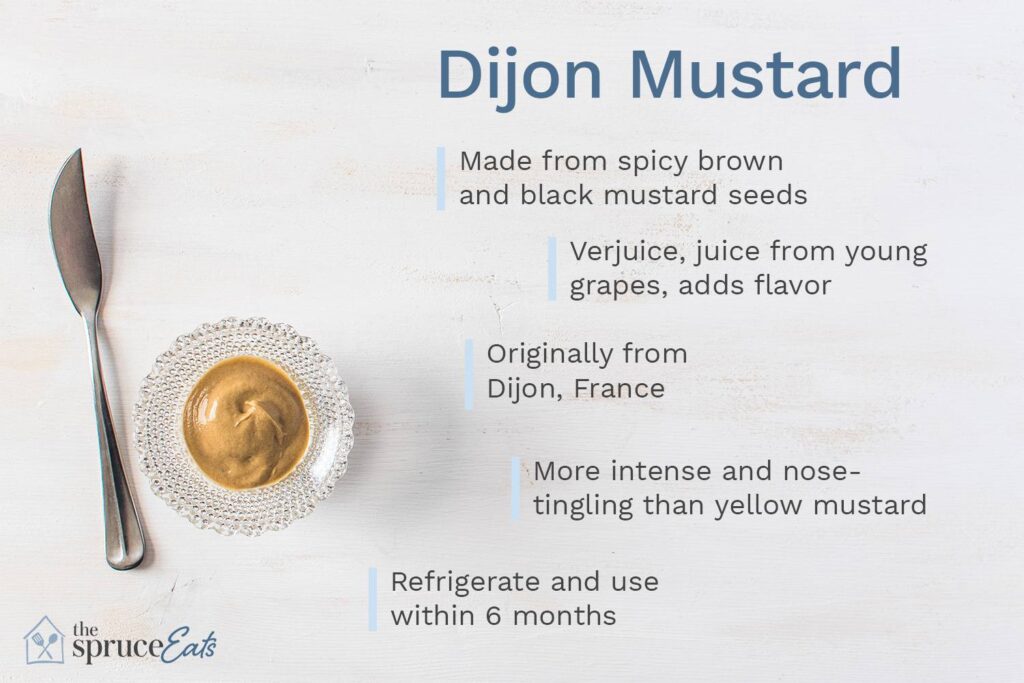
In the world of condiments, there’s one that stands out from the rest – Dijon mustard. This tangy, golden-hued spread has gained a cult following worldwide, but have you ever stopped to think about what really makes it special? Let’s dive into the fascinating history and production methods behind this beloved condiment.
What is Dijon Mustard?
Dijon mustard is a type of mustard that originated in the Burgundy region of France. It’s named after the city of Dijon, where it was first produced in the 17th century. This particular variety of mustard is known for its distinctive flavor and aroma, which is achieved through a careful balance of ingredients.
The History of Dijon Mustard
Dijon mustard has a rich history that spans centuries. In the Middle Ages, the region of Burgundy was famous for its high-quality mustard, which was highly prized by royalty and nobility. The city of Dijon played a significant role in the development of this condiment, with its producers experimenting with different ingredients and techniques to create a unique flavor profile.
Fast forward to the 19th century, when Jean Naigeon, a local merchant from Dijon, made a groundbreaking modification to the traditional recipe. His innovation involved using a specific type of mustard seed, which gave the final product a distinctive tanginess.
What Makes Dijon Mustard Different?
So, what sets Dijon mustard apart from other types of mustard? For starters, it’s made with high-quality ingredients, including:
- Mustard seeds: Specifically, the “Brassica juncea” variety, which is prized for its rich flavor and aroma.
- White wine vinegar: This gives the mustard a tangy, slightly sweet taste.
- Salt: A pinch of salt enhances the flavors and adds depth to the final product.
- Water: To achieve the perfect consistency.
How to Make Dijon Mustard at Home
Want to try your hand at making authentic Dijon mustard? It’s surprisingly easy! Here’s a simple recipe to get you started:
Ingredients:
- 1/2 cup mustard seeds
- 1/4 cup white wine vinegar
- 1 tablespoon salt
- 2 tablespoons water
Instructions:
- Grind the mustard seeds into a fine paste using a spice grinder or mortar and pestle.
- In a small bowl, mix together the ground mustard seeds, white wine vinegar, and salt until well combined.
- Gradually add in the water, stirring constantly to achieve the perfect consistency.
Tips for Buying Dijon Mustard
Not all Dijon mustards are created equal. Here are some tips for buying authentic Dijon mustard:
- Look for products labeled as “Moutarde de Bourgogne” or “Dijon Mustard” with an IGP (Indication Géographique Protégée) designation.
- Check the ingredient list for high-quality mustard seeds and minimal added preservatives.
- Consider purchasing from local artisanal producers, who may offer unique flavor profiles and higher quality ingredients.
Frequently Asked Questions
Here are some common questions about Dijon mustard:
- What’s the difference between Dijon mustard and regular mustard?
- Dijon mustard has a more complex flavor profile due to its high-quality ingredients and traditional production methods.
- Can I make my own Dijon mustard at home?
- Yes! With just a few simple ingredients, you can create your own authentic Dijon mustard.
- Is all “Dijon” mustard the same?
- No – some products may be labeled as “Dijon” but don’t meet the high standards of traditional production methods.
Conclusion
Dijon mustard is more than just a condiment – it’s a symbol of tradition, quality, and culinary excellence. Whether you’re a seasoned foodie or just starting to explore the world of condiments, this tangy, golden-hued spread is sure to delight your taste buds. So go ahead, give Dijon mustard a try – your taste buds will thank you!
Variations and Substitutions
While traditional Dijon mustard is a classic, there are many variations and substitutions that can enhance its flavor profile. Here are some ideas:
- Whole-grain mustard: Use whole-grain mustard seeds for a coarser texture and more robust flavor.
- Spicy mustard: Add a pinch of cayenne pepper or red pepper flakes to give your Dijon mustard a spicy kick.
- Herby mustard: Mix in some chopped fresh herbs, such as parsley, dill, or tarragon, for a bright and refreshing flavor.
- Sweet mustard: Use honey or maple syrup to balance out the tanginess of the mustard seeds.
Dipping Sauces and Marinades
Dijon mustard is an excellent base for dipping sauces and marinades. Here are some ideas:
- Chimichurri sauce: Mix Dijon mustard with olive oil, parsley, oregano, garlic, and red pepper flakes for a classic Argentinean sauce.
- Barbecue sauce: Combine Dijon mustard with ketchup, brown sugar, apple cider vinegar, and Worcestershire sauce for a sweet and tangy BBQ sauce.
- Tahini sauce: Blend Dijon mustard with tahini paste, lemon juice, garlic, and water for a creamy and nutty dip.
Pairing Suggestions
Dijon mustard pairs well with a variety of foods, from meats to cheeses to vegetables. Here are some pairing suggestions:
- Grilled meats: Use Dijon mustard as a glaze or marinade for grilled meats, such as steak, chicken, or pork chops.
- Cheese platter: Serve Dijon mustard alongside a selection of artisanal cheeses, such as cheddar, brie, or gouda.
- Roasted vegetables: Drizzle Dijon mustard over roasted vegetables, such as Brussels sprouts or carrots, for added flavor and moisture.
Conclusion
In conclusion, Dijon mustard is a condiment that’s rich in history, quality, and culinary excellence. Whether you’re making your own at home or trying a new recipe, this tangy, golden-hued spread is sure to delight your taste buds. So go ahead, give Dijon mustard a try – your taste buds will thank you!


