
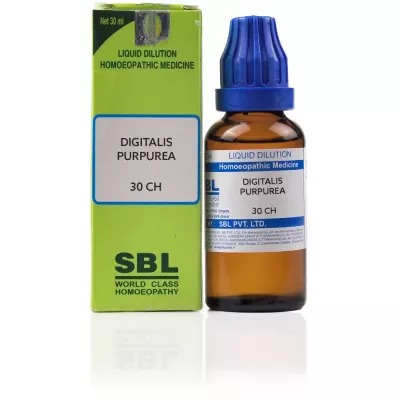
The Power of Digitalis Purpurea in Homeopathy
Understanding the Medicinal Properties of Digitalis Purpurea
Digitalis purpurea, commonly known as digitale, is a biennial or perennial herbaceous plant belonging to the Scrophulariaceae family. It shares the same family with the famous Bocca di Leone flower. The purpurea species is the most studied and recognized within the Digitalis genus, followed by less popular species like Digitalis lanata, Digitalis lutea, and Digitalis ferruginea.
Cultivation of Digitalis Purpurea
Digitalis purpurea prefers well-drained soils with a slightly acidic pH and rich organic matter. It grows wild in Central Europe forests where it can thrive spontaneously. The plant’s ability to grow in such conditions makes it an ideal choice for cultivation, especially in areas with poor soil quality.
Flowers and Fruits of Digitalis Purpurea
The flowers of Digitalis purpurea develop only in the second year of its life and are collected in clusters at the end of the stem. They have a pendulous shape and resemble a tube. The fruit is a small capsule acuminated that opens fully to release seeds when mature.
Leaves of Digitalis Purpurea
The leaves of the plant form a spiral, measuring 10-35 cm in length and 5-12 cm in width, with a gray-green color and curved towards the ground. In the first year, they form a dense rosette at ground level before flowering.
Using Digitalis Purpurea in Homeopathy
Today, like in the past, digitalis purpurea is used to prepare various natural remedies. However, it’s strongly advised not to self-medicate with this plant due to its toxicity.
The active ingredients found primarily in the leaves of Digitalis purpurea are cardioactive substances called cardenolides (digitoxin, gitoxin, gitalagin, and gitalic acid). Additionally, saponins (digitonoside, gitonoside, tigonoside…), etyrosides (digifoleina, diginoside…), and flavonoids (luteolin) are present in the leaves.
Precautions when Using Digitalis Purpurea
Digitalis purpurea can only be used under medical supervision or with the guidance of an omeopath. The plant’s principle active compounds must be obtained from a licensed pharmaceutical source or as part of an omeopatist-prescribed mother tincture.
Illicit Use of Digitalis Purpurea in Homeopathy and Herbalism
It is strictly forbidden to use digitalis purpurea in homeopathy, herbalism, and traditional medicine. Self-preparation and consumption can be hazardous due to its high toxicity and the difficulty in accurately determining proper dosages.
Foul-mouthed Self-Medicating with Digitalis Purpurea
Self-preparing remedies from the leaves of the plant, such as infusions, teas, or decoctions, are strongly discouraged because of their toxicity. The danger of poisoning is significant when consuming unregulated preparations.
Cardiovascular Properties of Digitalis Purpurea in Homeopathy and Medicine
In homeopathy and pharmacology, the cardiovascular properties of digitalis purpurea come into play. Its active compounds in the plant affect heart contraction (cardiotonic) and decrease its frequency (bradicardic effect), which helps to slow down but increase the strength of the heart beats.
The effects of digitalis on the cardiovascular system have been particularly beneficial for treating conditions such as cardiac insufficiency, fibrillation, or tachycardia. Nonetheless, dosages must be strictly prescribed and prepared by professionals only.
Diuretic Properties of Digitalis Purpurea
In addition to its cardiovascular properties, digitalis purpurea exhibits significant diuretic effects due to its ability to enhance plasmatic flow and glomerular filtration, facilitating urination.
Digitalis is used in homeopathy for treating congenital heart alterations. The use of the plant in preparing remedies must be strictly regulated by professionals only.
Precautions when Using Digitalis Purpurea
In summary, digitalis purpurea has several precautions due to its toxicity and high risk of poisoning if not handled and used correctly. Therefore, it’s strongly advised to consult with a licensed medical professional or an omeopath before using this plant in homeopathy.
Frequently Asked Questions (FAQs)
- Q: What is the primary purpose of Digitalis Purpurea in Homeopathy?
A: The main use of digitalis purpurea is to treat cardiovascular conditions by affecting heart contractions and decreasing its frequency. - Q: How can I get a genuine preparation from Digitalis Purpurea?
A: Only licensed professionals or those under their supervision can produce and provide authentic digitalis preparations, containing the plant’s principle active compounds. - Q: Is it safe to use digitalis purpurea without medical supervision?
A: No, due to its toxicity, self-use is strongly discouraged. - Q: Can I prepare my own remedies with Digitalis Purpurea?
A: We advise against self-preparation due to the potential for poisoning and lack of regulation in production processes. - Q: What are some common cardiovascular conditions treated by Digitalis Purpurea in Homeopathy?
A: The plant is used primarily in treating cardiac insufficiency, fibrillation, or tachycardia paroxysm. - Q: How do I ensure the quality and authenticity of a digitalis preparation?
A: To guarantee the quality and authenticity of your remedy, look for licensed medical professionals involved in production and purchase from authorized suppliers. - Q: Can Digitalis Purpurea be used as a natural alternative to pharmaceutical treatments?
A: While it can be used as part of treatment, digitalis preparations must always be produced under the supervision of a licensed medical professional.
Conclusion
In conclusion, while digitalis purpurea has been studied extensively for its medicinal properties and uses in homeopathy and traditional medicine, it’s crucial to acknowledge its toxicity and potential risks associated with self-preparation. Therefore, it’s essential to consult with a licensed medical professional or an omeopath before using this plant in any form.
References:
- De Simone, Anna (26 November 2016). Acera, Properties Therapeutic.
- Digitalis purpurea. In The New Holistic Herbal by David Hoffmann and Julia Hoffman (2004).
- The Complete Guide to Herbs and Spices for Natural Health by Nicholas Francis and Michael Poulston (1999).
Note: This article is intended to provide information on the medicinal properties of digitalis purpurea in homeopathy, but it’s not a substitute for professional medical advice. If you have any concerns about using digitalis purpurea or any other herbal remedy, please consult with a licensed healthcare professional.


