
Introduction
The digitalis plant, belonging to the genus Digitalis, is a group of herbs native to Europe. The name “digitalis” comes from the resemblance of its flowers to a digit (finger). This article aims to provide an overview of the characteristics and properties of the digitalis plant, highlighting its toxicity, uses in medicine, and cultivation.
Characteristics of Digitalis Plants
The digitalis genus comprises approximately twenty species, with some of the most well-known being:
- Digitalis ferruginea: also known as the “brown” or “iron” digitalis
- Digitalis grandiflora: known for its large, yellow flowers
- Digitalis lanata: a type of digitalis with hairy leaves and stems
- Digitalis lutea: a common species found in many parts of Europe
- Digitalis purpurea: the most widely used species in medicine and herbalism
The digitalis plants are known for their striking, bell-shaped flowers that bloom in shades of red, yellow, and white. These flowers are arranged in racemes at the end of stems.
Toxicity of Digitalis Plants
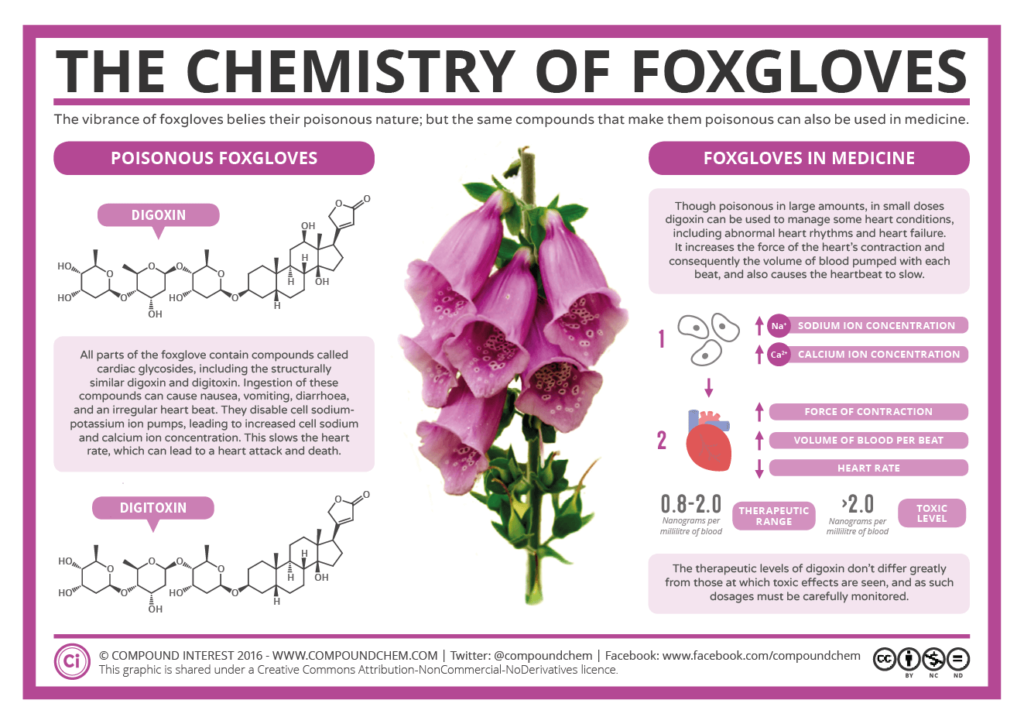
Digitalis plants contain a group of compounds called glycosides, which can be toxic if ingested or absorbed through the skin. The most well-known glycosides found in digitalis plants are:
- Digitoxin: also known as “digitalis”, this glycoside is responsible for the plant’s toxicity
- Lanatoside C: another glycoside found in digitalis plants, which can cause cardiac problems
While the glycosides in digitalis plants can be toxic, they can also be used medicinally to treat heart conditions. In fact, some studies have shown that the glycosides in digitalis plants can help lower blood pressure and improve heart function.
Cultivation of Digitalis Plants
Digitalis plants are relatively easy to cultivate, as they prefer well-drained soil and full sun. They can be grown indoors or outdoors, depending on the climate and desired level of toxicity.
Some important notes for cultivating digitalis plants:
- Toxicity: while digitalis plants can be toxic if ingested or absorbed through the skin, they are also a great source of medicinal compounds.
- Pests and diseases: like any plant, digitalis is susceptible to pests and diseases. Regular pruning and maintenance can help prevent these problems.
Uses in Medicine
Digitalis plants have been used medicinally for centuries, with some of the earliest recorded uses dating back to ancient Greece and Rome. Today, digitalis plants are still widely used in medicine to treat heart conditions such as:
- Atrial fibrillation: a type of irregular heartbeat that can increase the risk of stroke
- Heart failure: a condition where the heart is unable to pump enough blood to meet the body’s needs
The glycosides found in digitalis plants are believed to work by:
- Slowing the heart rate: reducing the number of times the heart beats per minute
- Increasing cardiac output: improving the amount of blood pumped by the heart
Conclusion
In conclusion, the digitalis plant is a fascinating species with unique characteristics and properties. While it can be toxic if ingested or absorbed through the skin, the glycosides found in digitalis plants are also highly medicinal and have been used for centuries to treat heart conditions.
As with any plant, proper cultivation and handling techniques are essential when working with digitalis plants. By understanding the risks and benefits of these amazing plants, we can harness their power while minimizing potential harm.
Frequently Asked Questions
- What is the most toxic part of the digitalis plant?
- Can I grow a digitalis plant indoors?
- How do I use digitalis plants medicinally?
- Are all species of digitalis plants safe to handle?
-
Can I take digitalis plants for granted?
-
What is the most toxic part of the digitalis plant?
The most toxic part of the digitalis plant is its glycosides, which can be found in the leaves, stems, and flowers. - Can I grow a digitalis plant indoors?
Yes, you can grow a digitalis plant indoors, but it will require regular pruning and maintenance to prevent pests and diseases. - How do I use digitalis plants medicinally?
Digitalis plants should only be used medicinally under the guidance of a healthcare professional, as they can have serious side effects if not used properly. - Are all species of digitalis plants safe to handle?
No, not all species of digitalis plants are safe to handle. Some species, such as digitalis ferruginea and digitalis grandiflora, contain higher levels of glycosides than others. - Can I take digitalis plants for granted?
Digitalis plants are highly toxic and should be handled with caution. They can also have serious side effects if not used properly, so it’s best to approach them with respect and care.
By understanding the risks and benefits of these amazing plants, we can harness their power while minimizing potential harm.


