
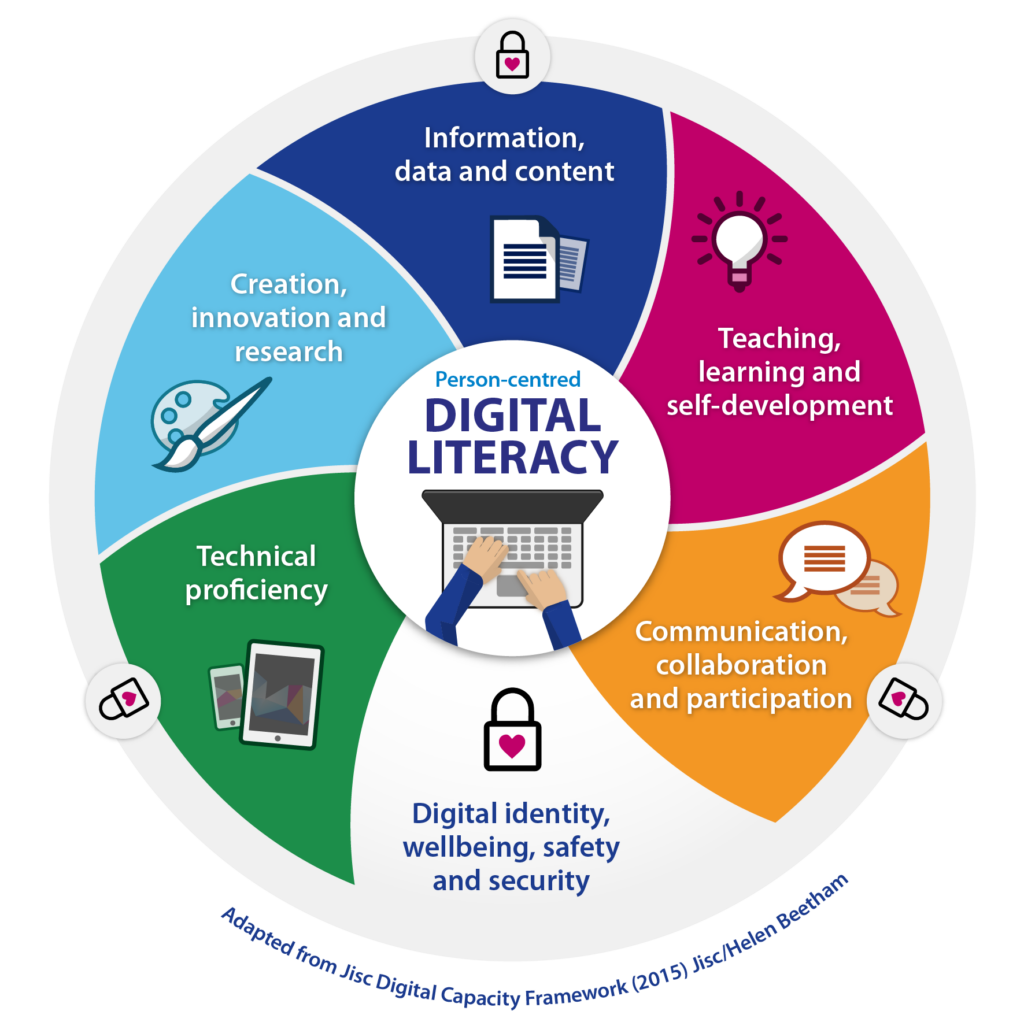
The technological readiness of an economy is one of the twelve pillars that support a country’s competitiveness. According to the Global Competitiveness Index 2012-2013, Italy ranks 40th out of 144 nations in terms of economic agility. Another parameter measured by the GDI is the level of absorption of new technologies by businesses. In this classification, Italy ranks 104th.
So, where’s the problem? We’re not exactly known for our willingness to learn and adopt new technology. But strategic use of digital solutions can lead to significant organizational changes and improved efficiency and productivity – two challenges we face as a nation.
Digital technologies are a powerful tool for growth, but it seems like we’re missing out: why? A survey conducted by Vanson Bourne on behalf of CA, a multinational IT company, reveals that 100% of IT executives in Italy believe that the lack of digital literacy among top management is an obstacle.
What does this mean? Sometimes, we can’t see beyond our noses. Despite top management demonstrating a familiarity with sophisticated technology tools, research shows that the ability to grasp the innovative potential of IT for business remains limited.
In this scenario, it’s no surprise that only 40% of IT professionals in Italian companies are called upon to participate in top management decisions and contribute to defining digital strategic thinking.
This isn’t good. The cultural lag of senior management compared to using technology strategically can have significant consequences on the business: missed opportunities, loss of market share against a more dynamic competitor, customer dissatisfaction, poor responsiveness to market demands, and an inadequate time-to-market.
So, what’s missing for top management to become interested in IT and convince senior executives to involve IT professionals in decision-making processes? The answer lies in building a more constructive digital culture that enables senior managers to identify, organize, understand, evaluate, and analyze information using new technologies.
The Challenges of Digital Literacy in Italy
As we explore the challenges of digital literacy in Italy, it’s clear that our economy is not yet leveraging technology to its full potential. We need to address this issue head-on and develop a more strategic approach to adopting digital solutions.
Why is Digital Literacy Important?
Digital literacy is crucial for businesses to stay competitive in today’s fast-paced market. It enables organizations to make informed decisions, improve efficiency, and increase productivity. However, if top management is not equipped with the necessary skills, we risk falling behind our competitors.
In today’s digital landscape, companies that fail to adapt to changing technologies and trends risk being left behind. The rapid pace of technological advancements requires businesses to be agile and responsive, which can only be achieved by having a skilled workforce.
The Role of Top Management in Adopting Digital Technologies
Top management plays a critical role in adopting digital technologies and leveraging their potential for business growth. However, research shows that senior executives often lack the necessary digital literacy to make informed decisions about technology adoption.
This is particularly concerning given the high stakes involved in making strategic IT decisions. A survey conducted by PwC found that 75% of CEOs believe that digital transformation will be crucial for their companies’ success over the next five years.
Building a More Constructive Digital Culture
To overcome this challenge, we need to build a more constructive digital culture that enables senior managers to understand the value of IT in driving business growth. This requires developing skills and knowledge in areas such as data analysis, digital marketing, and cybersecurity.
A constructive digital culture is one that encourages experimentation, innovation, and continuous learning. It involves fostering an environment where employees feel empowered to share their ideas and expertise, and where top management is seen as approachable and supportive of IT initiatives.
Examples of Successful Digital Transformation
There are many examples of successful digital transformation around the world. Companies like Google and Amazon have revolutionized their industries by embracing new technologies and leveraging their potential for business growth.
Google’s experience with cloud computing and artificial intelligence (AI) has been particularly noteworthy. By investing heavily in these areas, Google has been able to stay ahead of its competitors and maintain its position as a leader in the tech industry.
Conclusion
Digital literacy is crucial for Italy to stay competitive in today’s fast-paced market. However, we need to address the challenges of digital literacy head-on and develop a more strategic approach to adopting digital solutions. By building a more constructive digital culture and developing the necessary skills and knowledge, we can unlock the full potential of IT and drive business growth.
Frequently Asked Questions
- What is technological readiness?
Technological readiness refers to an economy’s ability to adopt existing technologies to improve productivity. - Why is digital literacy important for businesses?
Digital literacy is crucial for businesses to make informed decisions, improve efficiency, and increase productivity in today’s fast-paced market. - How can top management develop digital literacy?
Top management can develop digital literacy by participating in training programs, attending workshops, and staying up-to-date with the latest technology trends. - What are some examples of successful digital transformation?
Companies like Google and Amazon have successfully transformed their industries by embracing new technologies and leveraging their potential for business growth. - How can we build a more constructive digital culture in Italy?
We can build a more constructive digital culture in Italy by developing skills and knowledge in areas such as data analysis, digital marketing, and cybersecurity, and by promoting a culture of innovation and experimentation. - What are the consequences of not adopting digital technologies?
The consequences of not adopting digital technologies include missed opportunities, loss of market share, customer dissatisfaction, poor responsiveness to market demands, and an inadequate time-to-market. - How can we overcome the challenges of digital literacy in Italy?
We can overcome the challenges of digital literacy in Italy by developing a more strategic approach to adopting digital solutions, building a more constructive digital culture, and providing training and support for top management and IT professionals. - What is the future of digital literacy in Italy?
The future of digital literacy in Italy holds great promise. By developing skills and knowledge in areas such as data analysis, digital marketing, and cybersecurity, we can unlock the full potential of IT and drive business growth.
Recommendations for Implementing Digital Literacy in Italy
To address the challenges of digital literacy in Italy, we recommend the following steps:
- Develop a national digital literacy strategy that outlines clear goals, objectives, and timelines.
- Provide training and support for top management and IT professionals to develop their digital literacy skills.
- Promote a culture of innovation and experimentation within businesses.
- Encourage collaboration between industry leaders, government agencies, and educational institutions to share best practices and expertise.
- Develop partnerships with international organizations and companies to stay up-to-date with the latest technology trends and advancements.
By following these recommendations, we can unlock the full potential of IT and drive business growth in Italy. It’s time for us to take action and become a leader in the digital age.


